(with Google Search Ads + Amazon insight)
1. What’s Actually Happening in 2026 with Google Search Ads
Google’s ad platform is not what it used to be — and by 2026 it’s officially shifted into an AI-first world. Ads are no longer just text links at the top of search results; they’re being woven into AI answers, chat experiences, and personalized shopping interactions. (The Washington Post)
Here are the main changes you need to know as an advertiser in 2026:
AI-Driven Formats Are Mainstream
Google now places ads inside AI-generated results and conversational search experiences, not just in the traditional SERP. Deals, coupons, and tailored offers appear directly as users ask questions or refine their purchase intent. (金融时报)
“Search” Looks Very Different
Instead of typing short keywords, people are talking to search like they talk to a human. They ask broader, natural questions — so your ads need context-aware messaging and outcomes that match those conversational intents. (radigitalworld.com)
Automation and AI Targeting Are Core
Tools like AI Max are now central: they automate targeting, generate headlines and descriptions, and interpret intent signals beyond strict keywords. That means advertisers must focus on signal quality (good conversion data, accurate tracking) because AI will pick audiences for you. (Perfetto Marketing)
Performance Max and Cross-Channel Reach
PMax campaigns reach users not just on Search but also on YouTube, Discover, Gmail, and Shopping surfaces. You don’t launch one channel at a time — you build an omnichannel system that feeds Google’s AI better data. (radigitalworld.com)
Privacy and First-Party Data Matter More
Third-party cookies are fading, so collecting first-party signals (email lists, CRM, website behavior) isn’t optional. It’s how the AI learns about your audience. (sharpinnovations.com)
In short, Google ads in 2026 are intent-driven and AI-synthesized, not pure keyword auctions. Your campaigns succeed when they speak to what users want in natural language, feed clean data, and tell a compelling value story fast.
2. South America: What Parents Are Buying (From Amazon & Broader Trends)
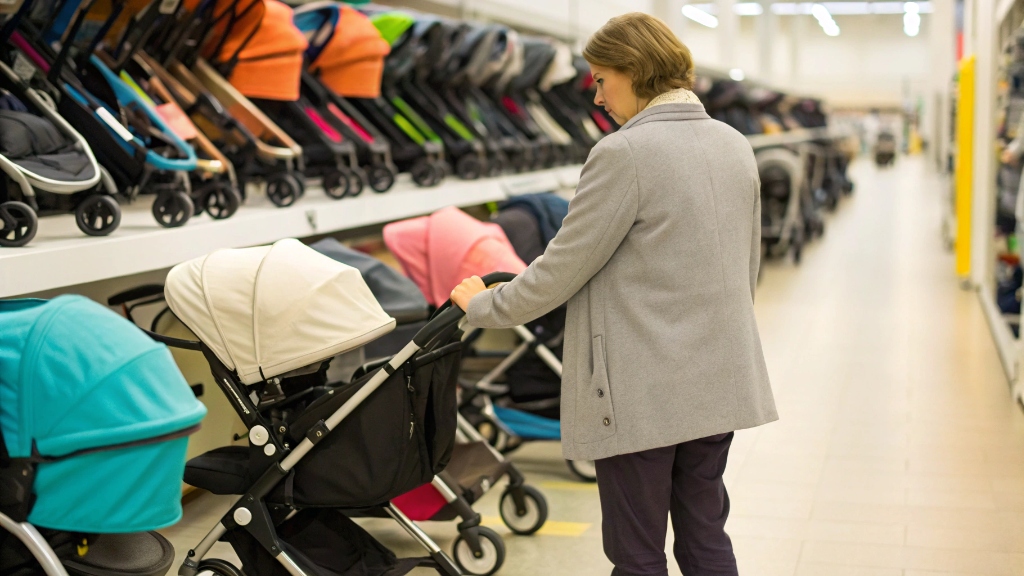
Looking at product data from Amazon and broader e-commerce behavior over the past year, South American parents are showing consistent preferences when it comes to baby strollers and high chairs:
Baby Strollers
Key buying patterns:
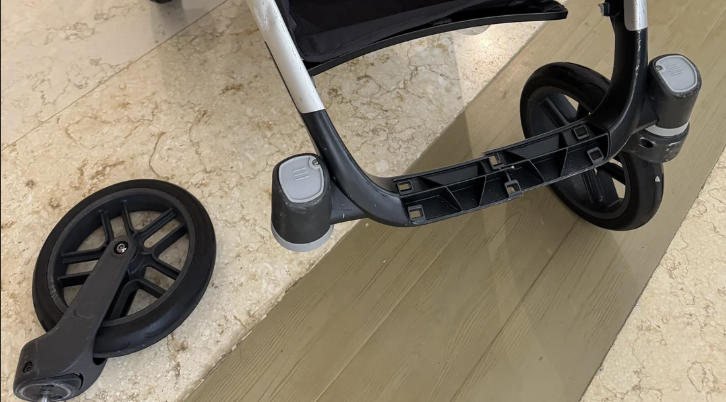
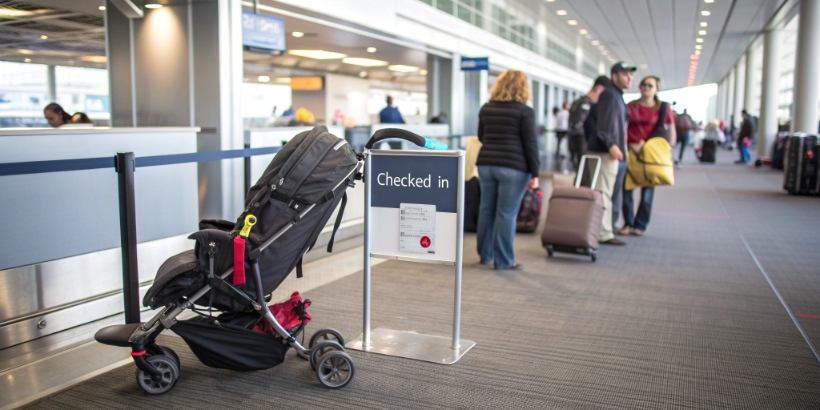
- Lightweight, easy-folding models are huge hits — parents in urban areas care about portability and public transport compatibility.
- All-terrain and robust designs are strong sellers in regions where streets and sidewalks vary in quality.
- Multi-purpose systems that convert to travel systems (car seat + stroller) are especially attractive because they reduce total spend.
This tells us buyers in LATAM aren’t just looking for cheap stuff — they want value for money combined with real usability.
High Chairs
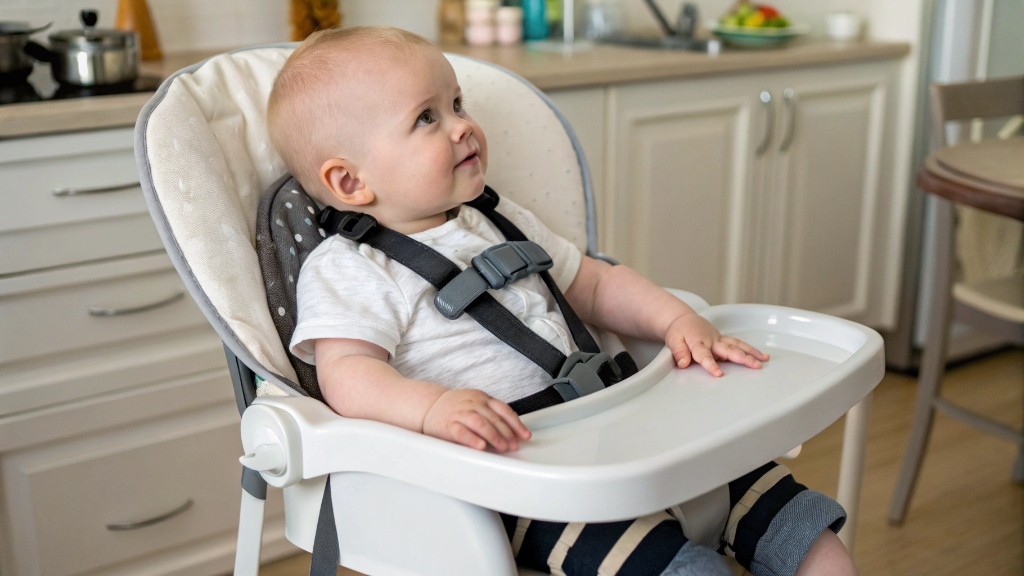
On Amazon and other platforms, the top high chairs share a few features:
- Easy to clean — detachable trays and materials that wipe down fast.
- Adjustable and long-lasting (can grow with the child).
- Safety first — strong harness systems and stable bases rank high in reviews.
Parents in Brazil, Argentina, and Chile are willing to pay a bit more if a product solves real frustration points like cleaning after meals or adapting as the kid gets older.
So the pattern is clear: buyers don’t chase bargain basement prices; they chase products that eliminate daily headaches.
3. What South American Shoppers Care About Most
From local behavior and Amazon trends, these are the core themes:
A. Convenience & Daily Use
Parents want stuff that fits their everyday routines — strollers easy to open/close with one hand, chairs they can scrub without stress.
B. Longevity
Products that “grow with the child” (multi-stage high chairs or modular stroller systems) get better ratings and repeat purchases.
C. Clear Safety Messaging
Videos, badges, and safety standards all help build trust in lower-awareness markets.
D. Visual Inspiration Helps More Than Specs
South American customers respond well to real usage images and videos — it makes them feel confident before buying.
4. 2026 Merchant Focus: What You Should Do
Now that you know the buying mindset and ad environment, here’s how to shape your strategy:
Product Level
- Simplify the decision: showcase what problem your product solves (e.g., “folds in seconds,” “one-hand recline,” “dishwasher-safe tray”).
- Offer bundle value: accessories like rain covers, storage bags, or feeding trays add perceived value.
- Local certifications and safety cues: highlight them everywhere.
Advertising & Messaging
Since Google 2026 search results are AI-generated and conversational:
- Speak in natural language: ads that answer real questions (“Is this stroller good for city buses?”) beat generic taglines.
- Use dynamic offers: coupons and discount codes that show up in AI Mode create impulse conversions. (Vogue)
- Feed high-quality data into campaigns: strong conversion tracking helps Google’s AI match to buyers earlier in their journey. (Perfetto Marketing)
Content Strategy
- Create video content and long-form answers about how to choose strollers and chairs, not just product pages.
- Tutorials on assembly, cleaning, safety checks — that attracts organic interest and helps AI generate relevant summaries.
Cross-Channel Presence
- Use Performance Max so your products appear in YouTube, Display, Gmail, and Shopping — not just Search. (radigitalworld.com)
- Integrate campaigns with social platforms (Instagram, TikTok) where parenting communities are active.
5. Wrap-Up: Where This Is All Going in 2026
Here’s the big picture you can take into 2026:
✔️ Search is now conversation-driven. People ask like humans, so your ads and content should answer like humans.
✔️ AI surfaces matter more than keywords. If your product shows up inside an AI summary with a relevant offer, you’re way ahead of the competition. (金融时报)
✔️ South American parents value convenience, durability, and safety over low price — so focus on strong messaging and real use-case content.
✔️ First-party data + product analytics = long-term ROI, not just short bursts of clicks.
In a nutshell: give Google’s AI what it needs to match intent signals, and give parents what they actually care about when they’re choosing baby gear. That’s how you win in 2026.