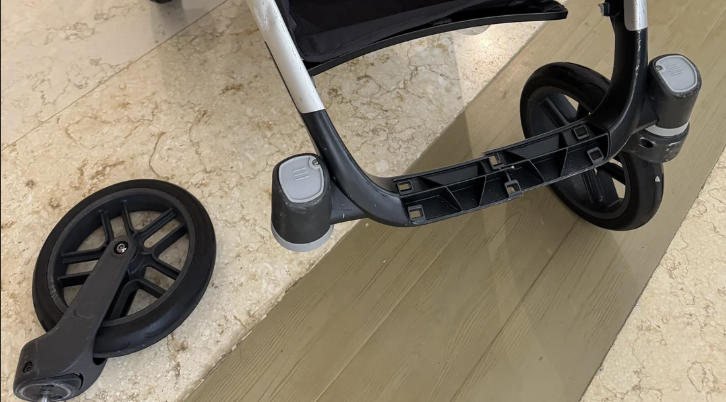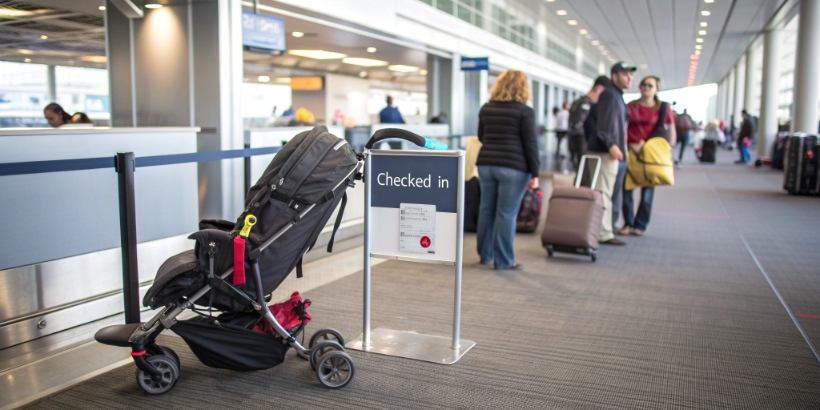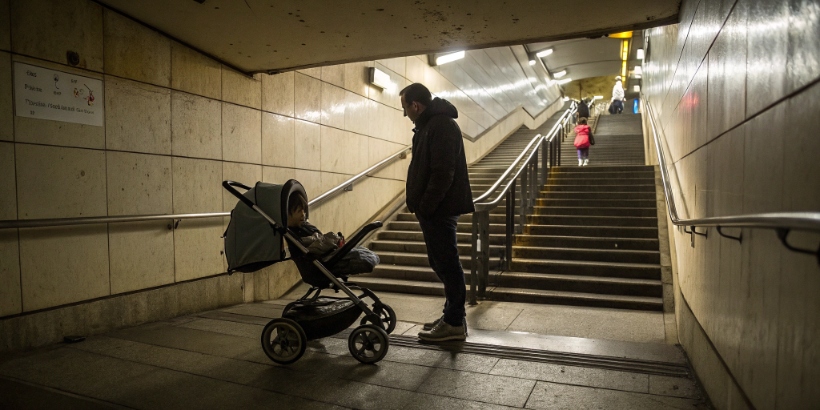
I still remember one order from a South American buyer who trusted a factory report too much. When the containers arrived, the stroller wheels failed. The customer called me in panic. Since then, I never skip a full inspection checklist.
The most important items in a stroller quality inspection checklist in 2026 are frame strength, folding safety, brake function, fabric safety, chemical compliance, and final assembly consistency. These items decide if the stroller can pass lab tests, customs checks, and real customer use.
How do I check stroller frame and structure quality?
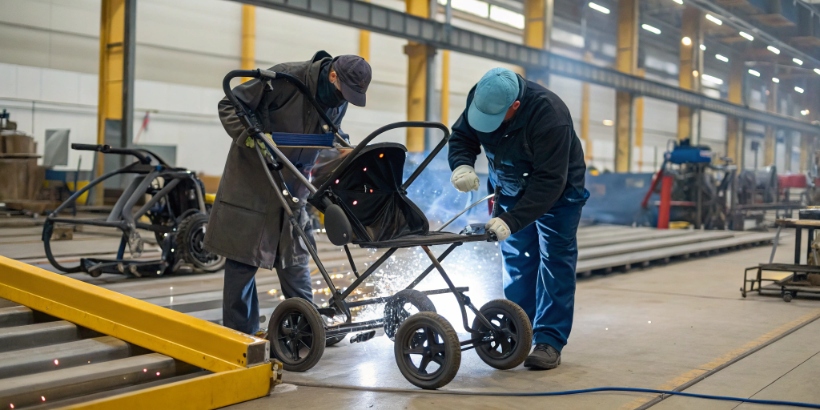
When I visit a stroller factory, I always go straight to the frame line first. The frame is the backbone of the product. If it is weak, nothing else matters. Many factories polish the surface well, but they do not tell you about the metal inside.
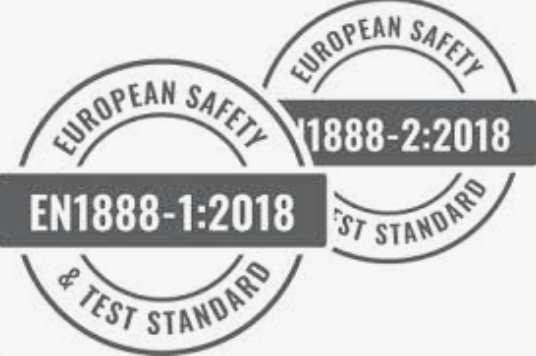
I always check the frame material, welding points, and load test results. I also ask for their EN1888 or ASTM test reports. Some factories only test once per year. That is not enough.
Here is how I normally compare factories:
| Item | Good Factory | Risky Factory |
|---|---|---|
| Tube thickness | Clearly documented | No records |
| Welding | Smooth and even | Rough or uneven |
| Static load test | Per batch or per model | One old report |
| Material traceability | Can show supplier | No idea where metal comes from |
I once rejected a batch because the tubes were 0.3 mm thinner than approved. The factory said it was small. But that small change could cause a failure in a tipping test. Buyers often do not see this unless someone checks it for them.
How should folding and locking systems be inspected?
Folding systems cause more accidents than most people think. I have seen fingers get trapped. I have seen strollers collapse under weight. Most of these problems come from poor locking design or weak springs.
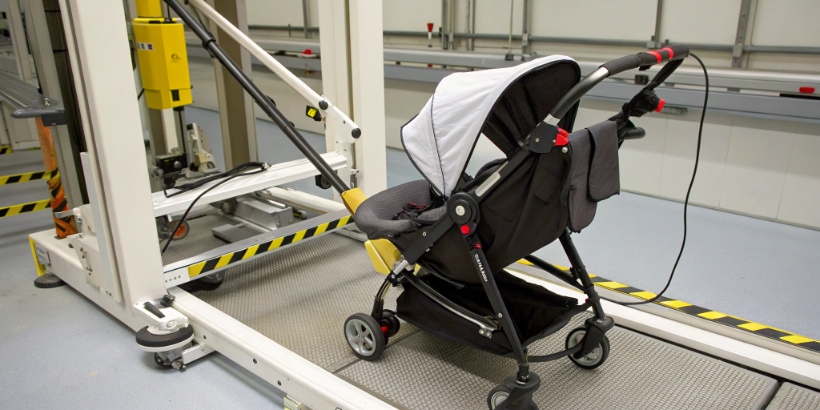
In my inspections, I always open and close a stroller at least 50 times. I listen to the sound. A good lock has a clean click. A bad one feels soft. I also push the stroller while locked. If there is movement, that is a red flag.
Buyers should ask factories for:
- Folding cycle test results
- Lock strength test
- Child finger entrapment test
Many small factories do not test this. They only copy designs. This is why recalls happen.
At Anhui Windmill, we always require factories to run folding tests before mass production. It helps us catch hidden problems before they become a shipment issue.
What brake and wheel checks are required in 2026?
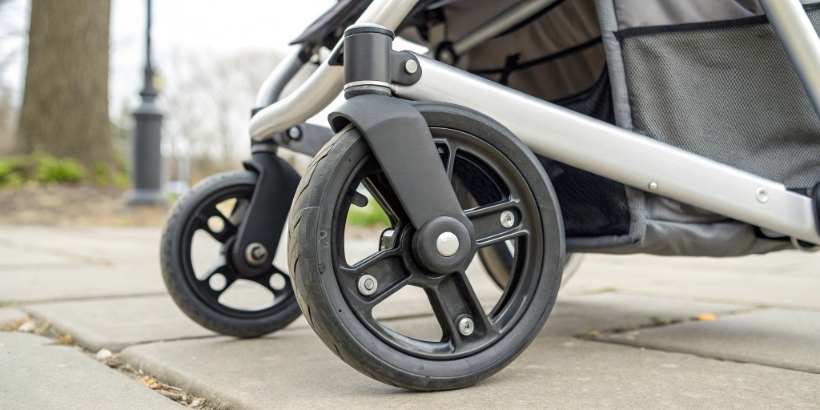
Wheels and brakes decide how safe a stroller feels in real life. In labs, they test braking force. In real streets, they test trust.
I always check:
- Brake engagement force
- Brake hold on slope
- Wheel rotation and bearing noise
- Wheel detachment risk
Here is a simple view of what I look for:
| Check | Why it matters |
|---|---|
| Brake force | Prevents rolling |
| Slope test | Shows real world safety |
| Wheel noise | Shows bearing quality |
| Axle tightness | Prevents wheel loss |
One time, a factory used cheaper bearings to save cost. The stroller passed lab tests. But after two weeks, wheels became noisy and stiff. The buyer blamed us. Since then, I always check wheel parts myself.
How do I control fabric and chemical safety?
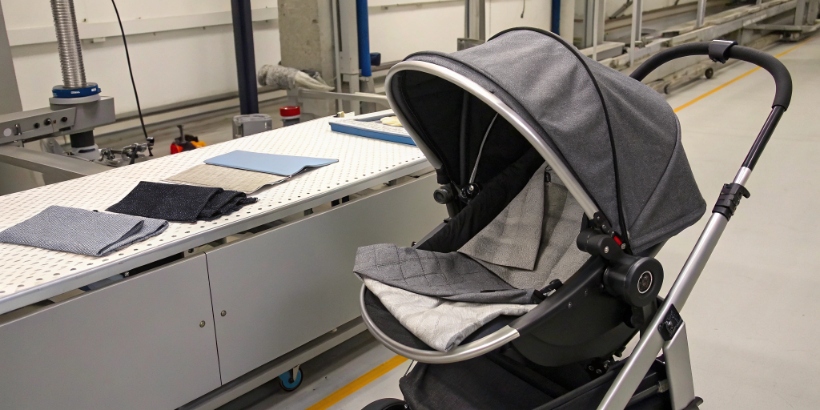
This is the part that scares importers the most. Fabric looks safe, but chemicals can block a shipment.
In 2026, I always check for:
- REACH compliance
- CPSIA limits
- Phthalates
- Heavy metals
- PFAS where required
I ask for fabric test reports per color and per material. Some factories only test one color. That is risky.
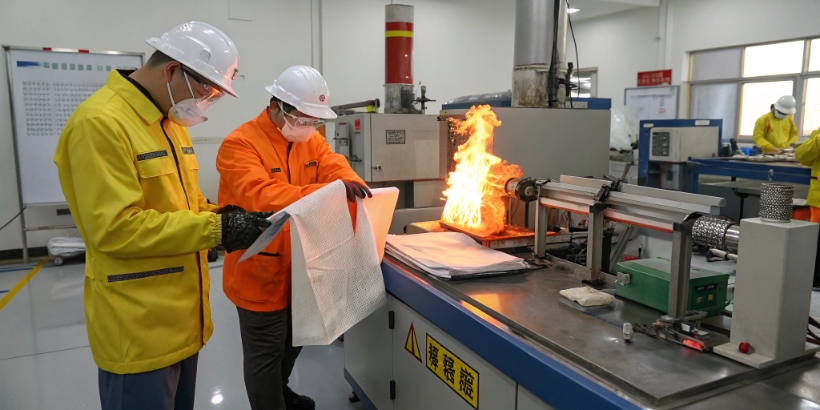
We also check flammability. Some cheap fabrics burn too fast. That can fail EN1888.
At Anhui Windmill, we only work with fabric suppliers that give full test traceability. It saves our buyers from customs holds and fines.
How do I inspect final assembly before shipment?
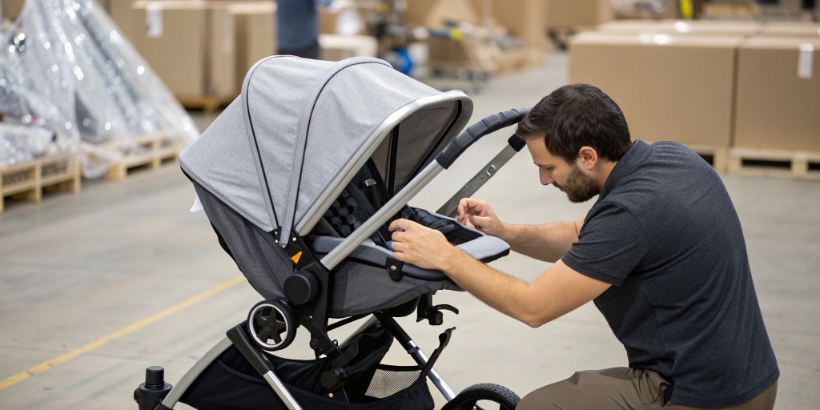
Final assembly is where good parts become a bad product if people rush.
I always check:
- Bolt torque
- Harness installation
- Seat alignment
- Label and warning accuracy
- Carton drop test
Many defects happen in the last 48 hours. Workers are tired. Supervisors push for shipment.
We usually send third party inspectors or use our own checklist at Anhui Windmill. This reduces claims and chargebacks for our buyers.
How we help buyers reduce these risks
We do not just sell strollers. We manage risk.
We work with more than 100 factories. Some have BSCI, Sedex, and EN1888 approvals. We audit them. We review their test reports. We check their production lines.
When buyers order through us, they do not have to fight alone with factories. We help with samples, inspections, compliance, and problem solving. That is why many buyers stay with us for years.
Conclusion
A good stroller checklist in 2026 is not about paper. It is about how well someone checks the real factory and the real product before shipment.