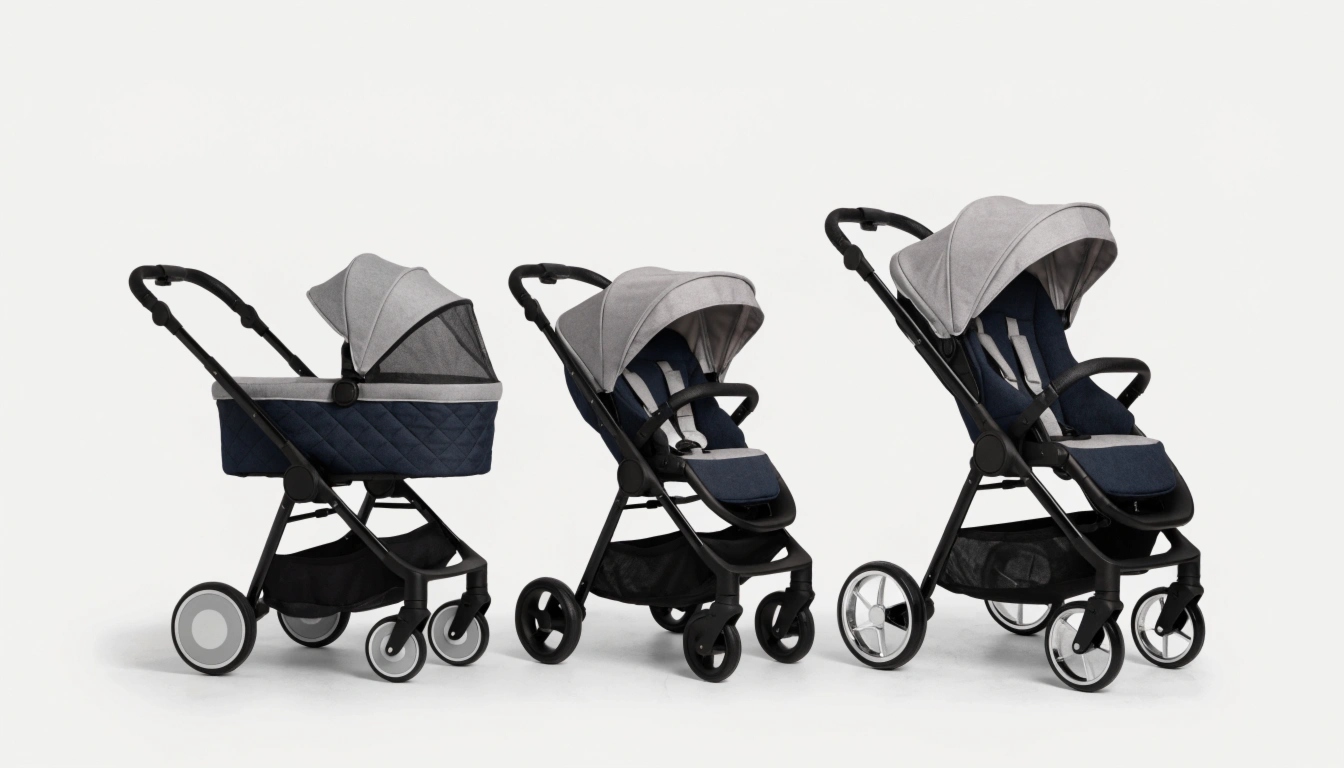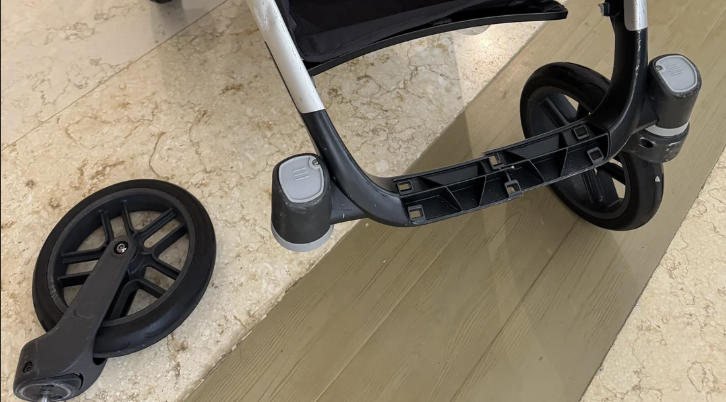
I still remember the first recall case I handled. The buyer called me late at night. A stroller passed lab tests, but customers reported wheel failures. That experience changed how I look at recalls forever.
Stroller recalls usually happen because of structural failure, folding and locking defects, brake problems, chemical safety issues, or missing warnings. Most recalls could be avoided with proper inspection and supplier control before shipment.
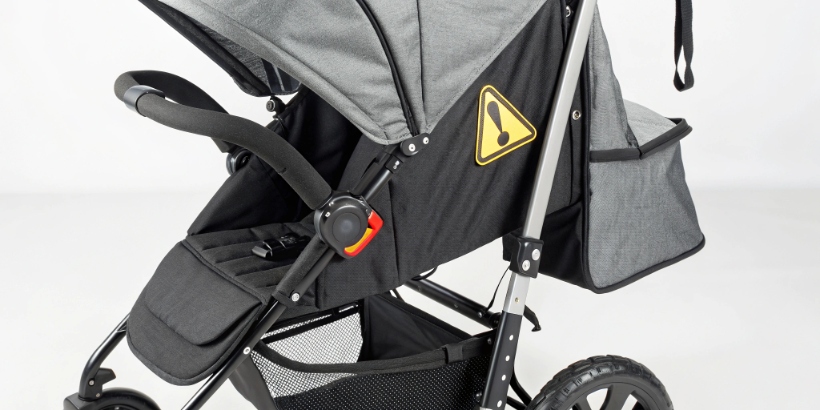
Why do structural failures cause stroller recalls?
Structural failure is one of the most common stroller recall reasons I see. Frames break, joints crack, or tubes bend under normal use. These problems often appear months after sale, not during factory tests.
In my experience, the root cause is almost always cost pressure. Some factories reduce tube thickness or change metal suppliers without notice. On paper, the stroller still looks the same. In real use, it is not.
When I evaluate a factory, I always check material traceability and welding quality. I also review whether load tests are done per batch or only once for certification.
Here is how structural risks usually compare:
| Risk Area | What I Often See |
|---|---|
| Tube thickness | Reduced to save cost |
| Welding points | Inconsistent quality |
| Load testing | Old or shared reports |
| Supplier control | No metal source record |
I once stopped a shipment because the frame tubes were thinner than the approved sample. The buyer was unhappy at first. Later, a similar model from another supplier was recalled. That decision saved a lot of trouble.
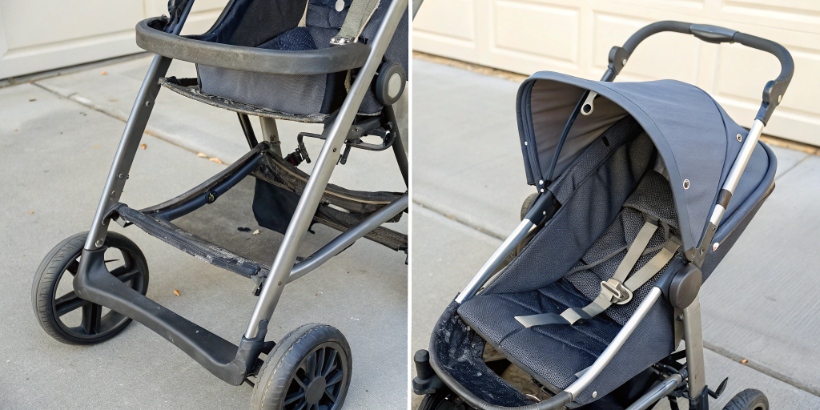
How do folding and locking defects lead to recalls?
Folding and locking systems cause serious safety risks. I have seen recalls because strollers collapsed during use or trapped a child’s fingers. These cases usually attract fast attention from regulators.
Factories often test folding only a few times. In real life, parents fold strollers hundreds of times. Weak springs, poor lock design, or worn plastic parts slowly fail.
During inspections, I personally open and close strollers many times. I listen to the sound and feel the resistance. A secure lock feels firm and clear. A risky one feels soft or loose.
Here are common folding-related recall triggers:
- Lock disengages during movement
- Secondary lock missing or weak
- Finger entrapment points
- Folding buttons break after repeated use
Many recalls could be avoided if buyers required folding cycle tests before mass production.
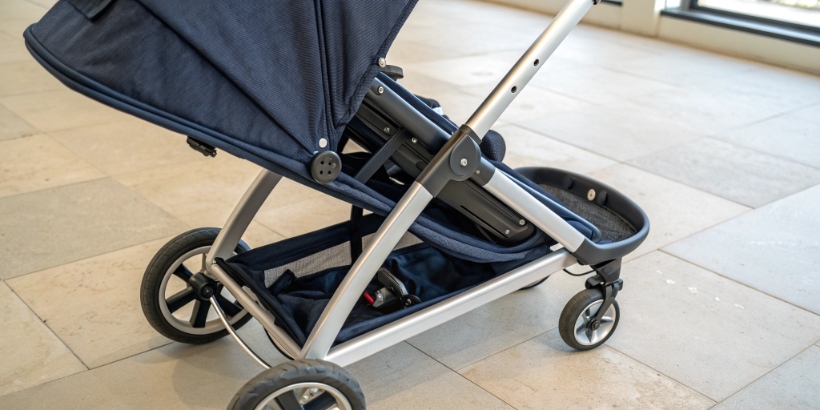
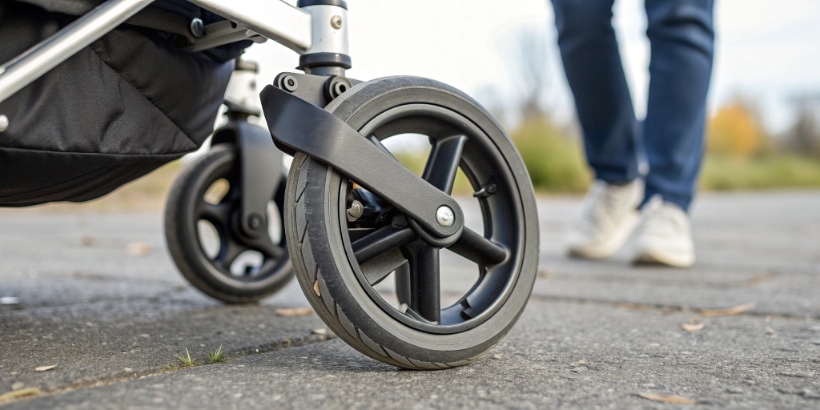
Why are wheels and brakes a major recall risk?
Wheels and brakes are tested in labs, but real streets are different. I have handled recall cases where wheels detached or brakes failed on slopes.
These problems usually come from poor component quality. Bearings, axles, and brake teeth are often downgraded to reduce cost. The stroller may pass initial tests but fail after weeks of use.
I always inspect wheel rotation, bearing noise, and brake engagement force. I also check how the brake performs on an incline.
Typical wheel and brake recall reasons include:
| Component | Recall Cause |
|---|---|
| Wheels | Detachment or cracking |
| Bearings | Seizing after use |
| Brakes | Cannot hold on slope |
| Axles | Loosening over time |
Once, a buyer trusted a factory’s brake test report without checking real samples. After complaints came in, the brand had no choice but to recall.
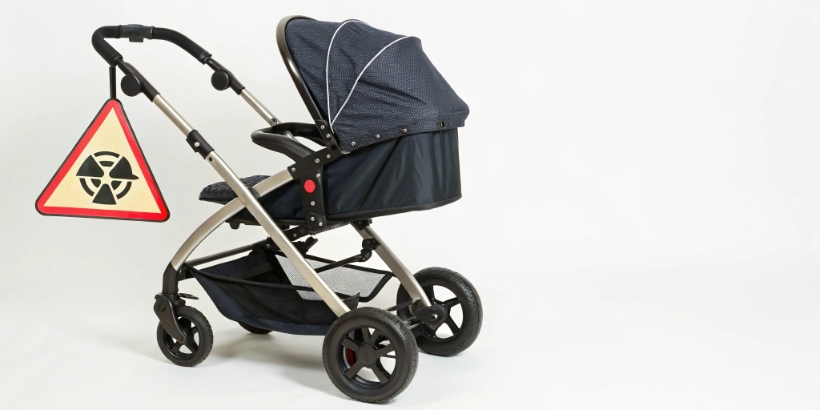
How do chemical safety issues trigger stroller recalls?
Chemical recalls are the most expensive. They often involve customs holds, public notices, and brand damage.
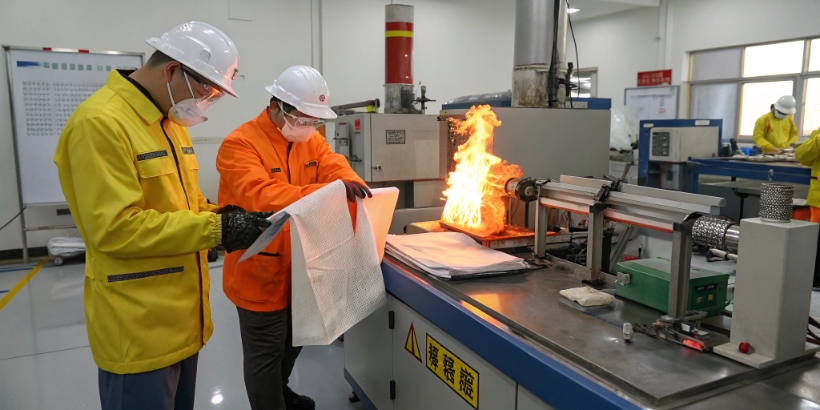
In recent years, recalls related to phthalates, heavy metals, and PFAS have increased. The main issue is that factories test only one fabric color or reuse old reports.
I always require test reports per material and per color. Ink, coating, and fabric all matter. One failed test can stop an entire shipment.
Here is what I focus on:
- REACH compliance
- CPSIA limits
- Phthalates
- Heavy metals
- Flammability performance
At Anhui Windmill, we work only with suppliers that provide full chemical traceability. This reduces recall risk and protects our buyers.
Why do labeling and warnings still cause recalls?
Some recalls happen for simple reasons. Missing warnings. Wrong language. Incorrect age labeling.
These issues look small, but regulators treat them seriously. I have seen strollers recalled only because warning labels were incomplete.
Before shipment, I always check:
- Label content and language
- Warning durability
- Instruction manuals
- Carton markings
Factories often rush this step. Buyers often trust them. That combination creates recall risk.
How we help buyers reduce recall risks
We do not wait for recalls to happen. We work backward from recall cases.
At Anhui Windmill, we screen factories, review test reports, inspect production, and manage final checks. We understand where recalls start and how to stop them early.
Our buyers rely on us because we help them avoid hidden risks, not just place orders.
Conclusion
Most stroller recalls come from preventable mistakes. Real inspections, real testing, and real supplier control make the difference.