The first factory audit I joined was confusing. Everything looked clean, but later the order failed inspection. That taught me that a real audit is not about appearance. It is about risk.
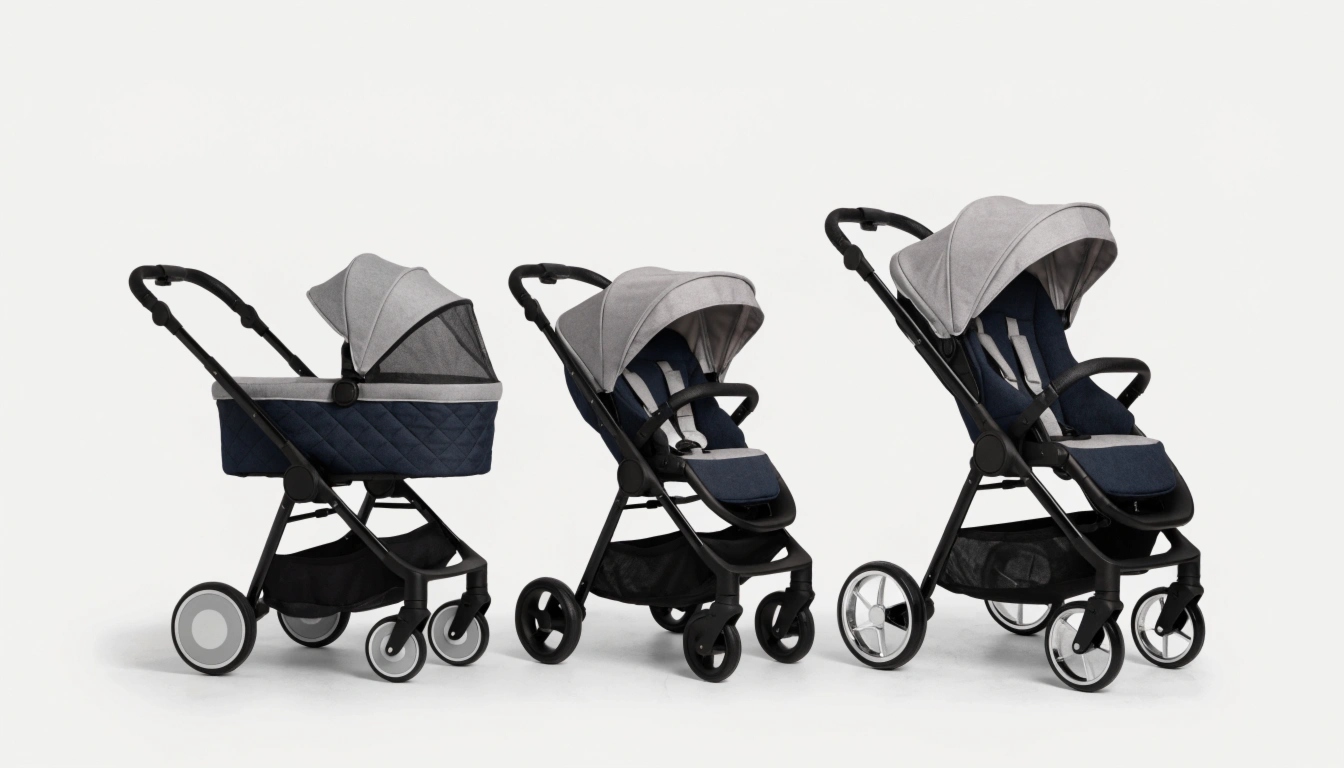
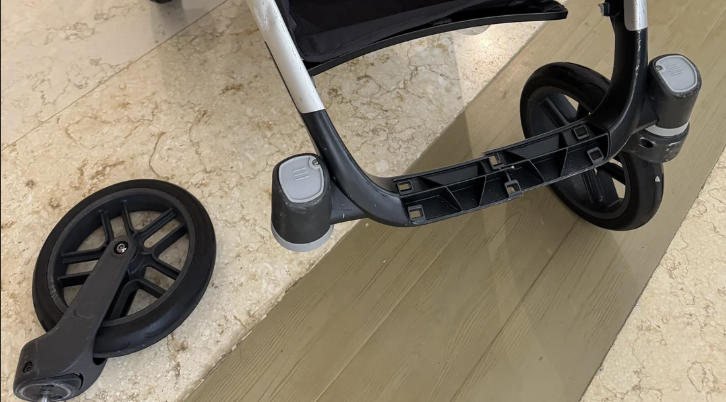
A baby product factory audit checklist in 2026 must cover legal compliance, quality systems, social responsibility, material safety, and production control. If one part is missing, buyers face shipment delays, recalls, or brand damage.
What do I check before the audit even starts?
Before I visit any factory, I always ask for documents first. This step already filters many risky suppliers. Some factories look strong online, but their paperwork tells a different story.
I usually request:
- Business license
- Product scope
- Audit reports such as BSCI or SMETA
- ISO 9001 certificate if available
- Test reports for baby products
If a factory hesitates or sends expired files, that is already a warning sign. Serious factories prepare these quickly.
I also check if the factory really produces baby products or only trades them. Many “factories” are only assembly workshops.
| Item | Why I Check |
|---|---|
| Business scope | Avoid illegal production |
| Audit validity | Ensure real compliance |
| Product focus | Avoid outsourcing risk |
This preparation saves buyers time and prevents fake factories from entering the supply chain.
How do I audit production and quality control?
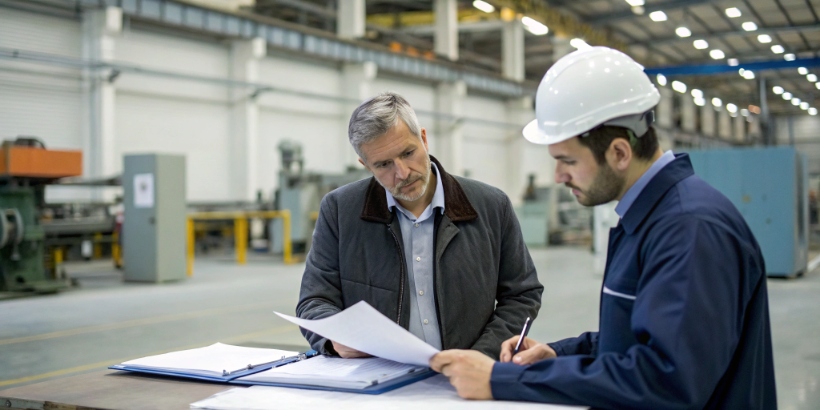
On site, I focus on the production floor. This is where problems hide.
I check incoming material control, in-process inspection, and final inspection. Many factories claim they do QC, but only inspect at the end. That is too late.
I always ask:
- How are defects recorded?
- Who approves corrective actions?
- Are inspection records real or copied?
I once found the same inspection form reused for three months. That factory failed immediately.
| Area | Good Practice | Risk |
|---|---|---|
| Incoming QC | Material tested | No records |
| Process QC | Clear checkpoints | Random checks |
| Final QC | Independent inspection | Production signs off |
At Anhui Windmill, we only work with factories that allow full audit transparency. That protects our buyers.
Social compliance is not only for brand image. It affects delivery stability.
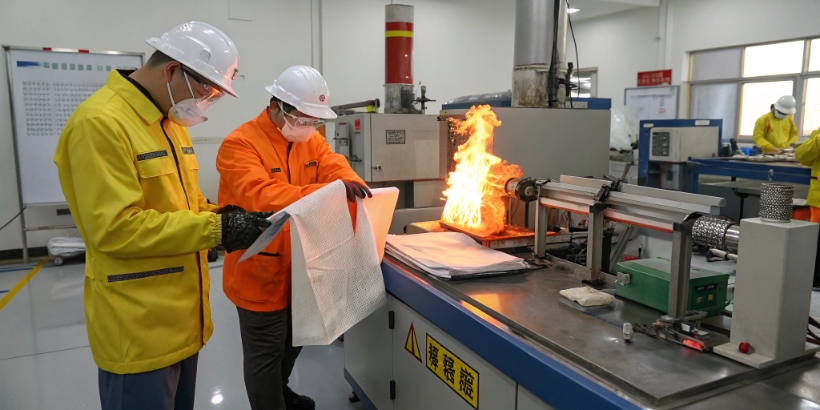
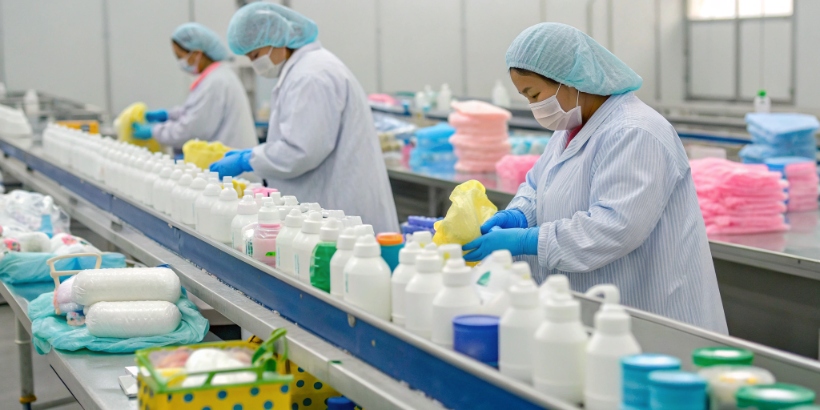
I check working hours, payroll, age records, and safety conditions. Factories with labor issues often shut down suddenly or fail audits during peak season.
Fire exits, training records, and PPE usage matter. A factory accident can stop production for months.
How we support buyers during factory audits
We help buyers understand what really matters. We join audits, explain risks, and help factories correct issues before orders start.
Conclusion
A baby product factory audit checklist is not a form. It is a decision tool that protects buyers before money is paid.