Stroller tipping is one of the most common safety complaints I hear from buyers and parents. It often appears suddenly. Many brands only realize the problem after negative reviews or accidents.
Most stroller tipping incidents happen due to poor weight distribution, weak frame stability, improper use, or design decisions that ignore real user behavior.
| Main Cause | Typical Situation | Risk Level | Can Buyers Control It? |
|---|---|---|---|
| High center of gravity | Child leaning forward | High | Yes |
| Hanging bags on handle | Daily parent behavior | High | Partially |
| Narrow wheelbase | Compact design | Medium | Yes |
| Lightweight frame | Travel stroller | Medium | Yes |
| Uneven ground use | Curbs, ramps | Medium | Limited |
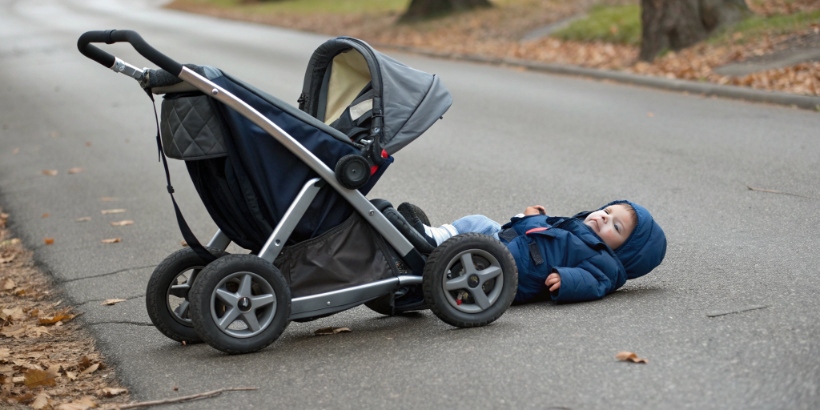
In my experience, stroller tipping is rarely caused by one single defect. It is usually the result of design choices combined with how parents actually use the stroller.
How Does Stroller Weight Affect Tipping Risk?
Many buyers believe heavier strollers never tip. This is not fully true. Weight helps, but balance matters more.
Lightweight strollers are more likely to tip forward or backward when weight shifts, especially if the center of gravity is high or the wheelbase is narrow.
| Stroller Weight Range | Tipping Risk | Typical Scenario |
|---|---|---|
| 6–8 kg | High | Bags on handle, curb push |
| 8–12 kg | Medium | Child movement |
| 12–15 kg | Lower | Daily family use |
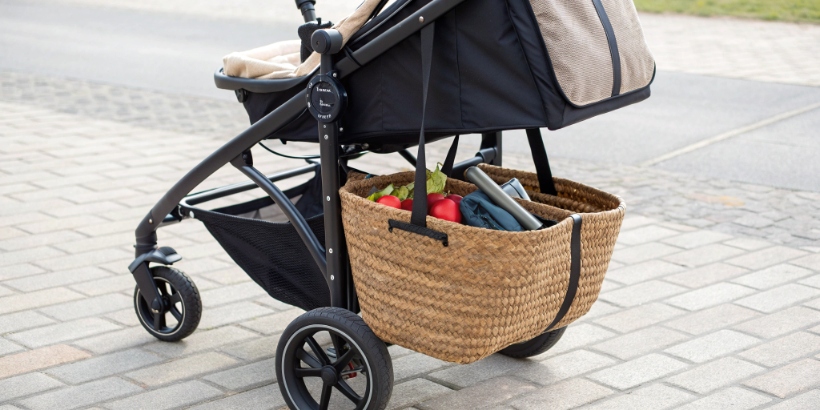
Light strollers react faster to movement. When a child leans forward or a bag hangs on the handle, the balance shifts quickly.
In the article How Much Does a Stroller Weight I explained in detail the key data regarding stroller weight.
Why Frame Structure Plays a Bigger Role Than Many Buyers Expect?
Weight alone does not prevent tipping. Frame structure defines how force moves through the stroller.
A weak or poorly designed frame allows small movements to turn into large balance shifts.
For more details, please see my other article, How to Evaluate Stroller Frame Strength and Stability.
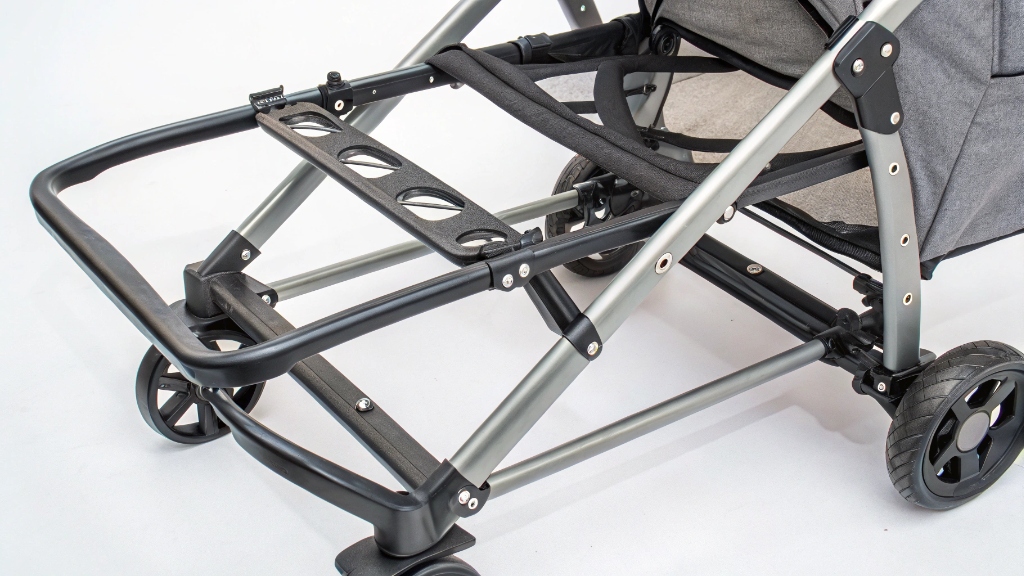
Key frame-related tipping risks
From my inspections, tipping risk increases when:
- The wheelbase is too narrow
- The frame flexes under load
- Folding joints loosen over time
- Locking systems are not fully engaged
This is why I always evaluate frame strength and stability together with weight and capacity, not separately.
How Parent Behavior Contributes to Stroller Tipping
Design is only part of the story. Real users behave differently than test assumptions.
Many stroller tipping cases are triggered by normal parent actions, not misuse.
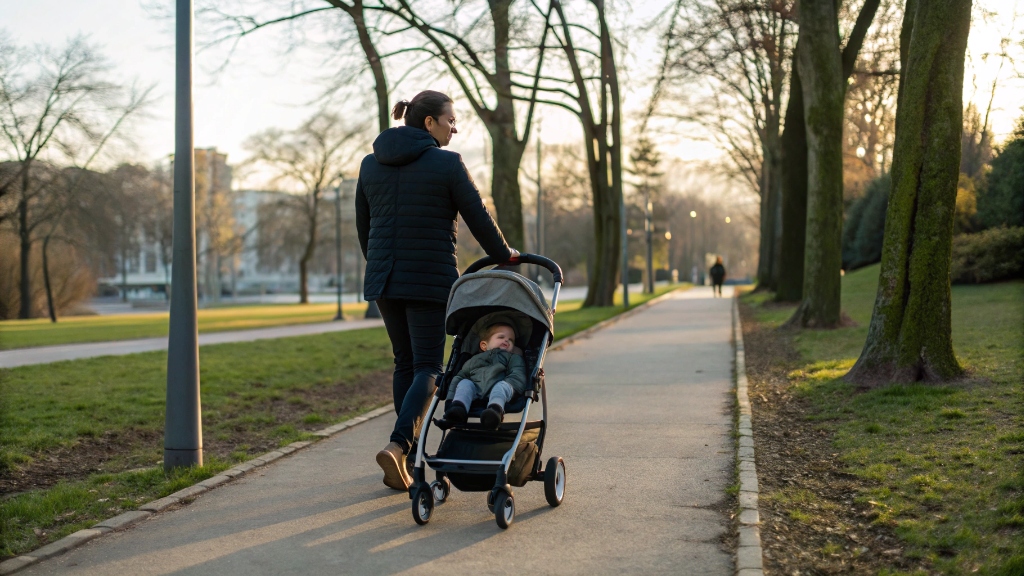
Common real-world behaviors
- Hanging shopping bags on handles
- Letting children climb in alone
- Pushing over curbs without lifting
- Using stroller on slopes
If a stroller cannot tolerate these behaviors, complaints will appear quickly.
Why this matters to buyers
Platforms and regulators rarely accept “user misuse” as an excuse. Products must tolerate predictable behavior.
How Wheel Design and Braking Affect Stability
Wheels are often discussed only for comfort. They are also critical for tipping prevention.
Wheelbase width and wheel size
A wider wheelbase increases stability. Small wheels react poorly to obstacles.
Braking system influence
Uneven braking can cause sudden stops and forward tipping. I always check:
- Brake response consistency
- Single-foot vs dual-foot brakes
- Brake engagement clarity
Poor braking design increases accident risk.
How Factories Test Tipping Resistance
Reliable factories test tipping risk during development.
Tipping resistance should be verified through tilt tests, load shifts, and durability simulations.
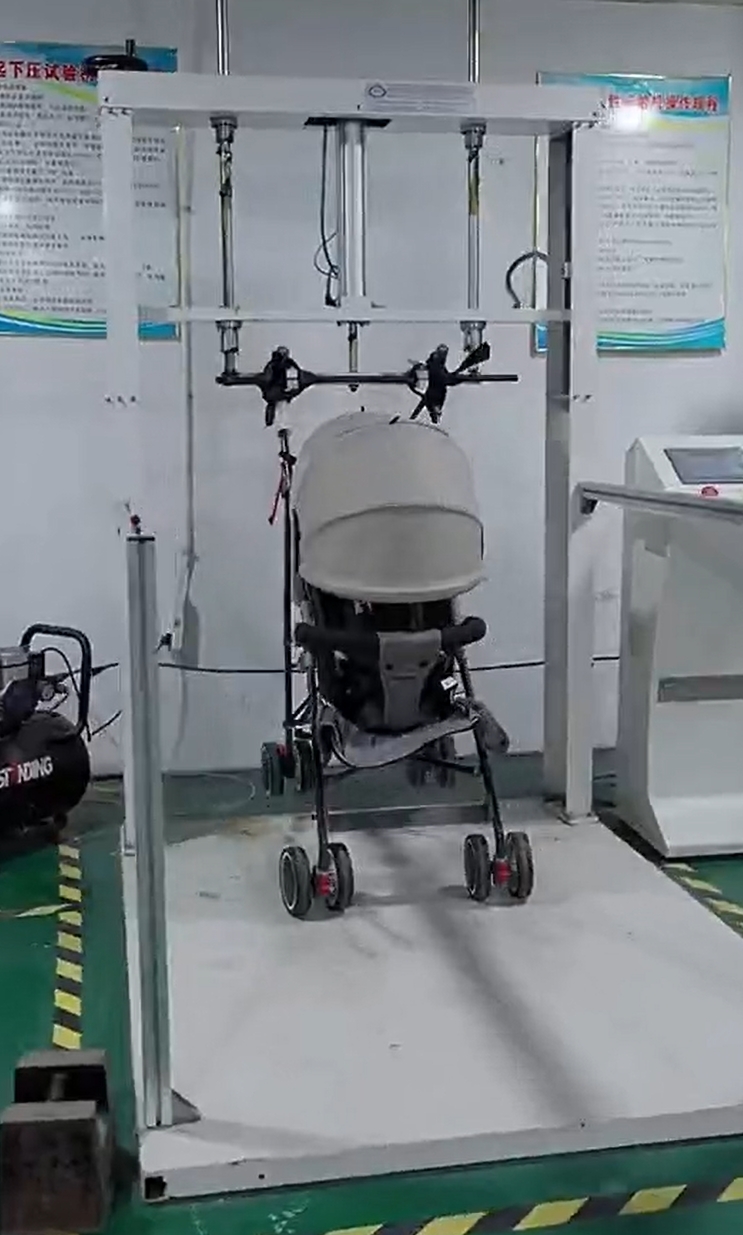
Typical tests include
- Forward tilt test
- Side tilt test
- Load shift simulation
- Long-term rolling fatigue test
Passing these tests reduces risk but does not eliminate it if design choices are poor.
What Buyers Can Do to Reduce Tipping Risk Before Production
From a buyer’s view, prevention is possible early.
Key actions I recommend
- Evaluate stroller weight and center of gravity together
- Review frame structure, not just materials
- Simulate real parent behavior during testing
- Avoid extreme lightweight designs for mass markets
These steps cost little compared to recall damage.
How This Connects to Other Stroller Safety Factors
Tipping risk is not isolated. It connects directly to:
- Frame strength and stability
- Stroller weight and load capacity
- Folding and locking systems
Understanding these connections helps buyers choose safer products and reduce long-term risk.
My Role
I work closely with buyers sourcing baby strollers and children’s products for global markets.
Anhui Windmill Imp. & Exp. Co., Ltd., established in 2019, is built on more than 15 years of industry experience. We cooperate with over 100 long-term partner factories and serve more than 200 customers worldwide.
Our focus is helping buyers avoid quality risks, reduce recalls, and simplify sourcing decisions through practical experience.
Conclusion
Stroller tipping is a predictable risk. Understanding how weight, frame structure, and real user behavior interact allows buyers to prevent problems before products reach the market.
Careful selection is crucial to prevent safety accidents or returns, avoiding unnecessary trouble. This is also explained in detail in my other article, Why Strollers Get Recalled and How I Help Buyers Avoid Them.