I still remember my first factory audit for baby strollers. The factory looked clean. The samples passed testing. But six months later, quality problems started to appear. That experience taught me one thing: without the right factory audit, even a good stroller becomes a long-term risk.
For stroller buyers in 2026, factory audits are not optional. BSCI and SMETA focus on social compliance, while ISO 9001 focuses on quality management. Buyers need to understand the differences and apply the right checklist to reduce recalls, delays, and compliance risks.
| Audit Type | Main Focus | What It Protects Buyers From |
|---|---|---|
| BSCI | Social responsibility | Labor violations, brand risk |
| SMETA | Ethical trade | Buyer compliance requirements |
| ISO 9001 | Quality management | Inconsistent quality, defects |

Why factory audits matter in stroller sourcing
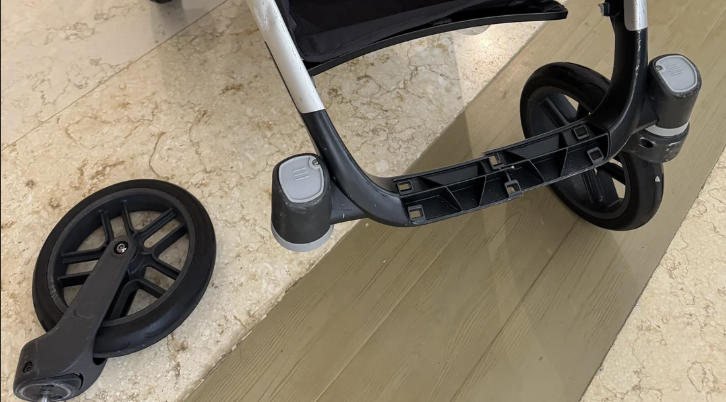
Baby strollers are high-risk products. They involve child safety, mechanical structure, and chemical compliance. Even if a stroller passes EN1888 or ASTM testing, factory-level problems can still cause recalls later.
From my experience, most stroller recalls are not caused by design alone. They are caused by:
- Poor process control
- Inconsistent materials
- Untrained workers
- Weak internal inspections
That is why factory audits sit at the center of the Baby Stroller Safety & Selection Hub. They connect directly with:
- Frame strength and stability
- Weight capacity control
- Tipping risk prevention
- Recall avoidance
👉 Related reading:
- How to Evaluate Stroller Frame Strength and Stability?
- How Much Does a Stroller Weight and How Much Weight Can It Hold?
- Why Strollers Tip Over and How Buyers Can Reduce the Risk?
- Common Stroller Recall Reasons and How Buyers Can Prevent Them
What is BSCI and what does it check?
BSCI (Business Social Compliance Initiative) focuses on labor conditions and social responsibility. Many European buyers require it.
When I review a BSCI audit, I focus on these areas:
| BSCI Area | What I Check | Buyer Risk if Failed |
|---|---|---|
| Working hours | Overtime records | Order suspension |
| Wages | Legal minimum pay | Brand reputation damage |
| Child labor | Age verification | Immediate termination |
| Health & safety | Fire exits, PPE | Factory shutdown |
| Dormitories | Living conditions | Buyer non-compliance |
BSCI does not test stroller quality directly. It ensures the factory operates legally and ethically. Buyers often misunderstand this.
What is SMETA and how is it different from BSCI?
SMETA (Sedex Members Ethical Trade Audit) is broader and more flexible. Many global brands accept SMETA instead of BSCI.
SMETA audits usually include:
- Labor standards
- Health and safety
- Environment
- Business ethics
| SMETA Module | Focus | Buyer Benefit |
|---|---|---|
| Labor | Working conditions | Ethical sourcing |
| H&S | Workplace safety | Reduced disruption |
| Environment | Waste, emissions | Sustainability |
| Ethics | Anti-bribery | Legal protection |
Compared to BSCI, SMETA:
- Is more buyer-driven
- Allows customized audit scope
- Is accepted by more international brands
What is ISO 9001 and why it is critical for stroller quality?
ISO 9001 is the only audit that directly affects stroller quality consistency.
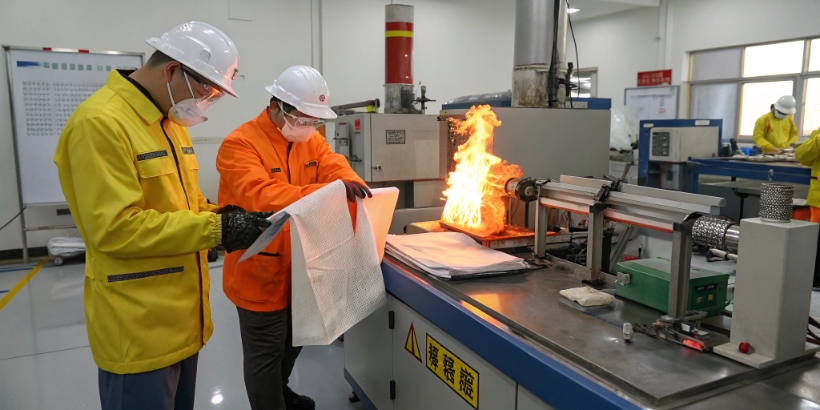
I rely heavily on ISO 9001 when sourcing strollers because it checks:
- Process control
- Incoming material inspection
- In-process quality checks
- Final inspection procedures
- Corrective action systems
| ISO 9001 Area | What I Review | Impact on Strollers |
|---|---|---|
| Incoming QC | Material checks | Prevents weak frames |
| Process control | SOP execution | Stable quality |
| Traceability | Batch records | Recall control |
| CAPA | Problem fixing | Long-term improvement |
Without ISO 9001, even factories with good samples often fail during mass production.
BSCI vs SMETA vs ISO 9001: What buyers really need
Many buyers ask me which audit is “best.” That question is incomplete. Each audit solves a different risk.
| Buyer Risk | Required Audit |
|---|---|
| Brand compliance | BSCI or SMETA |
| Ethical sourcing | SMETA |
| Product quality | ISO 9001 |
| Recall prevention | ISO 9001 + internal QC |
| Long-term stability | All three |
For stroller sourcing, I strongly recommend:
- BSCI or SMETA for social compliance
- ISO 9001 for quality control
Stroller-specific factory audit checklist (buyer version)
When I audit stroller factories, I go beyond standard audit reports. This is my practical checklist:
1. Frame and structure control
- Tube thickness records
- Welding SOPs
- Load testing records
- Scrap and rework tracking
(Related: Frame Strength & Stability)
2. Weight and load management
- Design weight limits
- Real load test data
- Production tolerance control
(Related: Stroller Weight & Capacity)
3. Tipping and stability risk
- Wheelbase consistency
- Assembly accuracy
- Stability test records
(Related: Why Strollers Tip Over)
4. Folding and locking systems
- Cycle test records
- Secondary lock checks
- Operator training
5. Material and chemical compliance
- Fabric traceability
- Chemical test reports
- Color-specific testing
6. Internal inspection system
- Incoming inspection
- In-process checks
- Final inspection criteria
7. Recall readiness
- Batch traceability
- Corrective action system
- Customer complaint handling
(Related: Stroller Recall Prevention)
Common mistakes buyers make with factory audits
From what I see, buyers often:
- Rely only on BSCI or SMETA
- Ignore ISO 9001 details
- Trust old audit reports
- Skip stroller-specific checks
Audits are not certificates to collect. They are risk management tools.
How Anhui Windmill supports buyers during audits
At Anhui Windmill, we do not treat audits as paperwork. We:
- Pre-check factories before audits
- Align audit scope with stroller risks
- Review corrective actions
- Monitor ongoing compliance
This approach reduces buyer stress and prevents long-term problems.

Hub Internal Link Summary
This article is part of the Baby Stroller Safety & Selection Hub:
- Frame Strength and Stability
- Stroller Weight and Capacity
- Why Strollers Tip Over
- Common Stroller Recall Reasons
Together, these articles help buyers reduce risk and make confident sourcing decisions.
Conclusion
For stroller buyers, audits are not about compliance alone. BSCI and SMETA protect your brand. ISO 9001 protects your product. Using the right checklist is how buyers avoid recalls, delays, and long-term losses.