I still remember a call I got at 11:30 p.m. from a supermarket buyer in South America.
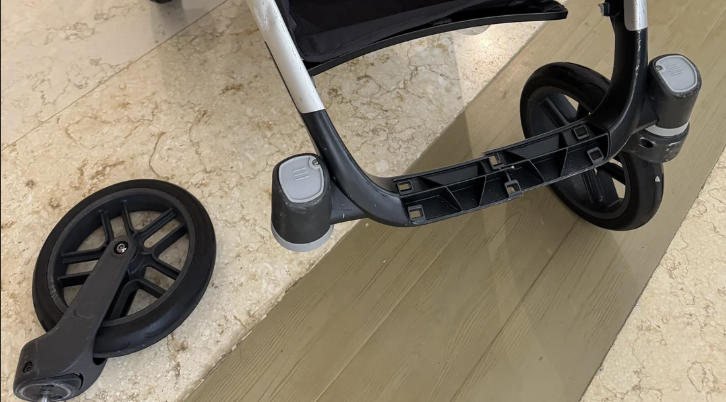
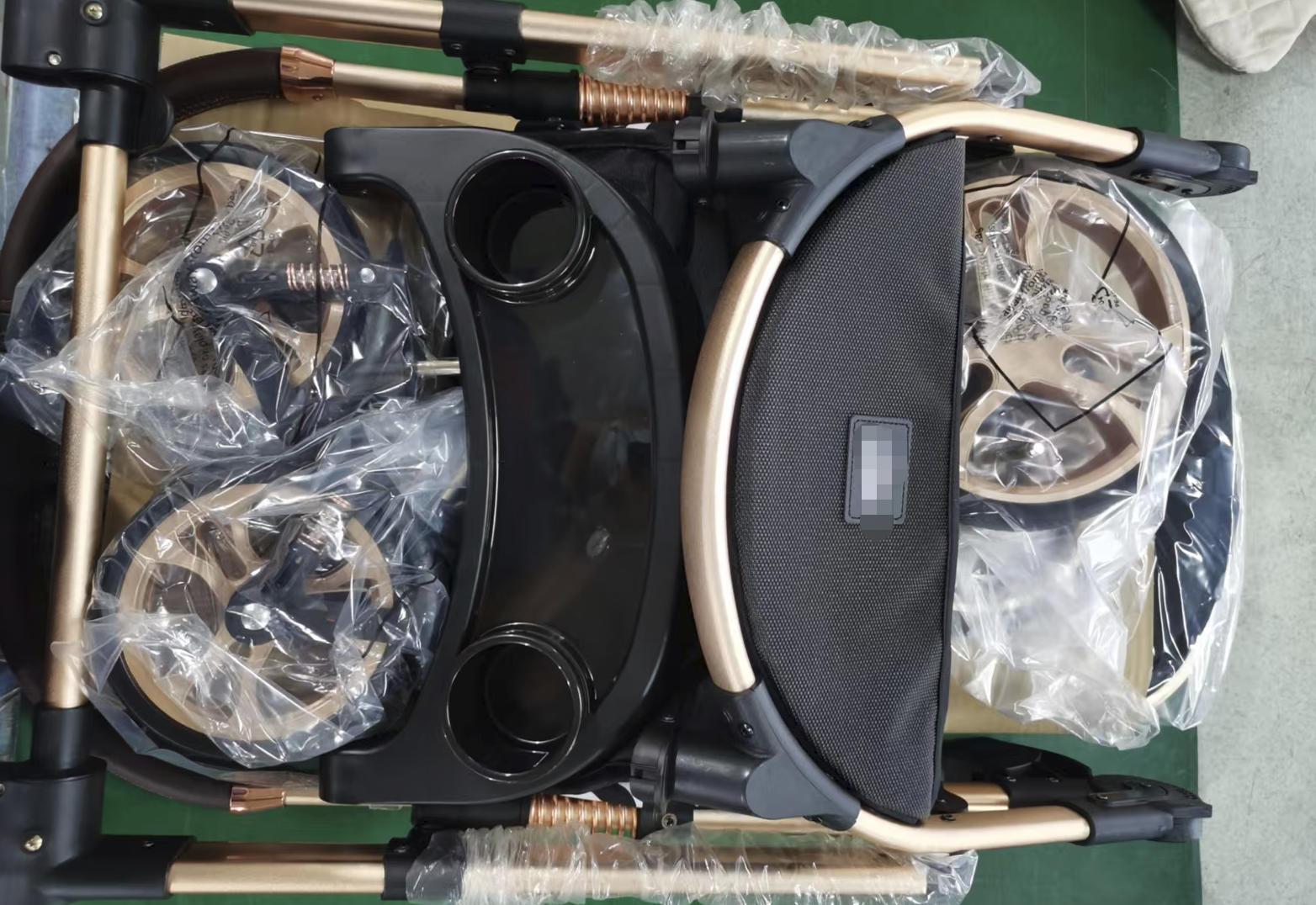
Her voice was tired. Two containers of baby strollers had arrived. About 6% were scratched, bent, or had broken wheels.
The airline said, “Not our problem.”
The factory said, “Warranty does not cover transport damage.”
And the buyer was stuck in the middle, facing store complaints and internal pressure.
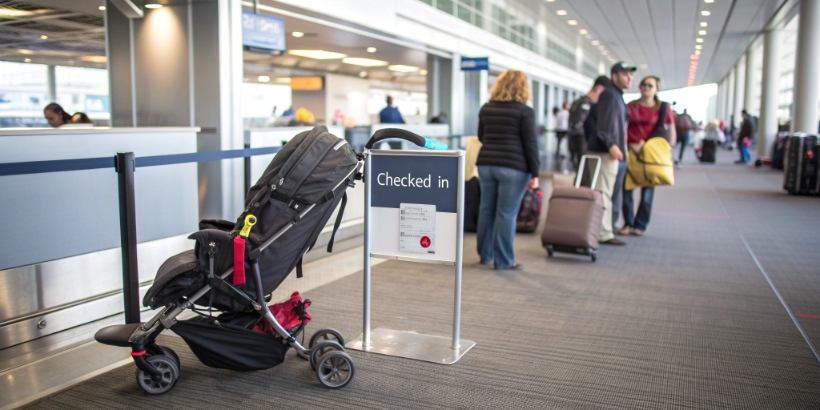
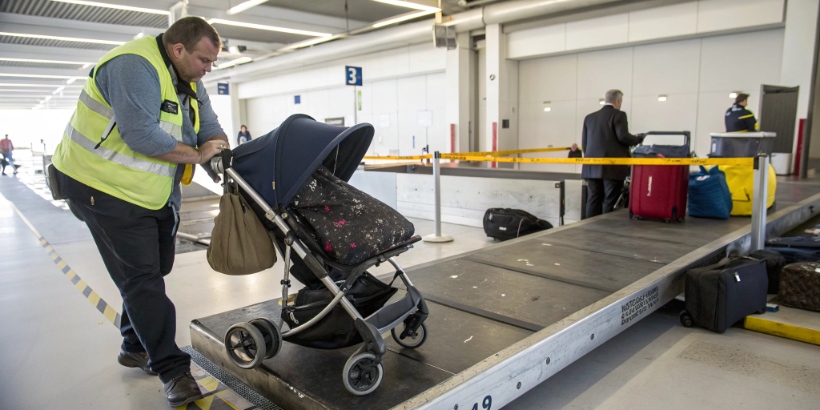
I have two children myself, and I clearly remember folding our stroller at the airport gate, watching it disappear on the belt. I also remember the small crack I noticed after landing and thinking, Was this already there, or did it happen today?
That same confusion happens every day in real business. But with much higher cost.
So let me answer the real buyer question clearly.
Who is responsible when a stroller is damaged during air transport — the airline or the factory?
In most cases, airline damage is NOT covered by factory warranty, unless the damage is proven to be caused by manufacturing defect. Responsibility depends on where and how the damage happened, and what evidence exists.
Below is the direct answer I usually give buyers in meetings.
| Damage Scenario | Who Is Normally Responsible | Why |
|---|---|---|
| Structural defect discovered before shipping | Factory | Manufacturing responsibility |
| Carton crushed during flight | Airline | Transport handling |
| Scratches from loose packing | Factory | Packing design issue |
| Broken wheel after gate check | Airline (limited) | Mishandling, but compensation is capped |
| Mixed cause, no evidence | Buyer absorbs loss | No clear liability |
Buyer Question 1: Does factory warranty cover stroller damage caused by airlines?
This is the most misunderstood part.
I have explained this to buyers more times than I can count.
In my experience, factory warranty covers product defects, not logistics damage.
A broken weld. A cracked injection part. A wheel axle that fails under normal use. These are factory issues.
But once the goods are handed over to the airline or forwarder, the legal responsibility shifts.
Factories usually hide behind one sentence in their warranty clause:
“Warranty excludes damage caused by transportation, improper handling, or force majeure.”
This sentence looks harmless. But it is very powerful.
I once visited a stroller factory in Zhejiang after a buyer complained about bent frames.
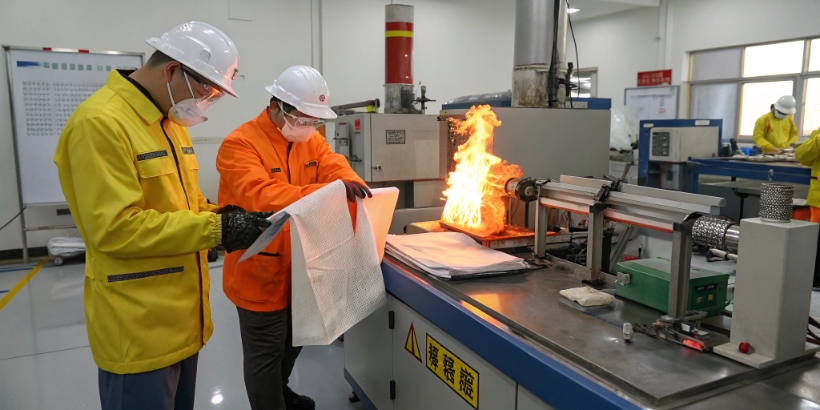
The factory manager showed me their internal test report. Frame passed fatigue test. Static load passed.
Then he opened photos from loading day. Cartons stacked correctly. No visible issue.
Later, the buyer sent photos from the airport warehouse.
Cartons had fork punctures. One carton had a visible boot print.
In that case, no factory warranty applies. And honestly, it shouldn’t.
Common mistake buyers make:
They assume “factory warranty” means “everything until store shelf.”
It does not.
What factories usually don’t explain clearly:
- Warranty starts after correct receipt
- Transit risk is separate
- Packing must be approved before shipment
How I advise buyers to check:
- Ask for written warranty scope, not verbal
- Ask where warranty starts and ends
- Check if packing method is part of warranty
| Item | Covered by Factory Warranty? |
|---|---|
| Frame welding defect | Yes |
| Plastic aging failure | Yes |
| Carton crushed in flight | No |
| Missing parts after inspection | Depends on evidence |
Buyer Question 2: When airlines damage strollers, what compensation can buyers realistically expect?
This is where expectations often break down.
Airlines talk about “claims,” but buyers imagine full product value recovery.
That almost never happens.
I handled an air damage claim in 2019 for a European supermarket.
Declared value per stroller: USD 85.
Airline compensation offered: USD 19 per unit.
Why?
Because airlines calculate compensation based on weight, not product value.
Most airlines follow international air cargo rules. Compensation is capped per kilogram.
A stroller might weigh 8–10 kg. That cap is very low compared to retail value.
Another hard truth:
If you do not report damage immediately upon receipt, your claim is weak.
I’ve seen buyers wait until store complaints come back weeks later.
By then, airlines say damage could have happened in warehouse or store.
What airlines usually avoid telling you:
- Gate-check strollers are treated as limited liability items
- Cosmetic damage is often excluded
- Improper packing voids claims
What buyers should do in real business:
- Inspect cartons before signing
- Take photos at airport warehouse
- File claims within airline time limits
- Separate cosmetic vs functional damage
| Claim Factor | Buyer Reality |
|---|---|
| Full product value | Rare |
| Partial compensation | Common |
| Fast resolution | No |
| Strong evidence required | Yes |
Buyer Question 3: How can buyers reduce disputes between airlines and factories before shipping?
This is where experience really matters.
In my early years, I thought disputes were unavoidable.
Now I know most of them are preventable.
The core problem is unclear risk ownership.
Factories assume: “Once it leaves our gate, it’s not our problem.”
Airlines assume: “If packing is weak, it’s not our problem.”
And buyers assume: “Someone else will pay.”
That triangle creates disputes.
What I do differently now is force clarity before production ends.
Real steps I use with factories:
- Define transport scenario (gate check vs cargo)
- Approve packing drop test standard
- Simulate stacking pressure
- Require photo records of packing
What many factories hide:
- Same carton used for sea and air
- Inner protection removed to save cost
- No real drop test, only visual check
I once rejected a factory’s packing design even though it “looked strong.”
They were unhappy. Cost increased by USD 1.2 per stroller.
But damage rate dropped from 4% to under 0.5%.
That decision saved far more money than it cost.
What buyers should demand:
- Written packing responsibility
- Clear Incoterms
- Pre-shipment inspection including carton condition
- Damage threshold agreement
| Prevention Measure | Cost Impact | Risk Reduction |
|---|---|---|
| Stronger carton | +Low | High |
| Inner EPE protection | +Low | Medium |
| Packing test report | +Very Low | High |
| Clear contract clause | Zero | Very High |
How we actually help buyers reduce these risks
At Anhui Windmill, we don’t pretend damage will never happen.
That would be dishonest.
What we do is reduce uncertainty.
I work directly with factories. I walk packing lines. I open cartons.
I argue with engineers about 3 mm foam thickness.
I’ve rejected shipments that “looked fine” but failed logic.
Our process is simple but strict:
- We select factories that accept packing accountability
- We audit packing, not just product
- We separate factory defect risk from transport risk
- We help buyers set realistic airline claim expectations
- We document everything before shipment
When something goes wrong, we already know where responsibility lies.
That alone saves weeks of argument.
We don’t sell miracles.
We remove gray areas.
That is how experienced export managers survive long term.
Conclusion
Airline damage and factory warranty are two different worlds.
Mixing them creates conflict.
If buyers understand where responsibility starts and ends, problems become manageable.
If not, every damaged stroller becomes a fight.
This article was edited by Sherry on 2026-01-23.
This article is part of our Baby Stroller Safety & Selection Hub, where I explain how buyers can reduce risk and avoid recalls.
Hub Backlink