The idea of AI designing baby products sounds futuristic, maybe even scary. You worry about safety when algorithms replace human judgment. Is it truly safe for your child?
Yes, AI-designed strollers and high chairs can be safe, often even safer due to rigorous optimization and testing. AI assists engineers by enhancing design, predicting weak points, and improving material choices, leading to more robust and ergonomic products.
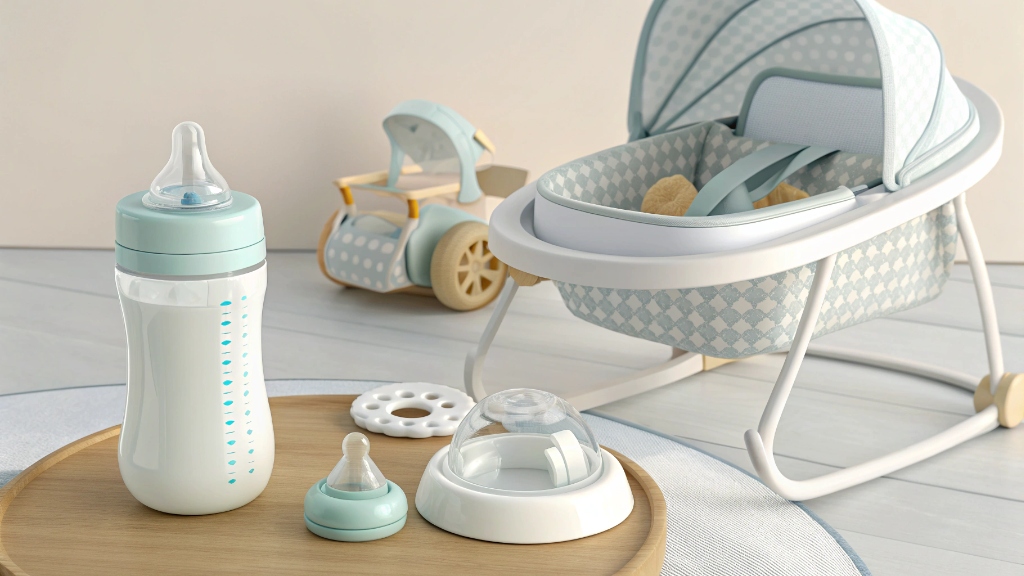
The concept of artificial intelligence helping create baby products might seem distant. But it is happening now, changing how we approach safety and innovation. Let us look at where AI is making an impact.
In which aspects of strollers and high chairs has AI already been involved?
You hear about AI everywhere, but how does it actually apply to baby gear? It is hard to imagine a computer designing a safe high chair. You wonder what AI is really doing in this field.
AI is already involved in several key aspects of stroller and high chair design, including structural integrity analysis, material selection, ergonomic optimization for both child and parent, and even predicting user interactions. It helps refine designs for safety and functionality.
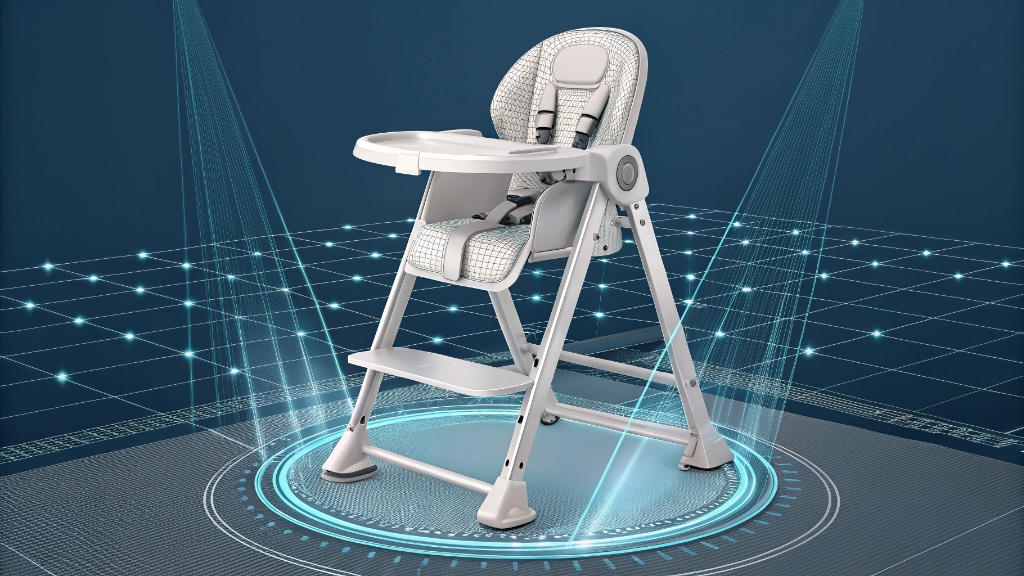
My 15 years in the children’s product industry have shown me that technology constantly pushes boundaries. AI’s involvement in designing strollers and high chairs is not about replacing human creativity but about enhancing it with data-driven insights. One primary area is structural integrity and stress analysis. Engineers traditionally use complex simulations to test how a stroller frame or high chair leg will withstand pressure. AI takes this a step further. It can run thousands, even millions, of simulations much faster than humans. It can identify potential weak points under various conditions – like a heavy child in a high chair or a stroller hitting a curb – long before a physical prototype is built. This predictive power helps reinforce critical areas, making the final product much sturdier. At Anhui Windmill Imp. & Exp. Co., Ltd., we value factories that use cutting-edge methods to ensure product quality. AI’s role here means fewer structural failures and a safer product for your customers. This reduces your worries about product recalls and enhances trust.
Another important aspect is material optimization. AI can analyze vast datasets on material properties, costs, and environmental impact. It can suggest the best materials for specific parts of a stroller or high chair, balancing strength, weight, comfort, and sustainability. For example, it might recommend a particular alloy for a lightweight stroller frame that is both durable and cost-effective. For high chairs, AI can help choose food-grade plastics that are easy to clean and resist wear, while also meeting strict safety standards. This smart material selection directly affects the product’s lifespan and safety. My company works with over 100 partner factories, many holding certifications like BSCI and Sedex. These factories are often at the forefront of adopting such technological advancements. They use AI to enhance their design processes, making products more reliable and reducing the risk of material-related issues. This meticulous approach ensures that the baby products we offer meet and exceed industry safety standards, giving you peace of mind.
AI’s Involvement in Baby Product Design
- Structural Analysis:
- How AI Helps: Runs advanced simulations to identify stress points and potential failures in frames and components.
- Benefit: Leads to stronger, more stable designs that withstand rigorous use.
- Material Selection:
- How AI Helps: Analyzes material properties, costs, and safety data to recommend optimal choices for different parts.
- Benefit: Ensures durability, lightweight design, cost-effectiveness, and compliance with safety standards (e.g., food-grade plastics for high chairs).
- Ergonomic Optimization:
- How AI Helps: Models child and parent body mechanics to refine seat angles, handlebar heights, and overall comfort.
- Benefit: Products are more comfortable, reduce strain, and promote proper posture.
- Safety Standard Compliance:
- How AI Helps: Cross-references design parameters with global safety regulations to highlight potential non-compliance early in the design phase.
- Benefit: Faster compliance checks, fewer design iterations, ensuring products meet certifications like EN1888 from the start.
| Aspect of Design | AI’s Role | Impact on Safety & Quality |
|---|---|---|
| Structural Design | Predictive modeling, stress simulation, optimization | Enhanced stability, reduced breakage risks |
| Material Choice | Data analysis for optimal strength-to-weight, safety | Durable, non-toxic components, improved longevity |
| Ergonomics | User biomechanics analysis, comfort mapping | Better child support, reduced parental strain |
| Safety Testing | Virtual crash testing, fatigue analysis | Early detection of flaws, compliance with standards |
| Manufacturing | Quality control, defect detection | Consistent product quality, fewer manufacturing errors |
Can AI improve the safety standards of strollers and high chairs?
You might think human engineers are the only ones who truly understand child safety. You worry that relying on AI could miss subtle risks. You wonder if AI really can make baby products safer than human design alone.
Absolutely, AI can significantly improve the safety standards of strollers and high chairs. By identifying unseen design flaws, optimizing material use, and ensuring compliance with complex regulations, AI-driven design processes result in products that are more robust, stable, and safer for children.
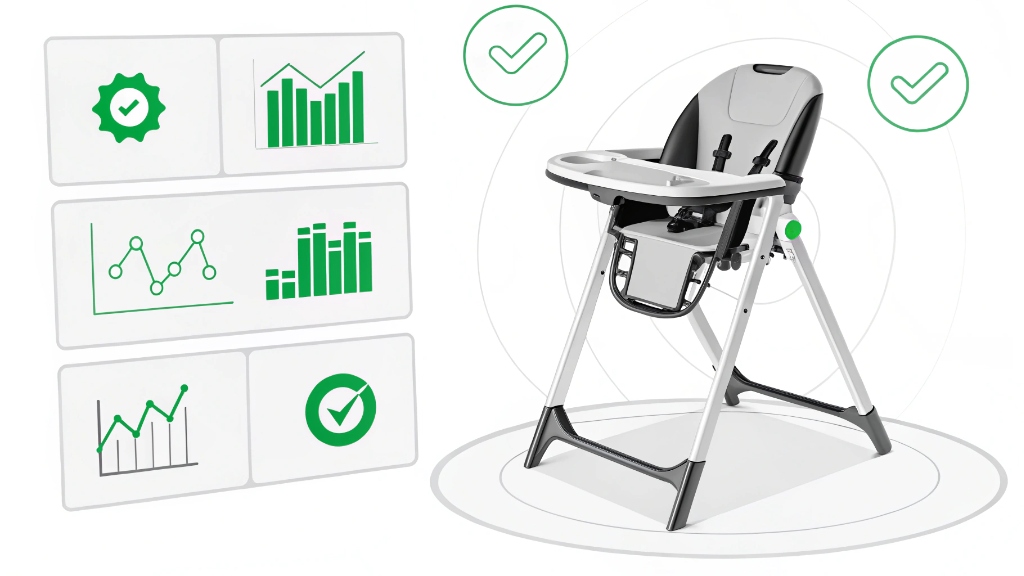
When we talk about improving safety, AI brings a level of precision and speed that was previously impossible. One way AI does this is through predictive failure analysis. Imagine a stroller being used every day for years. It will face bumps, drops, and general wear and tear. AI can simulate these real-world conditions over and over. It can then predict where a component might weaken or fail after thousands of uses. This goes beyond what traditional physical testing can achieve efficiently. By finding these potential failure points early in the design stage, engineers can strengthen those areas before the product even reaches manufacturing. This proactive approach significantly reduces the risk of accidents later on. My company works closely with factories that implement such advanced analysis tools to ensure our products are built to last and, more importantly, are safe throughout their lifespan. This commitment to rigorous pre-production safety helps eliminate any concerns your customers might have.
Another critical area is compliance with safety standards. International standards like EN1888 for strollers are complex and constantly evolving. Manually checking every design against these detailed requirements can be time-consuming and prone to human error. AI systems can rapidly cross-reference design specifications with global safety regulations. They can flag any potential non-compliance immediately, suggesting modifications to ensure the product meets all required certifications. This includes everything from harness strength to stability tests for high chairs. This means products designed with AI assistance are more likely to pass stringent safety tests on the first try. It speeds up the approval process and ensures a consistently high level of safety across all product lines. Anhui Windmill Imp. & Exp. Co., Ltd. prides itself on sourcing products from factories that are certified to these high standards. This ensures that the products you receive are not just innovative but also globally compliant and safe, easing your purchasing process and boosting your market confidence.
AI’s Impact on Safety Standards
- Predictive Failure Analysis:
- How AI Helps: Simulates long-term use and stress to identify and mitigate potential weak points before production.
- Benefit: Prevents structural failures and extends product life, enhancing long-term safety.
- Automated Compliance Checking:
- How AI Helps: Quickly compares design parameters against complex international safety standards (e.g., EN1888).
- Benefit: Ensures products meet all regulations, reducing the risk of non-compliance and increasing market readiness.
- Ergonomic Safety:
- How AI Helps: Analyzes child anthropometry and movement patterns to design safer seating and support systems.
- Benefit: Reduces risks of improper posture, entrapment, or injury from poor design.
- Manufacturing Quality Control:
- How AI Helps: Uses computer vision to detect defects in manufacturing lines, ensuring consistent product quality.
- Benefit: Fewer faulty products reach the market, maintaining higher overall safety levels.
| Safety Aspect | Traditional Approach | AI-Enhanced Approach | Safety Improvement |
|---|---|---|---|
| Structural Integrity | Manual calculations, limited physical prototypes | Extensive virtual simulations, real-time optimization | Earlier detection of flaws, stronger components |
| Hazard Identification | Expert review, historical data | AI algorithms detect novel risk patterns, predict failures | Proactive prevention of unforeseen hazards |
| Compliance Check | Manual review against documents, slow | Automated cross-referencing with global standards | Faster, more accurate, comprehensive compliance |
| Material Safety | Lab testing, supplier declarations | AI analyzes vast chemical/toxicology databases | Identification of safest, most durable materials |
| User Error Mitigation | Intuitive design, warning labels | AI analyzes usage data to inform safer designs | Products inherently harder to misuse safely |
Does AI help design more ergonomic strollers and high chairs?
You know comfort matters for your child, but also for you, the parent. You worry that an AI might overlook the human touch, leading to an awkward design. You wonder if a computer truly understands what makes a product ergonomic.
Yes, AI significantly aids in designing more ergonomic strollers and high chairs for both children and parents. By analyzing vast datasets on human body mechanics, movement patterns, and comfort preferences, AI optimizes features like seat angles, harness positions, handle heights, and folding mechanisms.
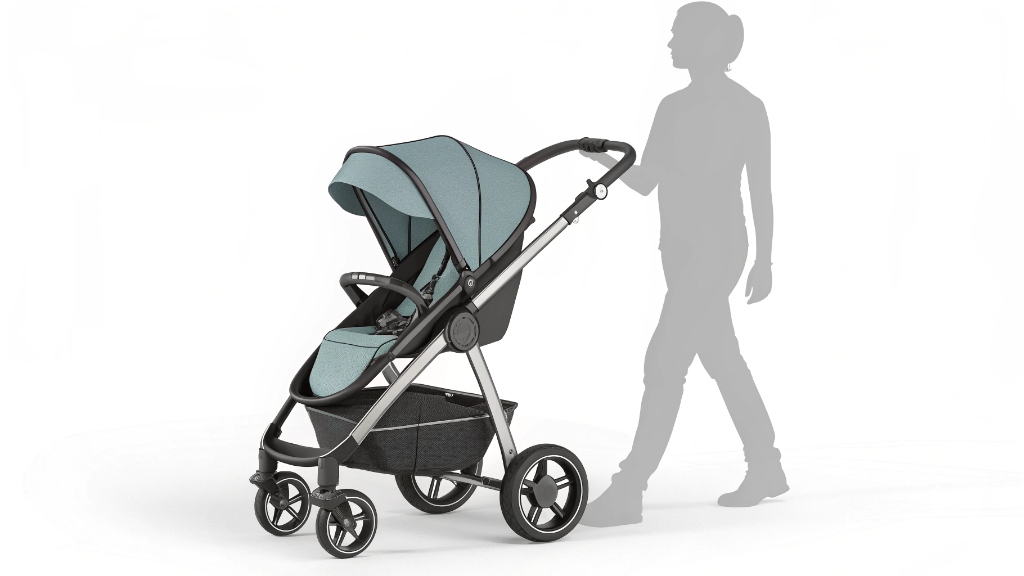
Designing for human comfort and function, or ergonomics, is incredibly complex. It involves understanding how bodies move and interact with objects. AI provides powerful tools to refine these aspects in baby products. For children, AI can analyze anthropometric data – measurements of human body dimensions – for various age groups. This allows designers to create seats that correctly support a child’s spine, hips, and legs as they grow. For high chairs, AI ensures optimal seating posture, preventing slouching and promoting healthy development. It can also help design harness systems that are secure without being restrictive, adapting to different body types. My company always looks for products that prioritize child development and comfort. When we source baby high chairs, for example, we look for those that are not only safe but also support healthy posture. AI can help factories design them better.
For parents, AI assists in optimizing features like handlebar height and angle. By simulating different user heights and pushing styles, AI can suggest ideal ranges or mechanisms for adjustment. This reduces strain on the parent’s back and wrists. It also helps in designing intuitive and easy-to-use folding mechanisms. My experience with our professional foreign trade team at Anhui Windmill Imp. & Exp. Co., Ltd. shows that ease of use for parents is a huge selling point. We understand that parents have enough on their hands. An AI-optimized folding process means less struggle and frustration, making the product more appealing. AI can also help design easier wheel lock mechanisms or more accessible storage baskets. By combining vast data analysis with engineering principles, AI helps create products that are not just safe but also genuinely comfortable and convenient for the entire family. This ensures that the products you source through us are both innovative and user-friendly, setting you apart in the market.
Ergonomic Improvements via AI
- Child Seating Optimization:
- How AI Helps: Analyzes anthropometric data and movement to design seats that provide optimal support and comfort.
- Benefit: Promotes healthy posture, reduces discomfort during long periods of use, and prevents potential injury.
- Parental Interface Design:
- How AI Helps: Simulates various user interactions (e.g., pushing, folding, carrying) to optimize handlebar height, grip, and folding mechanisms.
- Benefit: Reduces physical strain on parents, making strollers and high chairs easier and more comfortable to use.
- Harness System Refinement:
- How AI Helps: Optimizes strap positioning and buckle design for security without discomfort, adaptable to different child sizes.
- Benefit: Enhances safety and comfort, minimizing the risk of improper use or escape.
- Accessibility of Controls:
- How AI Helps: Evaluates placement and design of brakes, recline levers, and storage access for intuitive operation.
- Benefit: Improves overall user experience, reducing frustration and potential errors.
| Ergonomic Feature | AI’s Contribution | User Benefit |
|---|---|---|
| Child Seat Geometry | Analyzes child growth data, posture biomechanics | Optimal spine/hip support, comfort, healthy development |
| Handlebar Adjustment | Simulates various parent heights, pushing forces | Reduced back strain, comfortable pushing for all |
| Folding Mechanism | Optimizes levers, pivot points for ease and speed | Less effort to fold/unfold, single-hand operation |
| Harness Fit | Models child body types, secure and comfy fit | Prevents slouching, secure without being tight |
| Footrest/Leg Support | Ensures proper leg positioning as child grows | Comfort for child, prevents dangling legs |
What challenges and future possibilities does AI face in baby product design?
You might think AI sounds too good to be true, wondering about its limits. You worry that it lacks the intuition of a human designer. You wonder what roadblocks AI still faces in truly revolutionizing baby product design.
AI in baby product design faces challenges like integrating human empathy, ensuring data quality, and managing ethical considerations. However, future possibilities include personalized designs, predictive maintenance, and continuous safety improvements through real-time feedback, promising even safer and smarter products.

Despite its incredible potential, AI in baby product design is not without its challenges. One major hurdle is integrating human empathy and intuition. While AI can analyze data and optimize for safety and ergonomics, it cannot yet fully grasp the subtle emotional aspects of parenting – the reassuring feel of a particular fabric, the joy of a child’s curious gaze, or the specific aesthetic preferences that drive a parent’s choice. These qualitative factors are still best addressed by human designers who understand the emotional connection parents have with their baby’s gear. AI can help optimize, but the initial spark of design and the final judgment often require human input. My company recognizes this balance. We value the human touch that our professional team brings to product selection. We ensure that our diverse product range, though benefiting from technological advancements, retains the human-centered design elements that parents seek.
Looking to the future, the possibilities are incredibly exciting. Personalized designs could become a reality. Imagine an AI-powered system that uses your child’s age, height, and even your family’s lifestyle data to recommend or even customize a stroller or high chair perfect for your specific needs. This level of customization could offer unparalleled safety and comfort. Another area is predictive maintenance. AI could integrate with smart sensors in a stroller to monitor wear and tear, alerting parents when a wheel needs tightening or a brake needs checking before it becomes a safety issue. This real-time feedback loop could drastically improve long-term safety. My 15 years of industry experience, combined with our robust supply chain, position Anhui Windmill Imp. & Exp. Co., Ltd. to adapt to these innovations. We aim to keep our customers, like you, ahead of the curve by offering products that incorporate the latest in design and safety technology. This proactive approach helps reduce your worries about staying competitive and provides peace of mind that you are offering leading-edge solutions.
Challenges and Future of AI in Baby Products
- Challenges:
- Lack of Empathy: AI struggles with subjective human preferences and emotional connection.
- Data Quality: AI models are only as good as the data they are trained on; biases or incomplete data can lead to flaws.
- Ethical Considerations: Questions around data privacy and decision-making responsibility.
- Future Possibilities:
- Hyper-Personalization: Strollers/high chairs custom-designed based on individual child/parent data.
- Smart Monitoring/Predictive Maintenance: Sensors and AI predict wear and suggest maintenance.
- Adaptive Designs: Products that automatically adjust to a child’s growth or changing needs.
- Enhanced User Feedback Integration: AI analyzes user reviews and sensor data to continuously refine designs.
| Aspect of AI | Current Challenge | Future Possibility | Expected Impact |
|---|---|---|---|
| Design Creativity | Lacks human intuition for aesthetics and emotional needs | AI-generated design concepts with human refinement | Faster ideation, more diverse design options |
| Data Privacy | Securing sensitive user data in personalized designs | Robust anonymization, secure data sharing protocols | Trust in personalized, data-driven products |
| Ethical Bias | Ensuring AI does not perpetuate design biases | Fair data training, transparent algorithm auditing | Inclusive, equitable product designs for all families |
| Sensory Feedback | AI cannot ‘feel’ textures or material comfort | Integration of advanced sensory input analysis | More tactilely pleasing and comfortable products |
| Autonomous Control | Regulatory hurdles, safety liabilities | Limited autonomous features (e.g., self-parking stroller) | Enhanced convenience, but with strict safety oversight |
Conclusion
AI is increasingly involved in designing baby products like strollers and high chairs. It enhances safety through better structural analysis, material optimization, and compliance checks. While challenges exist, AI promises even smarter, safer, and more personalized solutions.