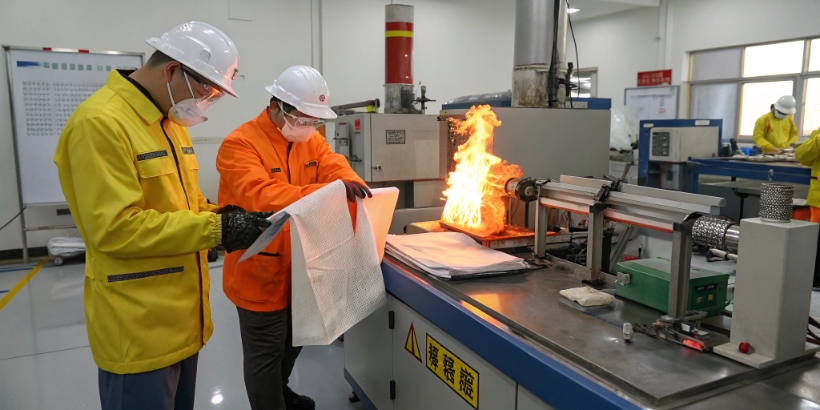
I remember a time when a new buyer, very excited about a potential factory, sent me their audit report. It was a recent SMETA 2-pillar audit, looked good on paper, and the factory itself seemed promising during our initial video call. The buyer was ready to place a big order. But when I went for my pre-production visit, something felt off. The factory floor was spotless, almost too spotless, and the workers seemed a little stiff. During a quick, informal chat with one of the supervisors (someone I knew from another factory who had moved), he quietly mentioned that they’d had a week of "audit preparation" where they moved some equipment, hired temporary staff, and even rehearsed answers. The report was technically accurate for the day of the audit, but it didn’t reflect the daily reality. It reinforced for me that just seeing a name like BSCI or SMETA isn’t enough; you really need to understand what’s behind it.
So, when you’re looking at baby product factories in China, and they hand you an audit report, whether it’s BSCI or SMETA, what does it really mean? Which one gives you a clearer picture? Both are widely recognized social compliance audits, but they aren’t interchangeable. BSCI, or the Business Social Compliance Initiative, is a broader framework, a code of conduct set by Amfori. SMETA, Sedex Members Ethical Trade Audit, is a specific audit methodology used to assess a supplier against the ETI Base Code, local laws, and other standards. It’s not about one being definitively "better" in all situations, but understanding their focus and depth helps you make a safer choice for your baby product line.

What’s the fundamental difference in scope between BSCI and SMETA?
When I first started dealing with these audits, it felt like reading different languages trying to compare them. I’ve learned that the core difference often lies in their structure and how they’re used.
BSCI is really a system built around a Code of Conduct. It outlines principles like fair remuneration, no child labor, safe working conditions, and ethical business behavior. Factories that are part of the BSCI system are committed to continuously improving their social performance. An audit under BSCI checks against this specific Code. It’s often driven by the retailer or brand (the buyer) who is a member of Amfori BSCI. The audit results are shared within the Amfori platform, which means multiple buyers can access a factory’s report.
SMETA, on the other hand, is an audit methodology. It checks a factory against the ETI (Ethical Trading Initiative) Base Code, relevant local laws, and good practice. What’s crucial here is that SMETA can be a "2-pillar" or "4-pillar" audit. The 2-pillar audit covers Labour Standards and Health & Safety. The 4-pillar audit adds Environment and Business Ethics. This flexibility means a factory might have a SMETA 2-pillar report, which doesn’t cover environmental impact or business ethics in detail.
Mistakes I’ve seen buyers make: They just see "SMETA" and assume it’s the full 4-pillar audit. Or they see "BSCI" and think it’s a one-and-done solution. Factories, to save costs or hide specific issues, might only opt for the 2-pillar SMETA or just enough to pass a basic BSCI.
What factories usually hide: Sometimes, they don’t explicitly hide things, but they won’t volunteer that their SMETA is only 2-pillar if you don’t ask. Or they’ll present an older report because a newer one had findings they haven’t addressed. For BSCI, I’ve seen factories focus heavily on compliance for that day, rather than embedding continuous improvement.
How buyers should check: Always ask for the full report, not just the summary. For SMETA, explicitly ask if it’s 2-pillar or 4-pillar. Check the audit date – an audit over a year old is generally not very useful. And cross-reference; if a factory has both, compare the findings. Look for corrective action plans (CAPs) and their completion status.
Here’s a quick comparison of their typical scope:
| Feature | BSCI Audit (Amfori Code) | SMETA Audit (ETI Base Code) |
|---|---|---|
| Focus | Social compliance & ethical trade | Social, ethical, environmental performance |
| Labor Standards | Yes | Yes |
| Health & Safety | Yes | Yes |
| Environment | Generally covered in principles | Optional (4-pillar only) |
| Business Ethics | Yes | Optional (4-pillar only) |
| Child Labor | Yes | Yes |
| Forced Labor | Yes | Yes |
| Freedom of Association | Yes | Yes |
| Working Hours/Wages | Yes | Yes |
| Management System | Yes | Yes |

How do these audits help me assess factory working conditions and worker safety for baby product production?
Both BSCI and SMETA put a strong emphasis on worker conditions and safety – these are non-negotiables, especially when we’re talking about products for babies. Any issue here can lead to huge reputational damage, not to mention the moral implications.
My decision-making always starts by assuming both audit types aim to ensure fair labor and safe conditions. They check things like emergency exits, fire extinguishers, first aid kits, proper lighting, ventilation, and whether workers are wearing appropriate PPE (personal protective equipment). They also look at wage records, working hours, and age verification to prevent child labor. For baby products, this is especially critical because a factory with poor safety culture is more likely to have quality control issues due to rushed or stressed workers.
The big risk: A "pass" on an audit doesn’t mean perfect. I’ve walked into factories with a recent green audit report only to find a fire exit blocked with materials, or workers doing repetitive tasks without ergonomic support. The report might say "satisfactory," but the day-to-day reality can be different. The risk for you, the buyer, is that if a serious accident or labor dispute happens, and you’re sourcing from them, your brand is implicated.
Factory reality: Factories know audit checklists. They often clean up, put up fresh safety signs, and ensure all documents are in order for the audit day. Some even move certain production lines or workers to comply temporarily. They see it as a cost of doing business, not necessarily a driver for fundamental change. This is why a real export manager has to go beyond the report.
Compliance logic: These audits help align your supply chain with international labor standards (like those from the ILO) and increasingly, with your own company’s Corporate Social Responsibility (CSR) commitments. For baby products, parents expect the highest ethical standards, so having these audits is almost a baseline requirement for market entry in many regions.
Cost: The cost isn’t just the audit fee (which the factory usually pays, but can be factored into your pricing). The real cost of non-compliance is much higher: recalls, boycotts, legal fines, and the irreversible damage to your brand’s reputation if something goes wrong related to unethical labor or unsafe products stemming from poor factory conditions.
What about environmental compliance and business ethics? Do both cover these effectively?
This is where the distinction, especially with SMETA’s pillars, becomes very important. For baby products, environmental considerations are growing in importance – consumers want to know that products aren’t just safe for their babies, but also produced sustainably. Business ethics, too, impact everything from fair pricing to preventing corruption that could undermine product quality.
My decision process: If a factory only has a SMETA 2-pillar audit, I know it hasn’t been thoroughly checked for environmental impact or business ethics in that specific audit. While a BSCI audit does include environmental protection and ethical business practices in its Code of Conduct, the depth of the audit might not always be as granular as a SMETA 4-pillar audit specifically focused on those areas. For me, a SMETA 4-pillar often offers a more comprehensive snapshot in these two areas.
The risks:
- Environmental: Fines for the factory, but more importantly, potential scandal if they’re found to be polluting, mismanaging waste, or violating local environmental laws. This impacts your brand’s green image. Baby products, with materials like plastics, fabrics, and dyes, have clear environmental touchpoints in production.
- Business Ethics: This can be harder to audit. It covers things like corruption, bribery, data protection, and intellectual property. If a factory engages in unethical practices, it could lead to stolen designs, fraudulent certifications, or shortcuts that compromise product safety – a huge no-go for baby items.
Factory reality: Environmental compliance can be expensive for factories to implement (new waste treatment, energy-saving equipment, proper chemical storage). So, some might drag their feet or cut corners if not pushed. Business ethics are often "invisible" until a problem arises, and it’s something many factories are still learning to formalize beyond basic legal requirements.
How buyers should check:
- Environment: If a SMETA 4-pillar report isn’t available, ask for factory-specific environmental permits and licenses. Look for their policies on waste management, energy consumption, and chemical usage. During visits, observe if chemicals are stored properly, if wastewater is treated, and if they have recycling programs.
- Business Ethics: Look for clear policies on anti-bribery, anti-corruption, and intellectual property protection. Ask about their grievance mechanisms for workers. And always trust your gut feeling about the factory management’s transparency and honesty.
How we actually help buyers reduce these risks
At Anhui Windmill, we don’t just ask for an audit report and move on. We use these reports as a starting point for our supplier selection and ongoing management. I’ve spent years on factory floors, so I know what to look for that an audit report might miss or gloss over.
First, we prioritize factories with established audit histories – preferably both BSCI and SMETA (4-pillar if possible). This tells us they are already committed to certain standards. Then, we meticulously review the full report, paying close attention to any non-compliances and the proposed corrective actions. We don’t just check if they passed, but how they’re continuously improving.
Before we even begin production, our team conducts pre-audits and unannounced spot checks. We’re not just looking at the documents; we’re observing the actual working environment, speaking informally with supervisors and even some workers if appropriate. We check for blocked exits, proper use of PPE, machine guarding, and the general cleanliness and organization of the factory. For baby products, this extends to checking material handling and storage to prevent contamination.
We leverage our long-term relationships with factories. When you work with a factory for years, they know you’re serious about compliance and continuous improvement, not just ticking a box. This builds trust and encourages transparency. If issues arise, we work with the factory to implement robust corrective actions, rather than just walking away, ensuring long-term improvement. Our role is to be your eyes and ears on the ground, translating audit findings into real-world factory performance that meets your exacting standards for baby products.
Conclusion
Choosing between BSCI and SMETA isn’t about picking a winner; it’s about understanding what each audit offers and how it fits into your overall risk management strategy. For baby products, where safety and ethics are paramount, you need to dig deeper than just a certificate. Work with a partner who understands the nuances of factory operations and can translate audit jargon into real-world assurance, ensuring your products are made safely and ethically, every single day, not just on audit day.