I once had a buyer who was very excited about launching a new line of baby high chairs in Europe. They were well-versed in mechanical safety standards like EN 14988, but when I brought up chemical compliance, specifically REACH and RoHS, they looked a bit lost. They’d heard the terms, of course, but weren’t entirely sure which applied to their product or why. The factory they initially considered had proudly shown them a general "REACH compliant" certificate for their plastic supplier, but when we dug deeper, it turned out that certificate only covered a handful of chemicals, not the full scope relevant to baby products. It was a common misconception that one blanket certificate or declaration was enough. We had to explain that for baby items, chemical safety is a huge, detailed area, and misunderstanding these regulations could lead to product recalls, fines, and a damaged brand.
So, do your baby strollers and high chairs need to comply with REACH and RoHS? For the European market, the answer is generally yes for REACH, and potentially yes for RoHS if your product includes certain electronic components. These aren’t just bureaucratic hurdles; they are critical regulations designed to protect consumers, especially vulnerable ones like infants, from hazardous chemicals. REACH is the broader regulation focusing on the safe use of chemicals across most products, while RoHS is specifically aimed at limiting hazardous substances in electrical and electronic equipment. Understanding the nuances of both is crucial for anyone importing baby products into Europe.

What exactly is REACH and why is it important for baby products?
REACH stands for the Registration, Evaluation, Authorisation and Restriction of Chemicals. It’s a European Union regulation that came into force in 2007. Its main goal is to improve the protection of human health and the environment from the risks that can be posed by chemicals. It applies to all chemicals used in products manufactured or imported into the EU.
How I handle this in real business: For strollers and high chairs, REACH is paramount. Every material used – plastics, metals, textiles, paints, coatings, even the smallest sticker – must comply. My primary focus is on two key areas within REACH:
- Substances of Very High Concern (SVHCs): These are chemicals that can have serious effects on human health or the environment. ECHA (European Chemicals Agency) maintains a Candidate List of SVHCs. If a product contains an SVHC above a certain concentration (0.1% by weight), consumers have a "right to know," and the supplier may need to notify ECHA. For baby products, we generally aim for SVHC-free materials or as low as technically possible.
- Annex XVII Restrictions: This is a list of specific substances that are restricted or banned from use in certain products or applications due to their unacceptable risk to human health or the environment. Many of these restrictions are highly relevant to baby products, covering things like certain phthalates in plastic toys and childcare articles, cadmium, lead, nickel, and various azo dyes in textiles.
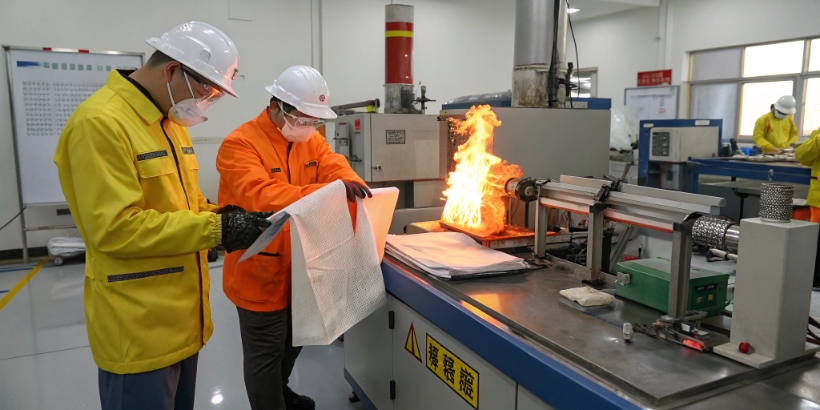
When working with factories, I demand detailed material declarations and, more importantly, third-party lab test reports for all components that might contain these substances. We focus on common culprits like plasticizers (phthalates) in soft plastics, heavy metals in paints/coatings, and azo dyes in fabrics.
Mistakes I saw: A common mistake is for buyers (and sometimes factories) to receive a general "REACH compliant" declaration from a material supplier and assume it covers everything. Often, these declarations are very broad and don’t specifically address the SVHCs or Annex XVII restrictions most relevant to baby products. Another mistake is only testing the final product, which might not catch issues with individual components that could be problematic.
What factories usually hide: Not intentionally "hiding," but they might not have full transparency down their own supply chain regarding the exact chemical composition of materials from their sub-suppliers. They might also try to cut costs by using cheaper dyes or plastics that contain restricted substances, hoping it won’t be caught.
How buyers should check:
- Demand specific test reports: Ask for third-party lab reports (from accredited labs) that test for the specific SVHCs and Annex XVII restricted substances relevant to each material type (e.g., phthalates for plastics, heavy metals for coatings, azo dyes for textiles).
- Supplier declaration validation: Don’t just accept a general declaration. Understand its scope. A declaration means little without supporting test data.
- Focus on high-risk components: Prioritize testing for soft plastics (handles, toys, straps), textiles (seats, canopies), paints/coatings (frames, logos), and metal parts (surface treatments).
Here’s a simplified view of common REACH concerns for baby products:
| Material Type | Common REACH Concerns | Relevant Restrictions/SVHCs |
|---|---|---|
| Plastics (soft) | Phthalates, BPA, other plasticizers | Annex XVII, SVHC Candidate List |
| Textiles | Azo dyes, flame retardants, PFAS | Annex XVII, SVHC Candidate List |
| Paints/Coatings | Heavy metals (Lead, Cadmium), phthalates | Annex XVII |
| Metal Components | Nickel release, Cadmium, Lead | Annex XVII |
How does RoHS apply to baby products like strollers and high chairs?
RoHS stands for the Restriction of Hazardous Substances in Electrical and Electronic Equipment. As its name suggests, it specifically targets hazardous substances found in electronic and electrical products. These substances include lead, mercury, cadmium, hexavalent chromium, polybrominated biphenyls (PBB), and polybrominated diphenyl ethers (PBDE), as well as four phthalates (DEHP, BBP, DBP, DIBP).
How I handle this in real business: For a purely mechanical stroller or high chair with no electronic functions, RoHS typically does not apply. However, many modern baby products do incorporate electronics. Think about a stroller with an integrated light, a musical toy attached to a high chair tray, or a battery-operated vibration unit in a rocker. In these cases, the electronic component itself (and its wiring, circuit board, casing, etc.) must be RoHS compliant. The rest of the non-electronic product does not.
My process is to first identify any electronic or battery-operated parts. For these specific components, we require the supplier to provide a Declaration of Conformity (DoC) and supporting test reports (from an accredited lab) proving compliance with the ten restricted substances under RoHS. This often means working with the sub-supplier of that electronic module, as the stroller factory itself might just integrate it.
Mistakes I saw: Two common mistakes:
- Over-application: Buyers sometimes mistakenly think the entire stroller needs to be RoHS compliant, which is not true if there are no electronic parts. This can lead to unnecessary testing and cost.
- Under-application: Ignoring RoHS entirely because "it’s a stroller, not electronics." This is dangerous if there’s an integrated electronic toy or feature. That small component, if non-compliant, can still cause a product recall.
What factories usually hide: They might not be aware of RoHS requirements for specific electronic components they source, or they might assume the component supplier’s basic certificate is sufficient without verifying the testing scope.
How buyers should check:
- Identify EEE components: Clearly identify any parts of your baby product that fall under the definition of Electrical and Electronic Equipment (EEE). If it has a battery, a plug, or circuitry, it’s EEE.
- Request supplier DoC and test reports: For those specific EEE components, demand a Declaration of Conformity (DoC) and comprehensive test reports for all 10 RoHS substances from the component’s manufacturer.
- Verify scope: Ensure the test report covers all relevant parts of the electronic module.
What are the key differences between REACH and RoHS that I need to understand for my products?
While both REACH and RoHS aim to protect health and the environment by controlling chemicals, their scope and mechanism are quite different. Understanding these differences is key to effective compliance management.
How I handle this in real business: I always explain to buyers that these are two distinct regulatory frameworks. REACH is broad, affecting almost everything, while RoHS is highly specific to electronic products. I make sure our testing plans reflect this. For a standard stroller, our testing budget and focus will heavily lean towards REACH for all its materials. If that stroller then gets a small, battery-operated music box, we’ll add a specific RoHS test for only that music box. We don’t just do one big test for "chemicals"; we break it down by material, component, and the specific regulation it needs to meet.
Mistakes I saw: Many people conflate the two, thinking if they comply with one, they comply with the other. Or they struggle to differentiate which regulation applies to which part of their complex product.
What factories usually hide: Factories might deliberately or inadvertently try to combine certificates, or claim a material is "universally compliant" when it’s only been tested for a very narrow scope.
How buyers should check:
- Ask specific questions: Don’t just ask "Is it compliant?" Ask "Is it compliant with REACH for SVHCs and Annex XVII, specifically for these phthalates in the plastic?" and "If it has electronics, is the electronic module compliant with RoHS for the 10 restricted substances?"
- Educate yourself: A basic understanding of the two regulations will empower you to ask the right questions and evaluate factory responses critically.
Here’s a clear comparison:
| Feature | REACH (Registration, Evaluation, Authorisation and Restriction of Chemicals) | RoHS (Restriction of Hazardous Substances in Electrical and Electronic Equipment) |
|---|---|---|
| Scope | All chemicals in all products placed on the EU market. | Specific hazardous substances in Electrical and Electronic Equipment (EEE). |
| Product Focus | Any product (strollers, high chairs, furniture, textiles, toys, etc.) | Products requiring electric current or electromagnetic fields to function. |
| Substances | Thousands of chemicals, including SVHCs and those on Annex XVII (e.g., certain phthalates, heavy metals, azo dyes, formaldehydes, PFAS) | 10 specific substances (Lead, Mercury, Cadmium, Hexavalent Chromium, PBB, PBDE, DEHP, BBP, DBP, DIBP) |
| Mechanism | Registration of chemicals, evaluation of data, authorization for use, restriction/ban of certain substances | Restriction/ban of specific substances in EEE components above threshold limits |
| Primary Goal | Improve human health and environmental protection from risks of chemicals | Reduce environmental impact of EEE waste and protect human health during EEE handling |
How can I effectively test for these chemical compliances?
Effective testing for chemical compliance is about being strategic and thorough, not just doing a single, expensive test at the end.
How I handle this in real business: My approach is always to use accredited, independent third-party laboratories. We work with well-known labs like SGS, Intertek, Bureau Veritas, or TUV.
- Material-specific testing: We don’t test the whole stroller for everything. We identify each different material (e.g., plastic handle, metal frame coating, fabric seat, rubber wheels) and test it for the specific chemicals it’s likely to contain and that are relevant under REACH. For example, plastic parts will be tested for phthalates and BPA, textiles for azo dyes and certain flame retardants, and coatings for heavy metals.
- Representative sampling: We establish clear sampling plans. For initial production, we test samples from the first batch of each material. For ongoing production, we implement periodic re-testing, especially if there are any changes in material suppliers or formulations.
- Component-level testing: For products with electronics, we isolate the electronic module and test it specifically for RoHS compliance, often asking the electronic component supplier for their full DoC and test reports, which we then verify.
- Reviewing test reports: It’s not enough to just get a "pass" report. I personally review the test reports to ensure:
- The lab is accredited.
- The test method used is appropriate for the substance and material.
- The tested limits match the regulatory requirements for the target market.
- The sample description matches the actual material used in production.
Mistakes I saw:
- Reliance on outdated reports: Factories showing reports that are years old or for a slightly different material.
- Internal factory tests: Some factories claim to do chemical tests in-house. While their QC is good, for compliance, independent verification is almost always necessary.
- Testing too broadly/narrowly: Testing an entire stroller for every single SVHC can be prohibitively expensive and unnecessary. On the other hand, only testing for 2-3 common chemicals leaves huge gaps. It’s about targeted, risk-based testing.
What factories usually hide: The true cost of comprehensive, ongoing chemical testing. They might push back on frequent re-testing of materials, or suggest their own internal (unaccredited) lab reports are sufficient.
How buyers should check:
- Specify labs: Name the accredited labs you want them to use.
- Define testing scope: Provide a clear list of chemicals and limits for each material type.
- Demand fresh reports: Require recent test reports for current production batches.
- Understand lead times: Chemical testing takes time. Build this into your production schedule.
How we actually help buyers reduce these risks
At Anhui Windmill, chemical compliance is a core part of our quality assurance. We treat REACH and RoHS not as an afterthought, but as fundamental requirements for any baby product we source or manufacture.
First, we conduct an exhaustive material and component risk assessment for your specific product design. We identify every material and component, categorizing its potential chemical risks under REACH. If your product has any electrical or electronic features, we flag those immediately for RoHS compliance.
We then work with the factory’s purchasing and R&D teams to verify their material suppliers. We insist on detailed material safety data sheets and existing chemical test reports. If these aren’t sufficient or up-to-date, we don’t hesitate. We immediately engage our network of internationally accredited third-party laboratories (SGS, Intertek, etc.) to perform targeted, material-specific chemical testing. This includes testing for relevant SVHCs and Annex XVII substances under REACH for all non-electronic parts, and for the 10 restricted substances under RoHS for any EEE components.
Throughout production, we implement a robust re-testing schedule, especially for high-risk materials or if there are any changes in the supply chain. We don’t just collect reports; our in-house experts review every single test report to ensure it’s valid, accurate, and covers the correct regulatory scope for your target market. By proactively managing this complex landscape of chemical regulations, we ensure that your baby strollers and high chairs are not just mechanically safe, but also chemically compliant, protecting your brand and, most importantly, the end-users.
Conclusion
Navigating the chemical compliance landscape for baby products, particularly for the EU market, can feel like a minefield. Both REACH and RoHS are vital, but they serve different purposes and apply to different aspects of your product. REACH is your all-encompassing chemical safety net for every material, while RoHS specifically guards against hazardous substances in any integrated electronics. Understanding these distinctions, and implementing a rigorous testing and verification process with experienced partners on the ground, isn’t just about avoiding penalties – it’s about building trust and ensuring that the baby products you bring to market are genuinely safe for the little ones who will depend on them.