I clearly remember the first stroller I ever bought.
At that time, I already worked in the baby product export industry, and I had visited more than 50 stroller factories. Still, when it came to choosing one for my own child, I hesitated.
City use or travel use?
Compact or stable?
Lightweight or durable?
Later, after having two children and handling many buyer complaints, returns, and even recalls, I realized something very simple: most stroller problems happen because buyers mix city logic with travel logic.
This article is how I explain it to real procurement managers and brand buyers today.
Direct answer:
City strollers and travel strollers are designed for very different risks, usage frequency, and compliance focus. If you choose based only on weight or price, you will likely face returns, bad reviews, or safety issues.
| Usage Scenario | City Stroller Focus | Travel Stroller Focus |
|---|---|---|
| Daily frequency | Very high (every day) | Occasional or short trips |
| Key risk | Frame fatigue, wheel wear | Folding failure, damage |
| Weight | Secondary | Critical |
| Suspension | Important | Often simplified |
| Compliance focus | Durability + stability | Folding + lock safety |
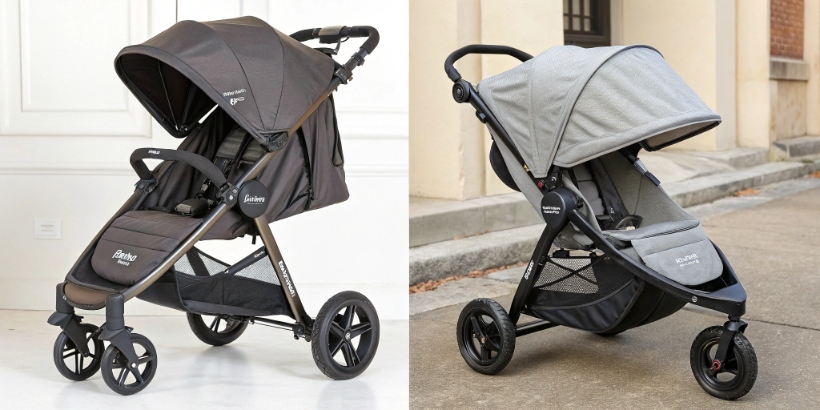
What is the biggest mistake buyers make when choosing city vs travel strollers?
In my experience, the biggest mistake is assuming one stroller can do everything well.
Many buyers tell me:
“We want one model for city parents and travelers. Can you make it lighter and cheaper?”
This request sounds reasonable, but in factories, this is where problems start.
For city use, a stroller must survive:
- Daily curbs
- Uneven sidewalks
- Repeated folding
- Heavy diaper bags
For travel use, a stroller must survive:
- Airport handling
- Cabin-size folding
- Fast open-close cycles
- Overhead bin pressure
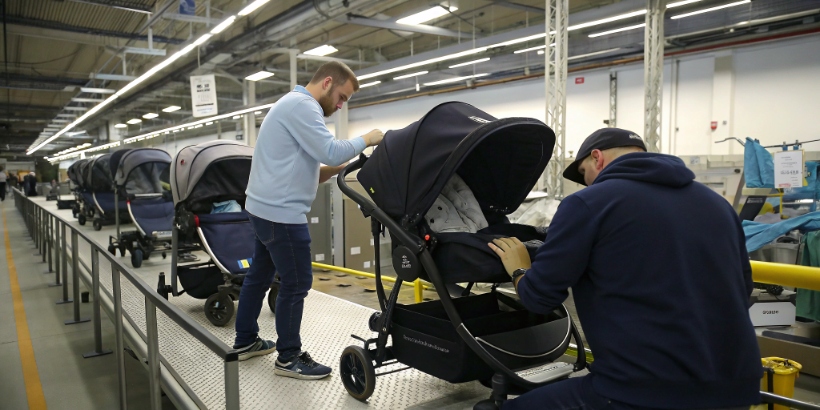
Factories often hide one thing: they optimize for the test, not for real life.
I have seen factories:
- Reduce tube thickness to meet weight targets
- Remove suspension parts to cut cost
- Pass EN 1888 static tests but fail after 3 months of use
For buyers, this means:
- City parents complain about shaking wheels
- Travel users complain about broken folding locks
How I check this in real business:
- I ask for fatigue test videos, not just reports
- I check wheel core material (nylon vs PP)
- I simulate real curb impact, not lab-flat surfaces
👉 You can read another article here:
Why Do strollers tip over/
How should buyers evaluate stroller frames for city use vs travel use?
Frame design is where city and travel strollers truly separate.
In factories, we call this “load logic.”
City stroller frame logic
City strollers carry:
- Heavier babies over time
- Shopping bags
- Daily vibration stress
So the frame needs:
- Thicker aluminum tubes
- Better welding points
- Wider wheelbase
I’ve seen buyers choose slim frames because they look “modern.”
Six months later, they face warranty claims for frame deformation.
Travel stroller frame logic
Travel strollers focus on:
- Compact folding
- Single-hand operation
- Light carry weight
Factories achieve this by:
- Using thinner tubes
- Adding more joints
- Increasing plastic connectors
This is acceptable only if folding locks are strong.
Factory reality buyers should know:
- Joint quantity increases failure risk
- Plastic hinge quality varies a lot
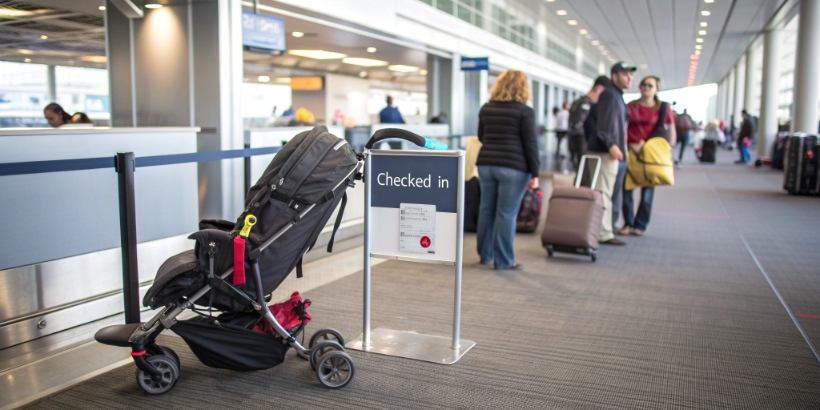
- Cheap locking pins pass tests but fail in airports
| Frame Aspect | City Use Priority | Travel Use Priority |
|---|---|---|
| Tube thickness | High | Medium |
| Joints count | Low | High |
| Lock mechanism | Medium | Very high |
| Long-term fatigue | Critical | Medium |
👉 Related reading:
How to evaluate stroller frame strength and stability
How important are wheels and suspension for city vs travel strollers?
This is where many procurement managers underestimate risk.
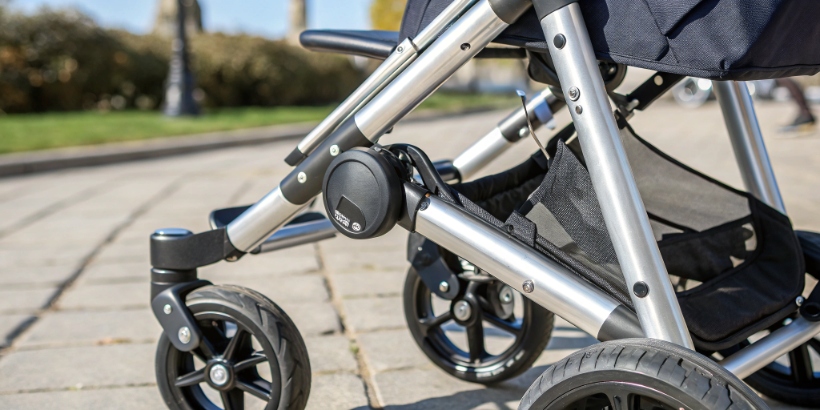
For city strollers, wheels are not accessories. They are safety parts.
City environments include:
- Pavement gaps
- Drain covers
- Speed bumps
If suspension is weak:
- Baby comfort drops
- Frame stress increases
- Parents feel instability
In factories, suspension is expensive.
So suppliers often:
- Use fake springs (decorative)
- Reduce spring diameter
- Replace PU wheels with EVA foam
For travel strollers:
- Suspension is often simplified
- Small wheels are accepted
- But bearing quality matters
I once handled a case where:
- A travel stroller passed EN tests
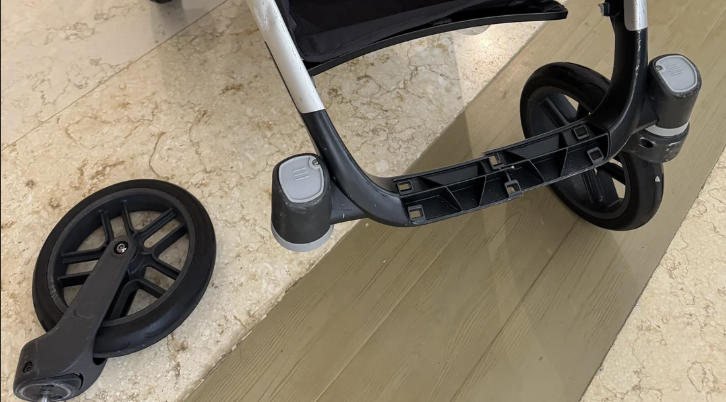
- But airport luggage handling cracked the wheel hub
- The buyer faced a social media backlash
How buyers should check wheels:
- Ask wheel material certificates
- Spin-test bearings after salt spray exposure
- Check wheel removal structure
👉 Another useful article:
Common-stroller-recall-reasons-and-how-buyers-can-prevent-them
What compliance differences matter for city vs travel strollers?
Many buyers think:
“If it passes EN or ASTM, it’s fine.”
That is dangerous thinking.
Both EN 1888 and ASTM F833 cover:
- Stability
- Locking systems
- Brake function
But compliance focus shifts based on use case.
City stroller compliance risks:
- Long-term fatigue
- Brake durability
- Handle strength
Travel stroller compliance risks:
- Folding lock reliability
- Secondary lock presence
- Accidental unfolding prevention
Factories will rarely tell you:
- Which clauses are “borderline”
- Which tests passed with minimal margin
In my audits, I always:
- Review internal pre-test failures
- Check corrective actions
- Compare lab data vs factory test logs
This is how buyers avoid “paper compliance.”
👉 You may also like:
EN1888 vs ASTM: What Stroller Buyers Often Misss
How we actually help buyers reduce these risks
At Anhui Windmill, we don’t start from price.
We start from usage reality.
When a buyer asks for a stroller, I always ask:
- City frequency or travel frequency?
- Target parent lifestyle?
- Expected service life?
Then we:
- Shortlist factories by category strength
- Audit welding lines and hinge assembly
- Run sample abuse tests beyond standards
- Match compliance logic to sales markets
I’ve personally rejected factories that:
- Passed tests but failed fatigue logic
- Hid internal complaints
- Changed materials after sampling
Because I know one recall can destroy a brand faster than any competitor.
Conclusion
City strollers and travel strollers solve different problems.
Trying to force one model to do both usually creates risk.
If buyers choose based on real usage, factory reality, and compliance logic, problems drop fast.
Edited by Sherry on 2026-01-17
This article is part of our Baby Stroller Safety & Selection Hub, where I explain how buyers can reduce risk and avoid recalls. Hub Backlink