You see significantly lower prices from Hebei factories for baby products. This huge cost difference raises questions. Why are these prices so much lower? Is there a hidden catch?
Hebei factories often offer lower prices due to significantly reduced operational costs. This includes lower labor wages in rural areas, less investment in compliant factory infrastructure and safety, and simplified management structures, all contributing to a cheaper final product.

The price difference is striking, but it is not just about raw materials. There are many unseen factors that impact the final cost. Let’s delve into what truly drives these lower prices in Hebei.
Do lower labor costs really make a big difference in Hebei factory prices?
You wonder if village labor costs truly impact production this much. Can a few dollars saved per worker really change the final price?
Yes, lower labor costs in Hebei’s rural areas significantly reduce manufacturing expenses. Factories in villages can pay lower wages compared to more industrialized regions, directly translating to cheaper production costs for items like strollers and high chairs.
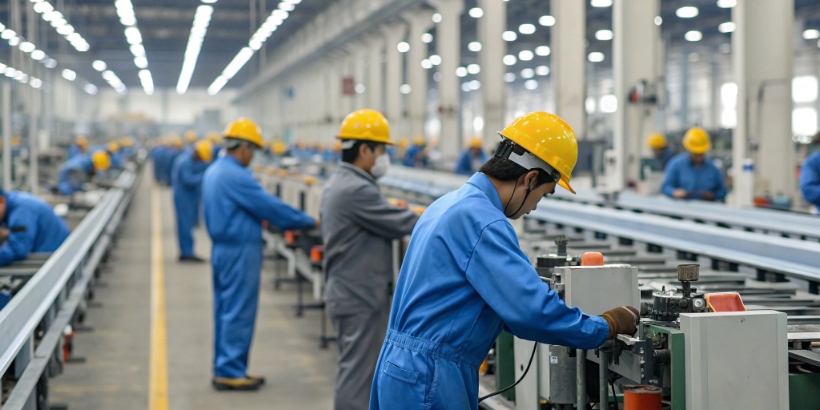
With the global economic downturn, customers and consumers are looking for lower-priced, more cost-effective products, and products from Hebei have emerged as a result.
My experience in this industry has shown me how much labor costs affect a product’s final price. In Hebei, many factories are located in rural villages. This means they can access a labor force that accepts much lower wages than those in provinces like Zhejiang or Guangdong. For example, a worker in a Hebei village factory might earn a fraction of what a worker in a modern Guangzhou facility does. This difference in pay accumulates quickly across an entire production line, significantly reducing the per-unit cost of products like baby strollers, high chairs, and children’s electric vehicles. This wage disparity is a primary driver of the lower prices you see.
Beyond just wages, these factories often have incredibly streamlined organizational structures. I have seen situations where one owner manages almost everything. This means they do not have separate security guards, quality managers, export managers, financial directors, or warehouse supervisors. One person often wears many hats, performing multiple critical roles simultaneously. This cuts down on significant overhead expenses, as there are fewer salaries to pay and fewer departments to maintain. A factory manager might handle all aspects, from sourcing raw materials to overseeing the entire production process and even coordinating shipments. This lean approach reduces administrative costs drastically. While this can make operations very flexible and responsive to market demands, it also means there are fewer dedicated checks and balances in place. It centralizes many responsibilities onto a single individual or a very small team, potentially leading to increased workload and, at times, inconsistencies. This model definitely helps keep prices remarkably low. However, it can also lead to variations in quality or communication. At Anhui Windmill Imp. & Exp. Co., Ltd., we prioritize working with factories that balance cost-effectiveness with robust operational structures to ensure consistent quality and reliable service for our customers. This structured approach helps prevent unforeseen issues.
Rural Wage Advantage
- Location Impact: Factories in Hebei’s villages benefit from lower living costs, allowing for lower wage expectations from workers.
- Competition: Less competition for skilled labor compared to coastal manufacturing hubs.
- Direct Cost Savings: Every dollar saved per worker translates directly into a lower per-unit production cost.
Lean Management Model
- Multi-Role Owners: Single individuals often perform many management functions.
- Reduced Staffing: Fewer dedicated roles for QC, export, finance, or security.
- Lower Overhead: Significant savings on salaries and benefits for administrative and support staff.
| Cost Factor | Hebei Village Factories | Major Industrial Regions (e.g., Zhejiang) | Cost Impact on Product |
|---|---|---|---|
| Average Labor Wage | Significantly lower | Higher, due to urbanization and demand | Large reduction |
| Dedicated QC Managers | Often combined with other roles | Standard, dedicated role | Moderate reduction |
| Export/Sales Managers | Often owner or small team | Dedicated department | Moderate reduction |
| Administrative Staff | Minimal | More extensive | Moderate reduction |
| Overall Overhead Savings | Very High | Moderate | Significant |
Do Hebei factories skimp on safety and environmental standards, and does it lower prices?
You wonder if cheaper prices mean safety is compromised. Are these factories cutting corners on crucial standards and environmental care?
Yes, lower prices in Hebei often reflect reduced investment in factory safety and environmental compliance. Many facilities lack proper fire safety, skip employee health checks, and may not report waste treatment, contributing to significant cost savings at the expense of safety and environment.
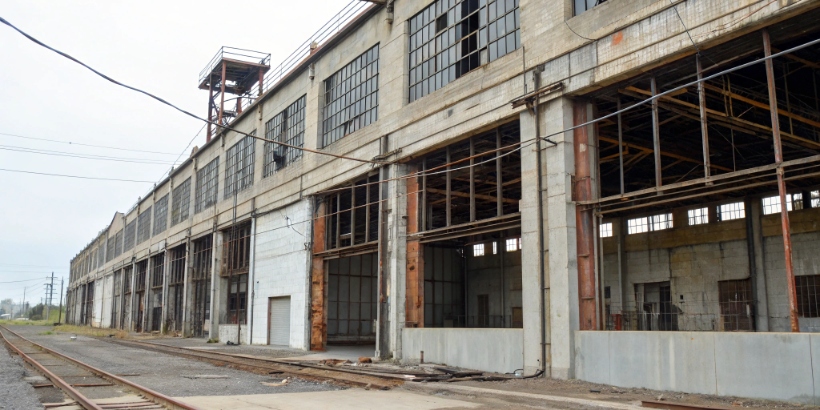
From what I have observed, many factories in Hebei operate in non-standard buildings. These are often makeshift structures, not purpose-built industrial facilities. This immediately saves a huge amount of money on construction and maintenance. However, this comes with significant risks. I have personally seen factories where basic fire safety measures are almost non-existent. There are often no fire hydrants, too few fire extinguishers, unclear safety exits, or working fire alarms. These are all crucial for worker safety. Properly installing and maintaining such systems, along with regular inspections, is expensive. Skipping them cuts costs directly. This choice to forego essential safety infrastructure means less capital expenditure for the factory.
Moreover, local authorities often do not strictly enforce these regulations. Their focus often leans towards boosting GDP and local employment. This means factories can operate without meeting the safety and environmental standards that would be strictly enforced in other, more developed manufacturing hubs. I have also noticed that many Hebei factories do not conduct annual occupational health examinations for their employees. They also do not provide reports on waste treatment. Both occupational health and environmental compliance require significant investment in processes, equipment, and reporting. Neglecting these areas, while unethical, allows factories to significantly reduce their operational expenses. This contributes directly to the lower prices they offer to you. These savings, however, come at a cost to worker welfare and environmental protection, creating potential long-term liabilities. My company, Anhui Windmill Imp. & Exp. Co., Ltd., values transparent and ethical manufacturing. We actively seek out partner factories with BSCI and Sedex certifications that demonstrate a commitment to social responsibility and environmental protection. This ensures the products we offer meet high ethical and safety benchmarks, providing peace of mind for our customers.
Substandard Infrastructure
- Building Quality: Use of informal or makeshift structures instead of compliant industrial buildings.
- Reduced Capital Outlay: Significant savings on construction, permits, and upkeep.
- Safety Implications: Higher risks due to structural instability or lack of purpose-built features.
Neglect of Safety & Environmental Compliance
- Missing Fire Safety: Absence of hydrants, alarms, clear exits, or sufficient extinguishers.
- No Health Exams: Skipping annual occupational health checks for employees.
- Unreported Waste: Minimal or undocumented waste treatment processes.
- Lax Enforcement: Local government priorities sometimes overlook strict adherence to regulations.
| Compliance Area | Hebei Factory Practice (often) | Standard Practice (e.g., in certified factories) | Cost Implication | Risk Implication |
|---|---|---|---|---|
| Factory Building Type | Non-standard, makeshift | Purpose-built industrial facilities | Significant saving | High safety risk |
| Fire Safety Equipment | Often lacking or inadequate | Comprehensive (hydrants, alarms, exits) | Moderate saving | High safety risk |
| Occupational Health | Often skipped | Regular employee health exams | Moderate saving | Worker health risks |
| Waste Treatment | Often minimal or unreported | Documented, environmentally sound processes | Moderate saving | Environmental harm |
| Regulatory Fines | Less frequent | More stringent enforcement, potential fines | Reduced costs | Legal/reputational |
How do less frequent factory audits affect product prices and quality from Hebei?
You wonder about product quality when factories are not regularly checked. Does the lack of audits truly affect pricing and what you get?
Less frequent third-party factory audits in Hebei contribute to lower prices by reducing compliance costs. This lack of external oversight, however, can lead to inconsistencies in product quality, safety standards, and ethical practices, increasing risks for buyers.
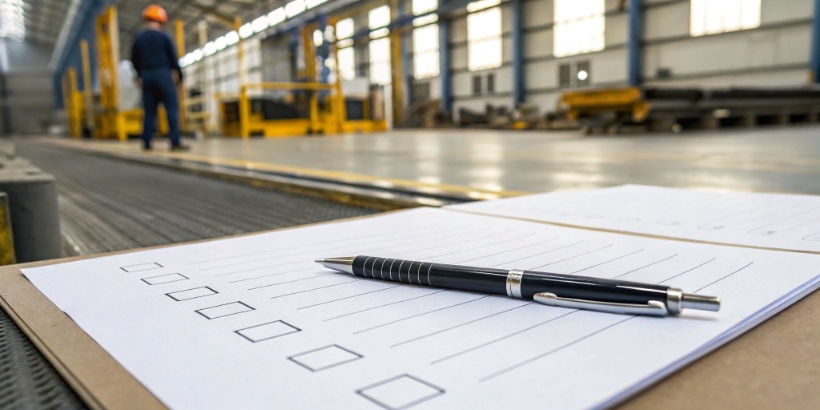
Third-party factory audits are a critical tool for ensuring quality, safety, and ethical manufacturing practices. These audits cost money and require factories to maintain high standards consistently, including documentation, process control, and worker welfare. In Hebei, these external audits are much less frequent. This directly reduces the factory’s operational costs. They do not have to spend as much time and resources preparing for inspections or implementing corrective actions from audit findings. This saving contributes significantly to their ability to offer lower prices. However, this also creates a major risk for buyers. Without regular independent verification, it becomes much harder to trust the factory’s claims about quality control, labor practices, and environmental standards, making it harder for you to vet them thoroughly.
What I have also personally seen is that many seemingly legitimate companies, those with their own audited factories, sometimes outsource production to these cheaper Hebei factories. They do this to meet aggressive price targets or handle overflow orders during peak seasons. I have even witnessed Disney-branded products being manufactured in very basic, rudimentary factory buildings located in Hebei villages. This outsourcing model means that a product might carry the brand name of a reputable company, but its actual manufacturing conditions and quality control might be far below expectations. Buyers who think they are getting a product from a fully compliant factory might unknowingly be receiving goods produced in less controlled environments. This makes thorough due diligence even more important for you. At Anhui Windmill Imp. & Exp. Co., Ltd., our focus is on building long-term relationships with factories that uphold consistent quality and ethical standards, regardless of price pressures. We work with partners holding recognized certifications, like BSCI, Sedex, and EN1888, ensuring transparency in the supply chain and giving you confidence in every purchase. This diligence minimizes your worries about unexpected quality issues.
Cost of Audit Compliance
- Audit Fees: Direct cost savings by avoiding regular third-party audit payments.
- Preparation Costs: Reduced spending on resources, documentation, and staff time needed for audits.
- Corrective Action Expenses: Less investment in improvements required by audit findings.
Risks of Limited Oversight
- Inconsistent Quality: Without regular checks, product quality can fluctuate without notice.
- Hidden Safety Issues: Undetected defects or non-compliance with safety standards.
- Ethical Concerns: Potential for questionable labor practices or environmental negligence.
Outsourcing Phenomenon
- Price Pressure: Reputable brands outsource to meet market price demands.
- Capacity Management: Using cheaper factories for overflow or specific low-cost products.
- Buyer Vulnerability: Products with a known brand might come from unverified production sites.
| Audit Aspect | Hebei Factory Practice (often) | Standard Practice (e.g., in reputable factories) | Implication for Price | Implication for Buyer Risk |
|---|---|---|---|---|
| Frequency of Audits | Less frequent, often none | Regular (e.g., annual, biannual) | Lower cost | Higher risk of non-compliance |
| Cost of Audit Compliance | Minimal | Significant (time, resources, improvements) | Lower cost | Higher risk of hidden issues |
| Quality Control Rigor | Varies, less documented | Standardized processes, extensive documentation | Varies | Inconsistent product quality |
| Ethical Practices Check | Less oversight | Assessed via social audits (BSCI, Sedex) | Varies | Higher ethical/reputational risk |
| Transparency | Lower, difficult to verify claims | High, verified by third parties | Lower cost | Reduced trust, harder vetting |
Conclusion
Hebei factories offer lower prices for children’s products due to reduced labor costs, minimal investment in safety and environmental compliance, and less frequent external audits. While attractive, these savings often come with increased risks in quality and ethical oversight.