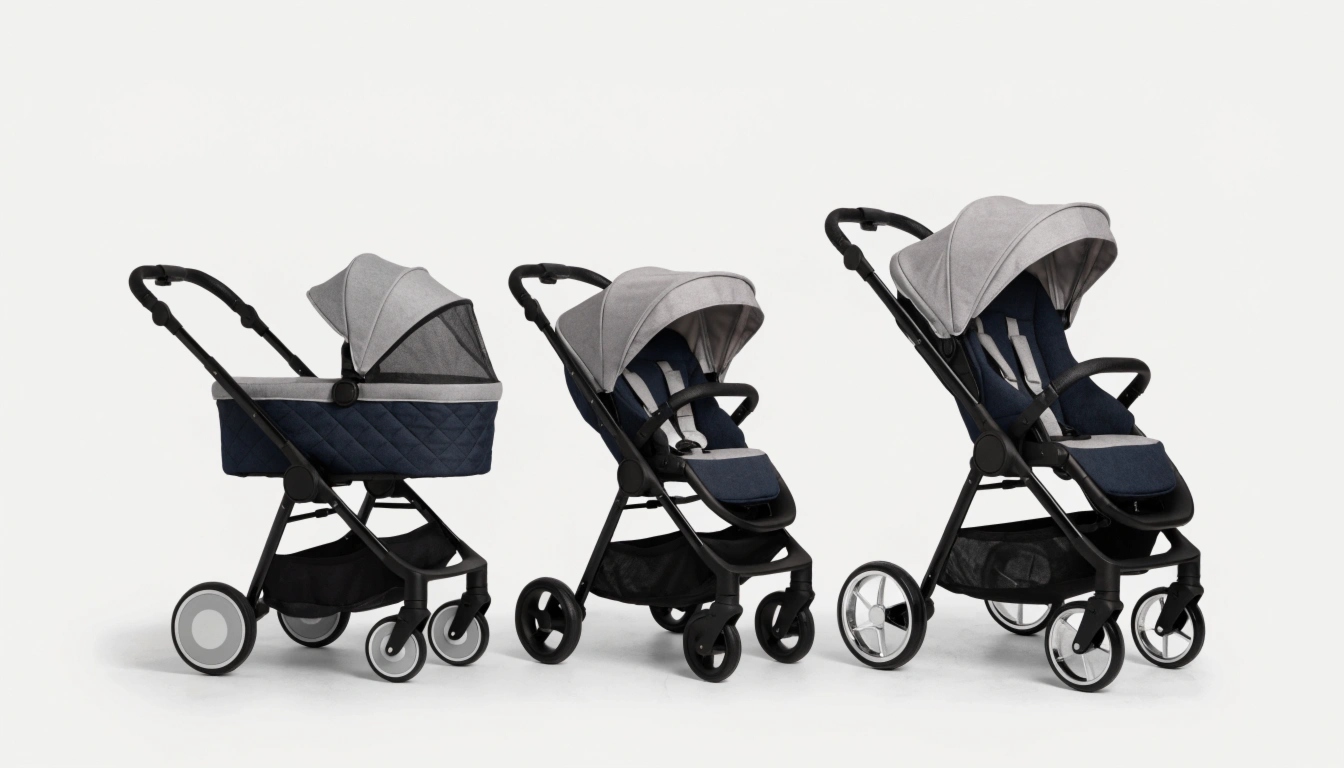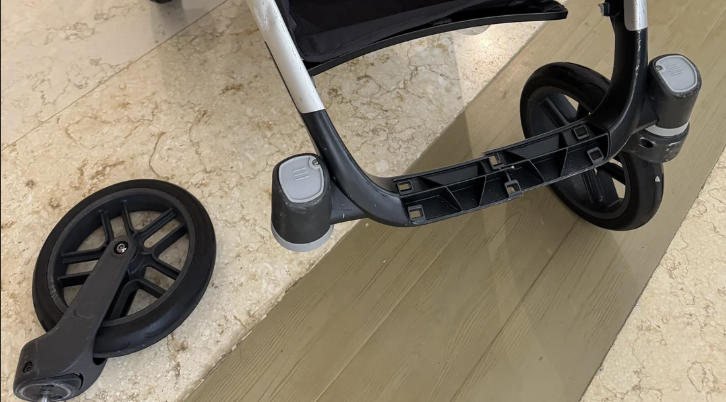
When buyers discuss baby strollers, weight is often treated as a small detail. I have seen this cause problems later. Stroller weight affects safety, stability, shipping cost, and how parents actually use the product.
Most baby strollers weight between 6 kg and 15 kg. Lightweight models focus on portability, while heavier strollers focus on stability, durability, and higher load capacity.
| Stroller Type | Average Stroller Weight | Typical Child Weight Capacity | Best Use Scenario |
|---|---|---|---|
| Ultra-light stroller | 6–8 kg | Up to 15 kg | Travel, short trips, city use |
| Compact travel stroller | 7–10 kg | 15–22 kg | Daily urban use, public transport |
| Standard full-size stroller | 10–13 kg | 22–25 kg | Everyday family use |
| Multi-function stroller | 12–15 kg | 25–30 kg | Long-term use, higher stability needs |
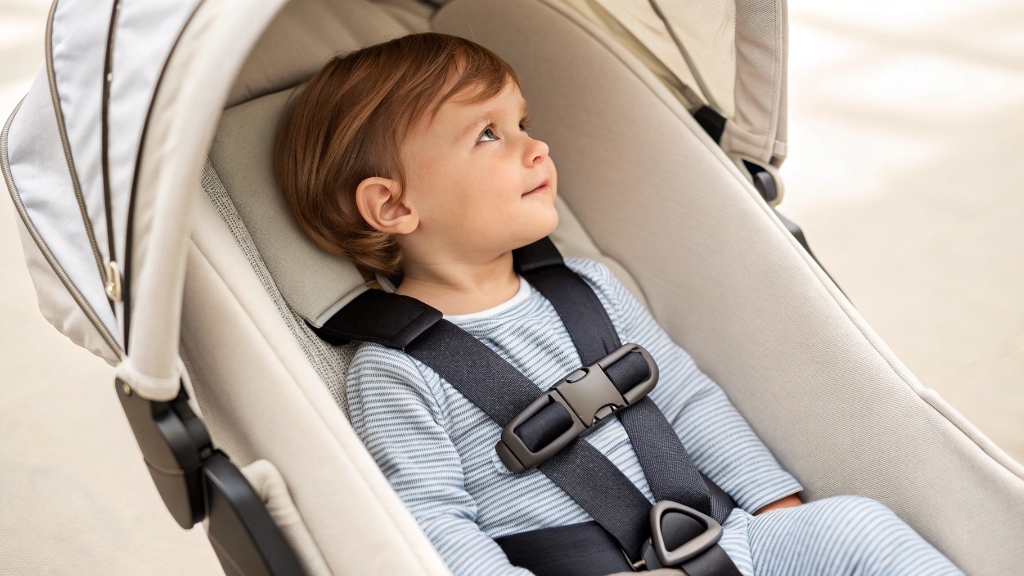
In my experience, stroller weight is never just a number on a spec sheet. It directly connects to how safe the stroller feels, how long it lasts, and how many complaints a brand will face after launch.
How Much Weight Can a Stroller Hold?
Many buyers confuse stroller weight with weight capacity. I see this mistake often, especially with new sourcing teams. These two values are related, but they are not the same.
Most baby strollers are designed to hold between 15 kg and 30 kg of child weight. The real limit depends on frame design, materials, locking systems, and durability testing.
| Market | Common Weight Limit | Typical Age Range | Buyer Risk if Exceeded |
|---|---|---|---|
| EU | 15–22 kg | Up to ~4 years | Structural fatigue |
| US | 22–30 kg | Up to ~5 years | Lock failure risk |
| Global average | Around 22 kg | Mixed markets | Higher return rate |
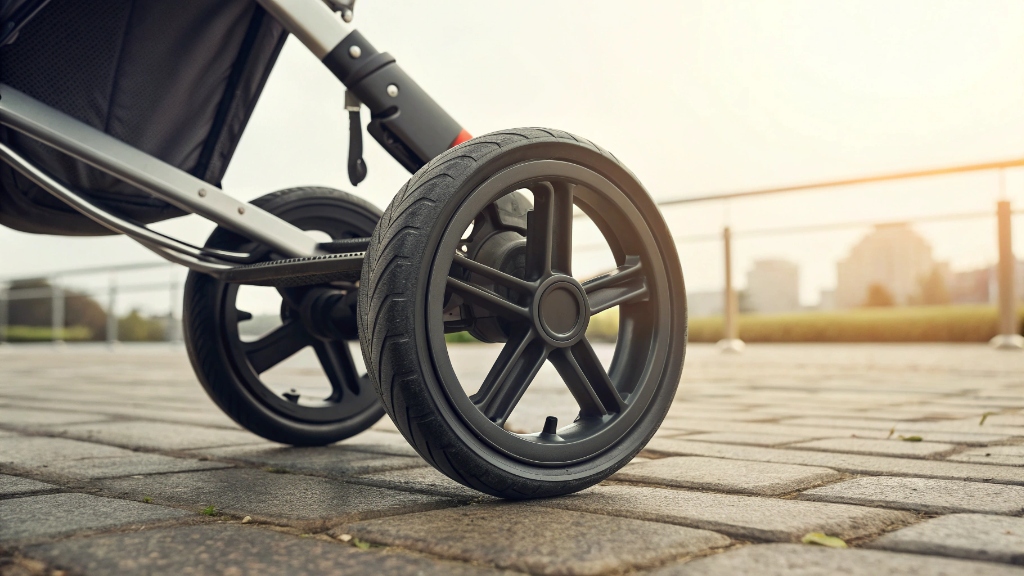
Understanding weight capacity is critical. Overstating this number creates long-term risk for both factories and buyers. In 2026, regulators and platforms are much less forgiving.
Why Stroller Weight and Load Capacity Are Often Misunderstood
This misunderstanding usually starts at the sourcing stage. I have seen buyers select strollers based only on appearance and price. Weight numbers are added later without enough discussion.
Stroller weight vs child load
Stroller weight is the mass of the product itself. Load capacity is the safe limit it can support over time. A heavier stroller does not always mean higher capacity. Design quality matters more.
Common mistakes I see:
- Assuming heavier equals stronger
- Ignoring fatigue after long use
- Trusting marketing claims without test scope
Why overstated capacity becomes dangerous
When a stroller is used above its real limit:
- Frame stress increases
- Locking systems deform faster
- Wheels and axles wear unevenly
- Tipping risk rises
These issues rarely appear during early inspections. They appear after months in real use, which is when recalls begin.
How Frame Materials Affect Stroller Weight and Strength
Frame material choice is the biggest factor behind stroller weight differences. Buyers often focus only on material names, but that is not enough.
Common frame materials in baby strollers
| Material | Relative Weight | Strength | Typical Use |
|---|---|---|---|
| Steel | Heavy | High | Budget models |
| Aluminum | Medium | Good | Mid-range strollers |
| Aluminum alloy | Light | High | Export and premium models |
Aluminum alloy is widely used now because it balances weight and strength. However, thin tubes used only to reduce weight can become a hidden risk.
What I check beyond material name
When I evaluate frames, I focus on:
- Tube diameter and thickness
- Welding quality
- Stress points near folding joints
- Surface treatment durability
These details matter more than material labels on brochures.
How Stroller Weight Influences Stability and Tipping Risk
Stability is one of the first things parents notice. I always test this myself during evaluations.
Why very light strollers tip more easily
Ultra-light strollers often have:
- Higher center of gravity
- Narrower wheelbase
- Less resistance to forward load
This becomes risky when:
- Bags hang on handles
- Children lean forward
- Parents push over curbs
Why heavier is not always better
Heavier strollers feel stable, but they can:
- Frustrate parents
- Increase return rates
- Raise logistics costs
The right balance depends on user behavior, not on extremes.
How Manufacturers Test Weight Capacity in Real Conditions
Weight capacity should never be based on assumptions. It must be verified through testing.
Common tests used by reliable factories
- Static load test
- Rolling fatigue test
- Obstacle impact test
- Folding cycle test
These tests simulate real use over time.
Why passing one test is not enough
Some factories pass only basic static tests. This is not enough. Capacity must hold after:
- Thousands of folding cycles
- Long pushing distances
- Repeated vibration
As a buyer, I always ask for full test scope, not just one report.
Choosing the Right Stroller Weight for Different Markets
There is no perfect stroller weight. There is only the right choice for a specific market.
Typical market preferences
| Market | Preferred Focus |
|---|---|
| Europe | Balance of weight and stability |
| United States | Higher weight capacity |
| Southeast Asia | Lightweight and compact |
| Middle East | Durability and strength |
Understanding this helps buyers avoid mismatched products.
Matching weight to user behavior
Urban users value portability. Suburban users value durability. When buyers ignore this, complaints rise fast.
My Role
I work closely with buyers sourcing baby strollers and children’s products for global markets.
Anhui Windmill Imp. & Exp. Co., Ltd., established in 2019, is built on more than 15 years of industry experience. We cooperate with over 100 long-term partner factories and serve more than 200 customers worldwide, including supermarket chains and local distributors.
Our focus is helping buyers reduce sourcing risk, control quality, and avoid future recalls through practical experience, not marketing promises.
Conclusion
Stroller weight and weight capacity directly affect safety, usability, and long-term product performance. Understanding their relationship helps buyers make better decisions and avoid costly mistakes.
Stroller weight alone does not guarantee safety. Frame structure and locking design play a critical role, which I explain in detail in this guide on stroller frame strength and stability