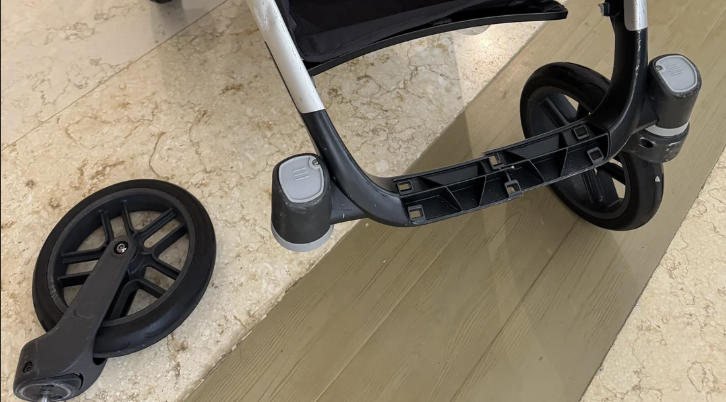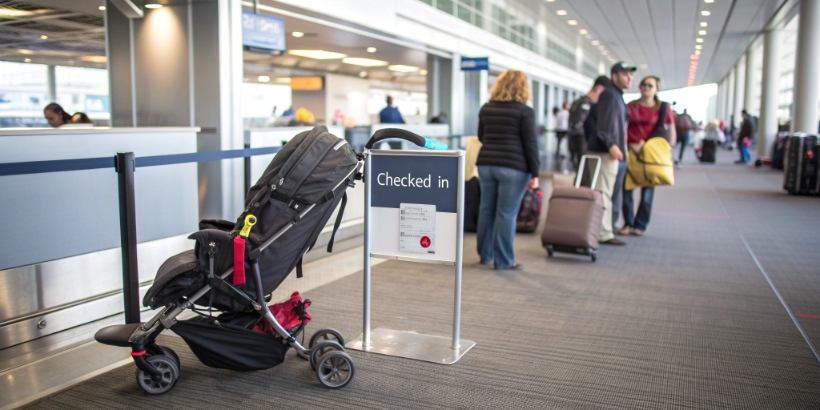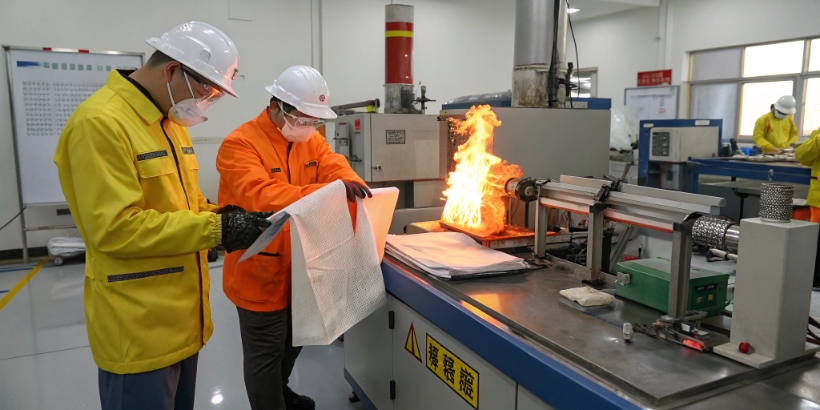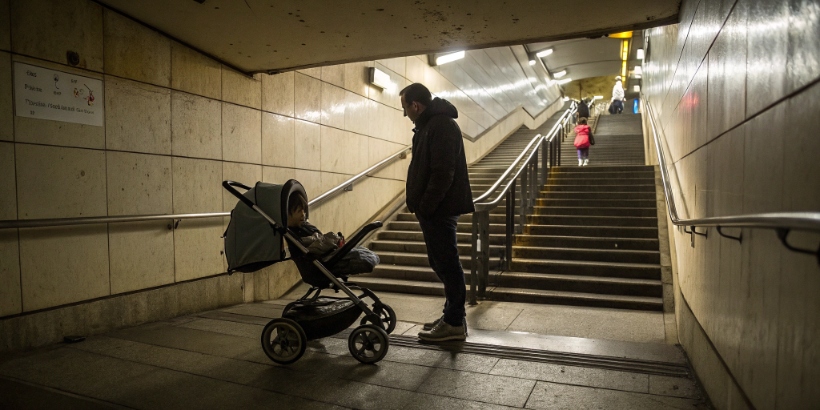
I still remember a shipment that passed factory QC but failed in the market. The design was fine. The tests were valid. But small assembly issues created big complaints. That experience taught me that pre-shipment inspection is the last and most important safety net.
A stroller pre-shipment inspection in 2026 must cover structure, weight capacity, folding safety, stability, materials, and labeling. PSI is the final step that prevents recalls, returns, and buyer disputes.
| PSI Area | Main Check | Risk if Missed |
|---|---|---|
| Frame & structure | Welding, alignment | Breakage, recalls |
| Weight capacity | Load test | Collapse |
| Folding & lock | Lock engagement | Injury |
| Stability | Tip resistance | Accidents |
| Materials | Fabric, plastic | Import rejection |
| Labeling | Compliance labels | Customs issues |
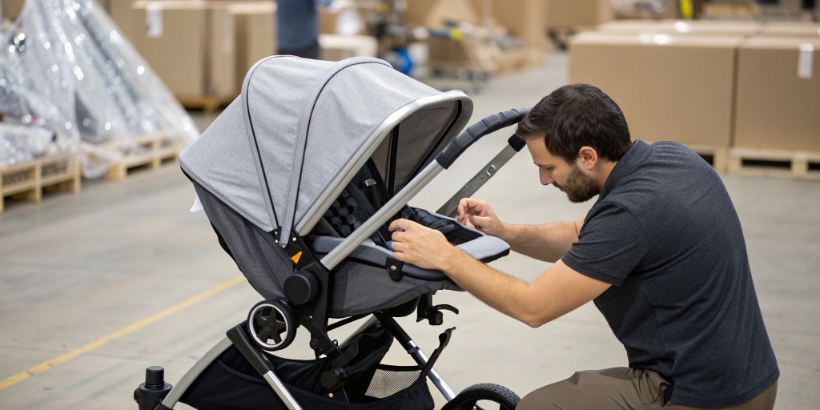
Why PSI is critical for stroller buyers
Many buyers believe factory QC or lab testing is enough. It is not. PSI checks the real production batch, not samples or prototypes.
In my experience, most stroller problems appear at this stage:
- Assembly inconsistency
- Component substitution
- Loose fasteners
- Missing labels
PSI connects directly with earlier sourcing decisions:
- Frame quality → see Frame Strength
- Weight limits → see Stroller Weight
- Tipping risk → see Why Strollers Tip Over
Frame and structure inspection
I always start with structure. If the frame fails, nothing else matters.
Checklist:
- Tube thickness matches approved spec
- Welds are smooth and complete
- No cracks or deformation
- Symmetry between left and right sides
| Check | Method | Acceptance |
|---|---|---|
| Tube thickness | Caliper | As spec |
| Welding | Visual + touch | No sharp edges |
| Frame alignment | Flat surface | No wobble |
Weight capacity and load testing
I never trust markings alone. I request real load testing on finished goods.
Checklist:
- Load applied according to declared capacity
- No bending after test
- Locking and brakes remain functional
This step directly supports:
👉 How Much Does a Stroller Weight and How Much Weight Can It Hold?
Folding, locking, and brake system inspection
This is one of the most common recall triggers.
Checklist:
- Primary lock engages fully
- Secondary lock present
- No accidental collapse
- Brakes hold on slope
| Item | Test | Result |
|---|---|---|
| Folding lock | Repeated fold | Stable |
| Secondary lock | Manual check | Present |
| Brake | Incline test | Holds |
Stability and tipping check
I always simulate real use:
- Push sideways
- Apply uneven load
- Test on slope
This step reinforces:
👉 Why Strollers Tip Over
Material, fabric, and labeling check
Final PSI must confirm:
- Correct fabric and color
- No odor or contamination
- Correct warning labels
- Market-specific compliance marks
| Item | Risk |
|---|---|
| Missing labels | Customs hold |
| Wrong fabric | Chemical failure |
PSI and recall prevention
Most recalls could be avoided with a strict PSI. PSI is the last firewall before shipment.
This article is part of the Baby Stroller Safety & Selection Hub, together with:
- Frame Strength
- Weight Capacity
- Tipping Risk
- Recall Prevention
- Factory Audits
Conclusion
Pre-shipment inspection is not optional for strollers. A strong PSI process protects buyers from recalls, disputes, and long-term brand damage.