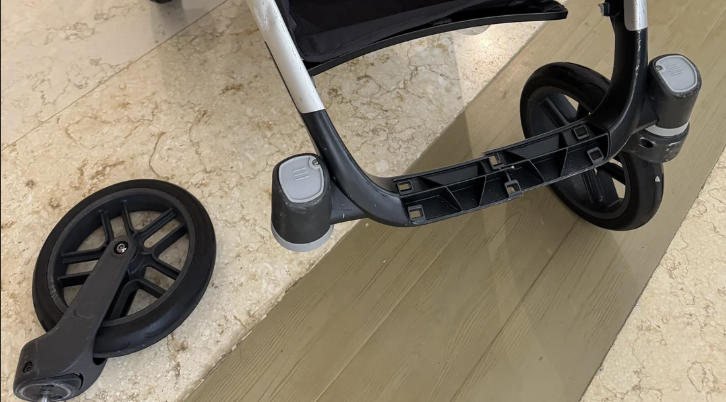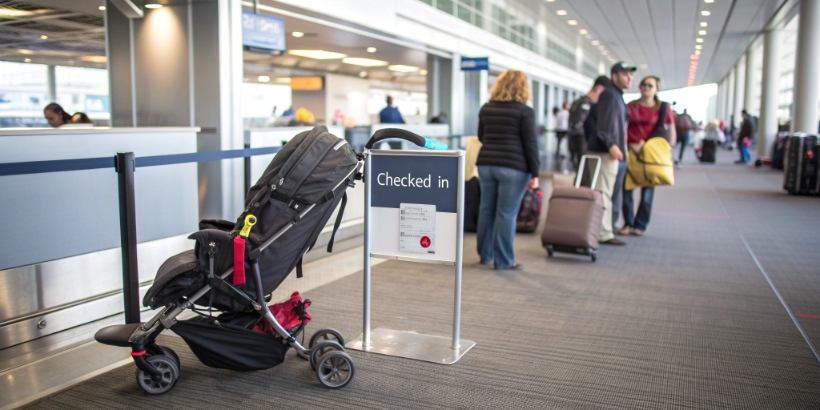
Shopping for a stroller looks easy at first. But once you start carrying it up stairs or lifting it onto public transport, weight becomes a real issue. I learned this the hard way with my first stroller.
Most baby strollers weigh between 12 and 30 pounds. Lightweight strollers are usually under 15 pounds, while full-size and feature-rich strollers often weigh over 25 pounds.
| Stroller Type | Typical Weight (lbs) | Main Features | Best Use Scenario | Portability |
|---|---|---|---|---|
| Umbrella stroller | 10–15 | Simple frame, compact fold | Travel, short trips | Very easy |
| Standard folding stroller | 20–30 | Storage, recline, durability | Daily use, shopping | Moderate |
| High-view stroller | 25–35 | Elevated seat, strong frame | Urban use, premium markets | Lower |
| Travel system (frame only) | 18–28 | Car seat compatible | Newborn to toddler | Moderate |
| Infant car seat (separate) | 7–12 | Vehicle safety | Car travel | Easy |
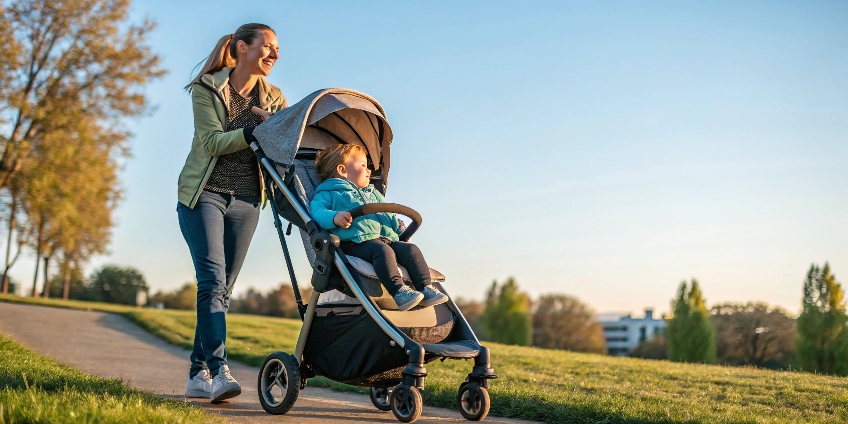
When buyers ignore stroller weight, complaints usually appear after launch. Heavy products increase return rates, especially in cities where stairs and public transport are common.
How Much Weight Can a Stroller Hold?
Weight capacity is just as important as stroller weight. Many buyers focus on how light a stroller feels, but forget how much load it must safely support.
Most baby strollers are designed to carry a total load of 40 to 50 pounds, including the child and items placed in the storage basket.
| Load Component | Typical Range | Buyer Risk If Ignored |
|---|---|---|
| Child weight | Up to 40 lbs | Frame stress, instability |
| Basket load | 5–10 lbs | Tip-over risk |
| Total safe load | 40–50 lbs | Safety complaints |
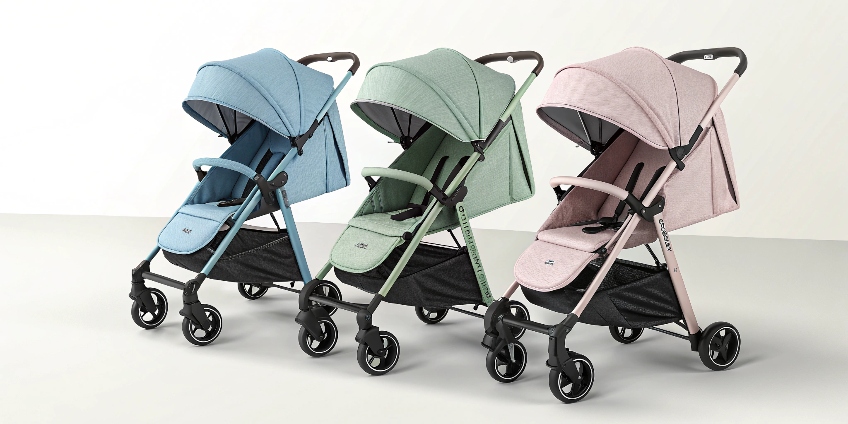
From my sourcing experience, exceeding basket limits causes more stability issues than exceeding child weight limits. This is closely linked to stroller tip-over complaints seen after launch.
What Is Considered a Lightweight Stroller?
Many parents and buyers ask this question, but the definition is often unclear.
A lightweight stroller typically weighs 15 pounds or less and is designed for portability rather than heavy-duty daily use.
| Feature | Lightweight Stroller |
|---|---|
| Weight | ≤ 15 lbs |
| Fold size | Compact |
| Best use | Travel, short trips |
| Trade-off | Less storage, smaller wheels |
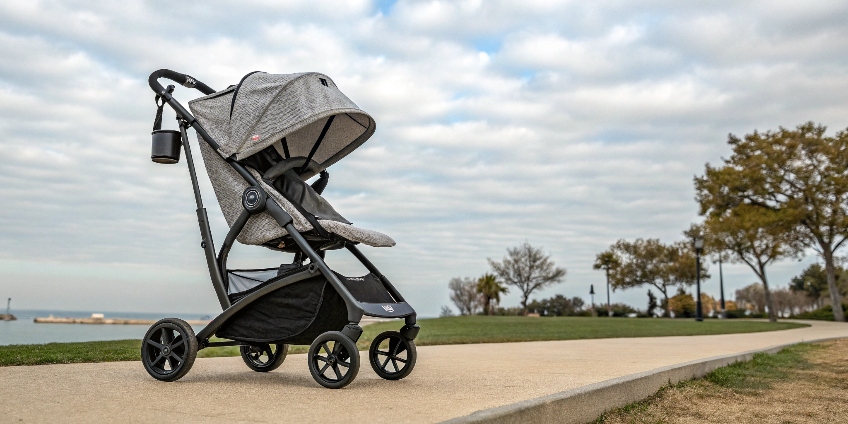
Lightweight strollers reduce user fatigue, but buyers must balance weight with stability and durability. Very light frames often require tighter quality control to avoid long-term issues.
How Much Weight Can a Tri-Fold Stroller Hold?
Tri-fold strollers are popular in export markets because they fold smaller and travel well.
Most tri-fold strollers support a total load of 40 to 50 pounds, similar to standard strollers, despite their compact design.
| Factor | Impact on Stability |
|---|---|
| Child weight | Main load |
| Basket weight | Affects balance |
| Locking system | Critical for safety |
From factory inspections, I have seen tri-fold strollers fail not because of load limits, but because of weak folding locks. This is why frame structure and locking systems must always be evaluated together.
At What Age Should a Child Stop Using a Stroller?
This question affects stroller design decisions and marketing claims.
Most children stop using strollers between 3 and 4 years old, depending on walking ability and daily travel needs.
| Consideration | Why It Matters |
|---|---|
| Walking endurance | Reduces stroller dependency |
| Distance walked | Impacts fatigue |
| Environment | Urban vs suburban use |
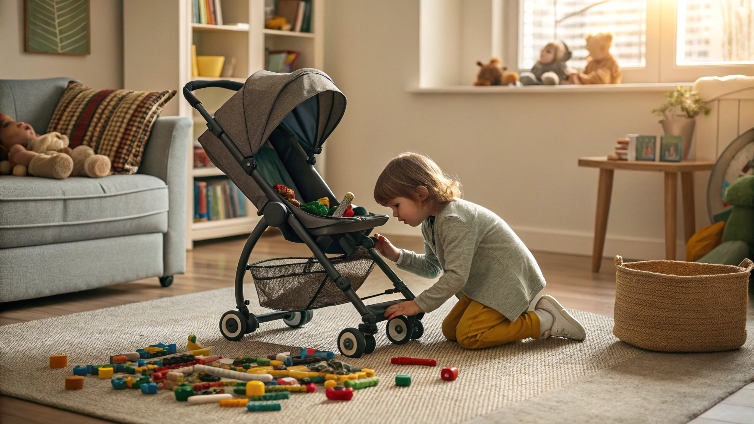
Designing strollers beyond this age range increases weight and size, often without real benefit.
What Is the Average Weight of a Pram?
Prams are designed for newborn comfort, which comes at a cost in weight.
Most prams weigh between 18 and 35 pounds, making them heavier than standard strollers.
| Pram Feature | Effect on Weight |
|---|---|
| Bassinet | Adds weight |
| Frame material | Steel vs aluminum |
| Suspension | Improves comfort, adds mass |

For newborns, weight trade-offs are often acceptable. For older babies, many buyers transition to lighter models.
Conclusion
Stroller weight affects usability, safety perception, and return rates. Buyers should balance portability with stability and real-world use conditions.
👉 Related guide: Why strollers tip over
Updated on January 17, 2026.