You are looking for the perfect electric vehicle for your child. But then you see terms like "lead-acid" or "lithium-ion" and feel lost. Choosing the right battery feels confusing, and you worry about making a bad choice for safety and fun.
Children’s electric vehicles primarily use two types of batteries: lead-acid1 and lithium-ion2. Lead-acid batteries are common for their lower cost and proven technology. Lithium-ion batteries offer lighter weight, longer life, and more consistent power, but usually at a higher price.
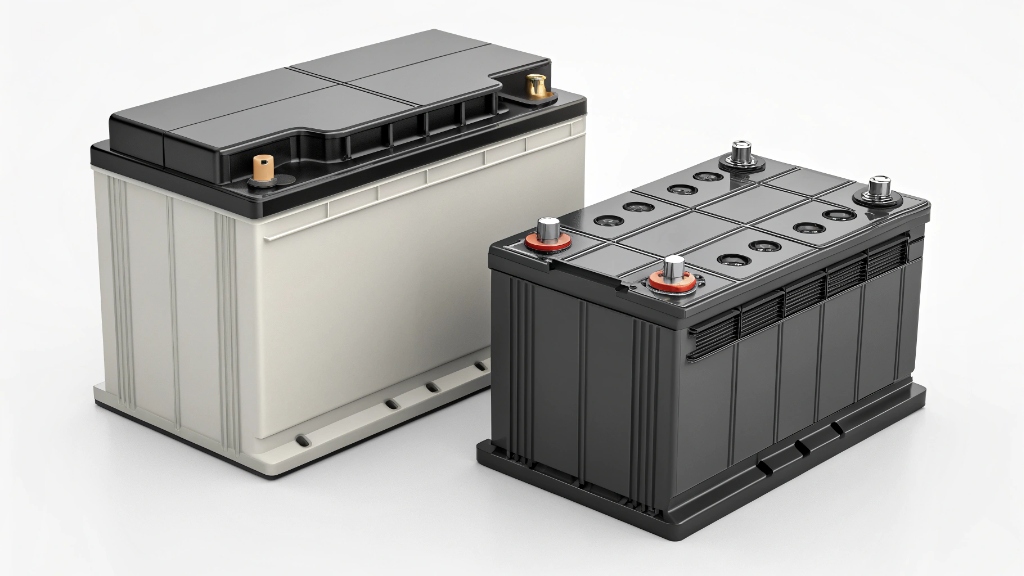
Understanding these battery types is not just about technical jargon. It is about knowing what makes a vehicle perform well and last longer. Let us dive into the details.
What are the advantages and disadvantages of lead-acid batteries in children’s electric vehicles?
You want to give your child an electric vehicle, but cost is a big factor. Lead-acid batteries often make vehicles more affordable. You wonder if this lower price means sacrificing too much performance or safety.
Lead-acid batteries offer a cost-effective solution for children’s electric vehicles, making them widely accessible. However, their heavier weight, shorter lifespan, and slower charging times can be notable disadvantages, impacting the vehicle’s overall performance and convenience.
When I first started sourcing children’s vehicles, I quickly saw that lead-acid batteries were everywhere. They have been around for a long time, and their technology is very stable. This means they are reliable and manufacturers know exactly how to work with them. The main reason for their popularity is the cost. They are much cheaper to produce than lithium-ion batteries. This helps keep the overall price of the children’s electric vehicle down, making them more affordable for many families. This also means that replacement batteries are often easier to find and less expensive if you need one down the road. Another good point is their safety record. When used as intended, lead-acid batteries are very safe. They are less prone to overheating or catching fire compared to some other battery types, especially if they are designed and built correctly. Many of our trusted partner factories have long histories with these batteries. They ensure that all lead-acid batteries meet specific safety standards and are housed in robust compartments to protect them during play. This helps reduce your concerns about quality and compliance for a product that is already well-understood and accepted in the market.
However, there are also clear downsides. The biggest issue is their weight. Lead-acid batteries are heavy. This added weight can make the electric vehicle harder to transport and can also affect how agile the vehicle feels when a child is driving it. They also have a shorter lifespan compared to lithium-ion batteries. Typically, a lead-acid battery in a children’s vehicle will last for 200 to 300 charge cycles before its capacity significantly drops. This means you might need to replace the battery more often if your child uses the vehicle a lot. Charging is another point. Lead-acid batteries take longer to charge fully. It can take 8 to 12 hours for a complete charge, which can be inconvenient if your child wants to play quickly. They also prefer not to be fully discharged before recharging, which can make battery management a bit more complex for parents.
Key Aspects of Lead-Acid Batteries
- Cost: Generally lower initial purchase price.
- Weight: Heavier than other battery types, affecting vehicle portability.
- Lifespan: Shorter cycle life, often around 200-300 charges.
- Charging: Slower charging times, typically 8-12 hours.
- Safety: Proven technology with good safety when manufactured correctly.
| Feature | Lead-Acid Batteries |
|---|---|
| Initial Cost | Lower |
| Weight | Heavy |
| Lifespan (Cycles) | 200-300 |
| Charge Time | Long (8-12 hours) |
| Energy Density | Low |
| Power Delivery | Consistent until charge drops, then power can decline |
| Maintenance | Best not to fully discharge; regular charging recommended |
What are the advantages and disadvantages of lithium-ion batteries in children’s electric vehicles?
You want top performance and convenience for your child’s electric ride. Lithium-ion batteries sound promising, offering advanced features. But you might worry about their higher cost and any potential safety risks.
Lithium-ion batteries offer significant advantages like lighter weight, longer lifespan, and faster charging for children’s electric vehicles. They provide consistent power, enhancing the driving experience. However, their higher initial cost and specific safety considerations, especially regarding charging, are key drawbacks.

From my perspective in the children’s product industry, lithium-ion batteries represent a significant leap forward for electric vehicles. One of their most immediate benefits is their light weight. They are much lighter than lead-acid batteries of comparable power. This makes the entire vehicle lighter, easier for children to maneuver, and simpler for parents to move or store. This lighter design can also improve the overall performance of the vehicle, allowing for slightly faster speeds or better handling. Another huge advantage is their lifespan. Lithium-ion batteries typically last for a much greater number of charge cycles, often 500 to 1000 cycles or even more. This means the battery will last longer, potentially for the entire life of the toy, before needing replacement. For parents, this means less hassle and better value over time.
Charging is also a major plus. Lithium-ion batteries charge much faster than lead-acid batteries, sometimes in just a few hours. This means less waiting and more playtime for your child. They also deliver more consistent power throughout their discharge cycle. Unlike lead-acid batteries, which can lose power as they drain, lithium-ion batteries tend to provide strong, steady performance until they are almost empty. This translates to a more enjoyable and consistent driving experience for the child. However, there are also disadvantages. The most significant is the cost. Lithium-ion batteries are more expensive to manufacture, and this higher cost is passed on to the consumer. This makes electric vehicles with lithium-ion batteries generally more expensive upfront. Safety is another point that requires attention. While modern lithium-ion batteries are very safe, especially when properly manufactured and used with appropriate charging systems, there is a general perception of higher risk if they are abused or cheap, unregulated versions are used. As a company, Anhui Windmill Imp. & Exp. Co., Ltd. works only with partner factories that adhere to strict quality controls and safety certifications like BSCI and Sedex. This ensures that the lithium-ion batteries in our products are high-quality and safe, giving you confidence in your purchase and reducing potential problems for your customers.
Key Aspects of Lithium-ion Batteries
- Cost: Higher initial purchase price.
- Weight: Significantly lighter than lead-acid, improving vehicle performance and portability.
- Lifespan: Longer cycle life, typically 500-1000+ charges.
- Charging: Faster charging times, often 2-5 hours.
- Safety: Very safe when manufactured to high standards and used with correct chargers; potential risks with low-quality or damaged units.
| Feature | Lithium-ion Batteries |
|---|---|
| Initial Cost | Higher |
| Weight | Light |
| Lifespan (Cycles) | 500-1000+ |
| Charge Time | Fast (2-5 hours) |
| Energy Density | High |
| Power Delivery | Consistent throughout discharge |
| Maintenance | Low; can be partially charged without issue |
Conclusion
Children’s electric vehicles use lead-acid or lithium-ion batteries. Lead-acid is cheaper but heavy. Lithium-ion is lighter with longer life but costs more. But Lead-acid batteries are difficult to export from China, so we recommend using lithium batteries.