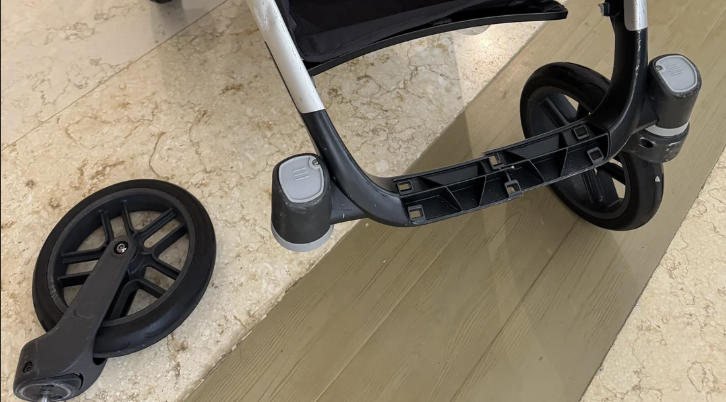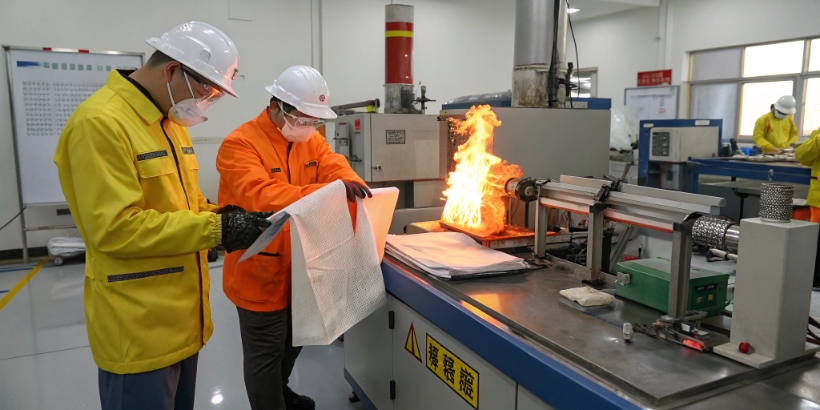
I have two children, and I clearly remember how confusing it was when I chose a high chair for the first time.
I kept asking myself simple but important questions. Should I choose wood or plastic? Which one is actually safer for a child?
When buyers choose a high chair, material selection is often underestimated.
Many sourcing teams focus on price, appearance, or packaging, but wood vs plastic directly affects safety performance, durability, recall risk, and audit outcomes.
In real-world use, wooden high chairs generally offer better structural stability and long-term durability, while plastic high chairs provide cost efficiency and easier cleaning but require stricter stability and material control.
| Material | Safety Profile | Durability | Common Buyer Risk |
|---|---|---|---|
| Wood | High stability, heavier base | Long-term, repairable | Cracking, moisture control |
| Plastic | Lightweight, flexible | Medium-term | Tip-over, material aging |
Article updated: January 17, 2026
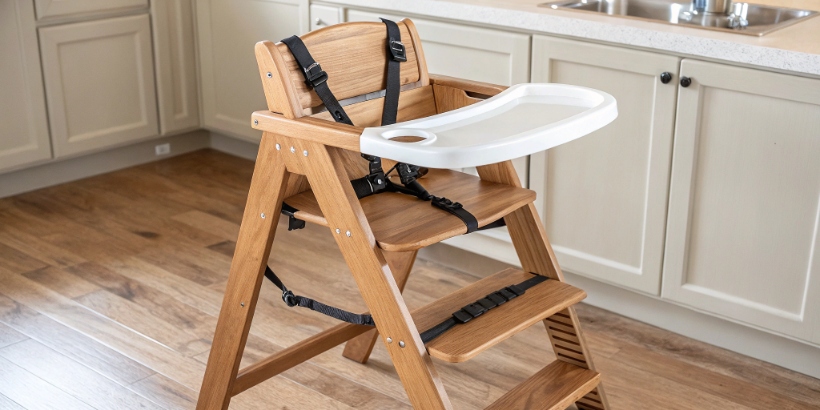
Why Material Choice Matters More Than Buyers Expect
From a safety-engineering perspective, material choice defines how a high chair behaves under dynamic load.
Children do not sit still. They:
- Push against trays
- Stand on footrests
- Lean forward
- Rock side to side
The material determines:
- Center of gravity
- Resistance to deformation
- Long-term stability after aging
This is why many recalls trace back not to design drawings, but to material behavior after months of use.
Safety Comparison: Wood vs Plastic High Chairs
Structural Stability
Wooden high chairs usually have:
- Thicker structural members
- Wider leg footprint
- Higher base weight
This creates a lower center of gravity, improving tip-over resistance.
Plastic high chairs are often:
- Lightweight
- Hollow-structured
- Dependent on design geometry for stability
If geometry is wrong, no amount of testing can fully offset the risk.
| Stability Factor | Wooden High Chair | Plastic High Chair |
|---|---|---|
| Base weight | Heavier | Lighter |
| Tip resistance | Strong | Design-dependent |
| Deformation under load | Low | Medium–High |
This directly links to
👉 Why High Chairs Tip Over (And How to Prevent It)
Durability Over Product Life Cycle
Wooden High Chairs
Advantages:
- High fatigue resistance
- Minor damage does not affect structure
- Long usable lifespan
Risks:
- Cracking if moisture not controlled
- Joint loosening if glue quality is poor
High-quality wooden chairs often remain stable well beyond declared weight limits, if properly manufactured.
Plastic High Chairs
Advantages:
- Easy to clean
- Lower production cost
- Consistent molding quality
Risks:
- UV aging
- Plastic fatigue at joints
- Micro-cracks invisible during inspection
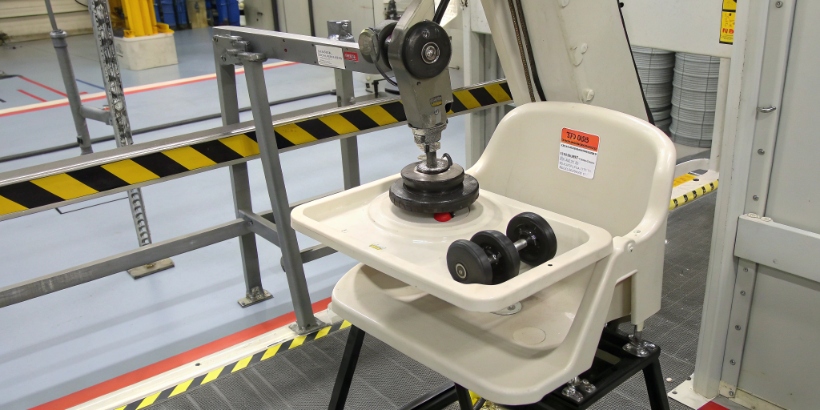
Many plastic chairs pass initial testing but fail after 6–12 months of use, which is when complaints start.
Chemical & Material Compliance Differences
Material choice also affects chemical compliance workload.
Plastic High Chairs: Higher Chemical Risk
Plastic components require testing for:
- Phthalates
- Heavy metals
- PAHs
- BPA (where applicable)
Colorants and surface coatings increase risk.
Every color variation may require separate test coverage.
Wooden High Chairs: Hidden Risks
Wood appears “natural” but still involves:
- Paints and lacquers
- Adhesives
- Surface treatments
Formaldehyde and coating migration are common failure points if suppliers are not controlled.
👉 This connects directly to
High Chair Safety Standards: EN 14988 vs ASTM F404
Audit & Certification Perspective (BSCI / SMETA / ISO)
From factory audit experience:
-
Wooden high chair factories
- Often smaller
- Strong craftsmanship
- Higher consistency issues if QC is weak
-
Plastic high chair factories
- Larger scale
- Better documentation
- Higher risk of material substitution
Auditors focus more heavily on:
- Traceability (plastic resin, additives)
- Incoming material control
- Change management
This makes plastic high chairs more audit-sensitive, not less.
Recall Data Patterns: What History Shows
In recall databases, patterns are clear:
Wood-related recalls:
- Surface coating peeling
- Small parts detachment
Plastic-related recalls:
- Tip-over incidents
- Cracking at joints
- Tray lock failures
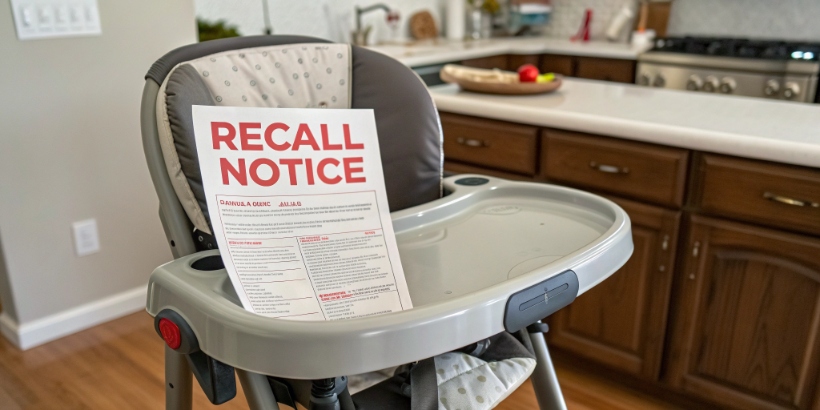
Tip-over recalls are more severe, often triggering retailer bans and platform penalties.
This is why buyers selling into:
- Supermarkets
- Amazon / Walmart
- EU & US markets
increasingly favor stable wooden designs or reinforced hybrid designs.
Cost vs Risk: The Real Buyer Calculation
Plastic looks cheaper on paper.
Wood looks safer in the field.
But the real comparison is:
| Factor | Wood | Plastic |
|---|---|---|
| Unit cost | Higher | Lower |
| Recall risk | Lower | Higher |
| Complaint rate | Lower | Higher |
| Brand damage | Limited | Severe |
| Long-term profit | Stable | Volatile |
Professional buyers calculate total risk cost, not unit price.
Which Should Buyers Choose in 2026?
There is no universal answer — but clear guidance:
Choose wooden high chairs if:
- Selling in EU / US
- Targeting safety-driven retailers
- Brand reputation matters
Choose plastic high chairs only if:
- Design stability is proven
- Chemical control is strong
- Weight limits are conservative
- Dual-standard testing is done
Hybrid designs (wood + reinforced plastic) are emerging as the safest middle ground.
How This Article Fits the High Chair Safety Hub
This article strengthens internal linking with:
- High Chair Weight Limits and Stability Testing Explained
- Why High Chairs Tip Over (And How to Prevent It)
- High Chair Recall Reasons and How Buyers Can Avoid Them
- High Chair Safety Standards: EN 14988 vs ASTM F404
Together, they signal to Google that this site is an authoritative High Chair Safety & Compliance Hub.
Final Buyer Insight
Material choice is not an aesthetic decision.
It is a safety, compliance, and liability decision.
Buyers who understand how wood and plastic behave under real child use avoid recalls — and build stronger brands.
Written by Sherry, Baby Product Sourcing Manager with 15+ years of experience in stroller and high chair supply chains, working with supermarkets and distributors worldwide.