Choosing a stroller can be confusing. You want your baby to be safe and comfy. Worrying about the wrong fabric can add stress to your search. Let’s find out what truly matters.
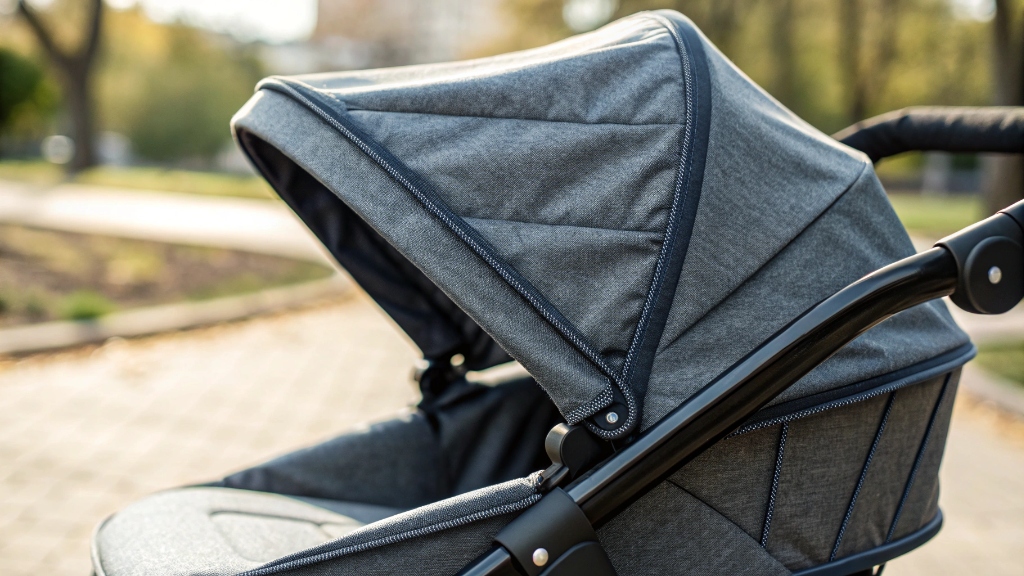
The best stroller fabric is durable, easy to clean, breathable, and safe. Look for materials like polyester or nylon with OEKO-TEX certification. These fabrics resist water, protect from UV rays, and ensure your baby stays comfortable and healthy on every journey.
| Feature Category | What to Look For | Why It Matters |
|---|---|---|
| Durability | Strong fabrics such as polyester or nylon | Ensures the stroller withstands daily use and lasts longer. |
| Ease of Cleaning | Wipeable, removable, or machine-washable materials | Helps parents maintain hygiene with minimal effort. |
| Breathability | Airflow-friendly, well-ventilated fabrics | Keeps the baby cool and comfortable during long rides. |
| Safety Certification | OEKO-TEX or similar non-toxic certifications | Confirms the fabric is safe and free from harmful chemicals. |
| Water Resistance | Water-resistant or quick-dry materials | Protects the stroller from spills and light rain. |
| UV Protection | UV-resistant or sun-protective fabric coatings | Shields the baby from harmful sun exposure. |
When I started my company
, I learned a lot about what makes a great stroller. It is not just about how it looks. It is about how it feels for your baby. It is about how easy it is for you to keep clean. I realized that the materials used are super important. Many parents only think about the stroller’s overall shape. But the fabric and frame are just as vital. They affect your baby’s comfort. They also affect how long the stroller lasts. Let’s look closely at these hidden details. This will help you make a smart choice for your family.
Why do Stroller Frame Materials Matter?
Have you only thought about the seat’s fabric? Many parents overlook the frame. A weak or heavy frame can make your stroller hard to use and even unsafe.
Stroller frame materials matter for the stroller’s overall weight, durability, and stability. Common choices include aluminum for lightness, steel for strength, and carbon fiber for premium performance. These materials directly affect how easy the stroller is to push, lift, and how long it will last.
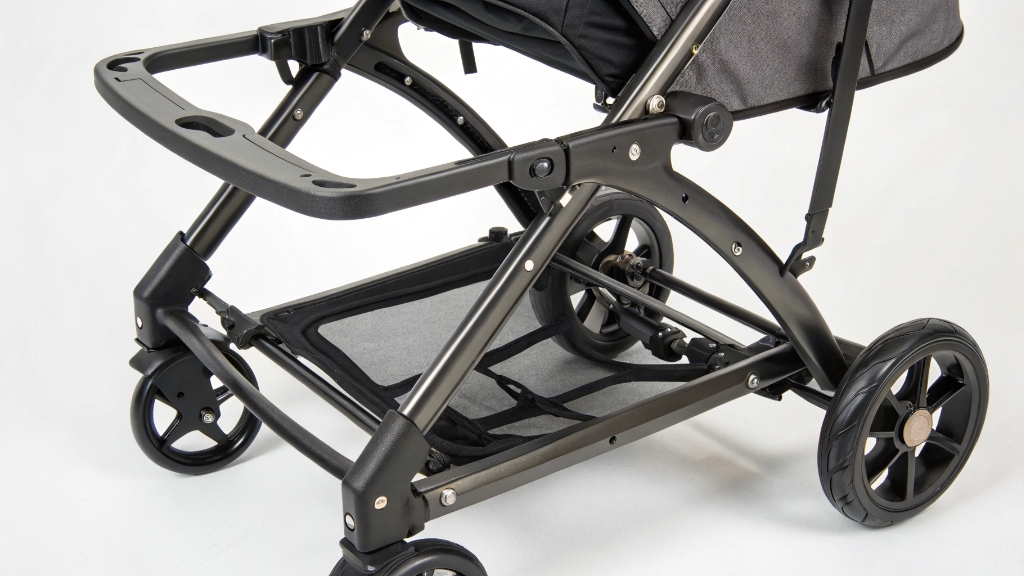
In my line of work, I have seen many stroller designs. I learned that a good stroller starts with a strong frame. I remember testing an early prototype. We used a lighter, cheaper metal. It folded well but felt wobbly. It did not stand up to our stress tests. This taught me a valuable lesson. The frame is the backbone of the stroller. It holds everything together. It keeps your child safe. It also makes the stroller easy or hard to use. My company always puts frame quality first. We choose materials that balance strength and weight. This ensures our strollers are both safe and user-friendly.
Understanding Stroller Frame Materials
The material of a stroller’s frame is crucial. It impacts the stroller’s weight, its ability to withstand wear and tear, and its overall stability. Different materials offer various benefits and drawbacks, influencing the stroller’s performance and price. When considering a stroller, I always advise looking beyond the aesthetic. Think about the core structure. A lightweight frame makes the stroller easier to lift into a car or carry up stairs. A durable frame means the stroller can handle bumps and last for years, even with multiple children. Understanding these materials helps you predict the stroller’s performance in your daily life. It ensures you invest in a product that matches your lifestyle and provides long-term value. This attention to detail is something my company prides itself on. We know a well-built frame means a safer and more enjoyable experience for families.
Aluminum
Aluminum is a popular choice for stroller frames. It is known for its light weight. This makes strollers easy to lift and carry. It also resists rust, which is good for outdoor use. Aluminum frames are strong enough for most daily uses. But they can bend under extreme pressure more easily than steel. They offer a good balance of weight and durability. This makes them a common choice for many standard and lightweight strollers.
Steel
Steel frames are very strong and durable. They can withstand a lot of abuse. This makes them good for jogging or all-terrain strollers. But steel is much heavier than aluminum. This can make the stroller harder to lift and push. Steel frames are also prone to rust if not treated. They offer superior strength but at the cost of weight.
Carbon Fiber
Carbon fiber is a high-end material. It is extremely light and very strong. It is often found in premium or luxury strollers. Carbon fiber frames absorb shocks well. This provides a smoother ride. But strollers made with carbon fiber are much more expensive. They offer top performance and sleek design. But they are a significant investment.
| Material | Weight | Strength | Corrosion Resistance | Typical Use | Cost |
|---|---|---|---|---|---|
| Aluminum | Lightweight | Good | Excellent | Standard, Lightweight | Moderate |
| Steel | Heavy | Excellent | Poor (unless treated) | Jogging, All-Terrain | Low-Moderate |
| Carbon Fiber | Very Lightweight | Excellent | Excellent | Premium, Performance | High |
Which Fabric is Safest for Your Baby’s Stroller?
Are you worried about what touches your baby’s skin? With so many fabrics, it is hard to know which ones are truly safe and gentle.
The safest stroller fabric is breathable, hypoallergenic, and free from harmful chemicals. Look for materials like polyester, nylon, or organic cotton that are OEKO-TEX certified. These choices ensure comfort, reduce irritation, and protect your baby from environmental toxins.
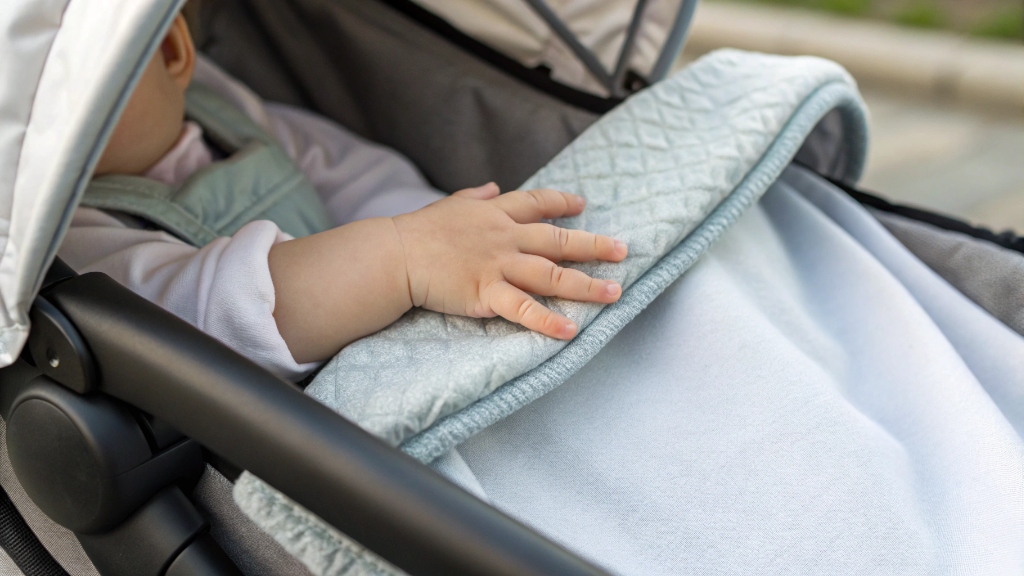
When my child was born, I became very aware of every material she touched. This personal experience deeply influenced my company’s approach to fabric selection. I realized that a beautiful fabric means nothing if it is not safe. I focused on finding materials that were not only durable but also non-toxic. I looked for fabrics that would not irritate delicate skin. I remember spending hours researching certifications. I wanted to ensure that every fabric we used met the highest safety standards. This commitment means that when you choose one of our strollers, you are choosing peace of mind. You know your baby is resting in a safe and healthy environment.
Key Factors for Stroller Fabric Safety and Comfort
Choosing the right fabric for your baby’s stroller goes beyond color and pattern. The material directly affects your baby’s comfort, health, and safety. I always consider several key factors when evaluating fabrics for our strollers. First, breathability is vital, especially in warmer climates, to prevent overheating and sweating. Second, the fabric’s ability to be easily cleaned is a practical necessity for parents dealing with spills and messes. Third, durability ensures the stroller withstands daily use and protects your investment. Most importantly, safety certifications confirm the fabric is free from harmful chemicals. My company meticulously researches and tests fabrics against these criteria. We prioritize fabrics that are gentle on sensitive skin, resistant to stains, and maintain their integrity over time. This holistic approach guarantees a product that is not only functional but also contributes positively to your baby’s well-being.
Polyester
Polyester is a common choice for stroller fabrics. It is very durable and resists fading. It also stands up well to water and stains. This makes it easy to clean. Many polyester fabrics are treated to be UV resistant. This protects your baby from the sun. It is a synthetic fabric. So, look for OEKO-TEX certified options. This ensures it is free from harmful chemicals.
Nylon
Nylon is similar to polyester. It is also very durable and water-resistant. It often has a smooth feel. Nylon is also easy to clean. It resists tears and abrasions well. It is a good choice for active families. Like polyester, check for safety certifications. This ensures it is safe for your baby’s skin.
Natural Fibers (e.g., Cotton, Linen)
Natural fibers like organic cotton or linen are highly breathable. They are very soft against sensitive skin. They are also hypoallergenic. They do not often contain harsh chemicals. But they are usually less water-resistant than synthetic fabrics. They can also be harder to clean. They may also be less durable. They are great for comfort but might need more care.
Blends
Many stroller fabrics are blends of different materials. For example, a polyester-cotton blend might offer the durability of polyester and the softness of cotton. These blends try to combine the best features of each material. Always check the specific blend. Look for certifications to ensure safety.
| Fabric Type | Breathability | Durability | Water Resistance | Ease of Cleaning | Safety Certifications |
|---|---|---|---|---|---|
| Polyester | Moderate | Excellent | Good | Excellent | Look for OEKO-TEX |
| Nylon | Moderate | Excellent | Excellent | Excellent | Look for OEKO-TEX |
| Organic Cotton | Excellent | Moderate | Poor | Moderate | GOTS, Organic Certified |
| Linen | Excellent | Moderate | Poor | Moderate | Organic Certified |
| Fabric Blends | Varies | Varies | Varies | Varies | Look for OEKO-TEX |
Conclusion
Choosing the best stroller involves understanding both the frame’s strength and the fabric’s safety. Prioritize durability, ease of cleaning, and certified non-toxic materials for your baby’s comfort and your peace of mind.