Recalls are one of the biggest headaches I’ve seen in baby stroller sourcing. They happen suddenly, damage brands, and frustrate buyers. Most issues could be prevented with careful inspection and risk assessment.
The most common stroller recalls are caused by frame failure, tipping risk, locking or folding system malfunctions, chemical hazards in fabrics, and weight capacity overloading.
| Recall Cause | Typical Issue | Linked Article | Buyer Action |
|---|---|---|---|
| Frame failure | Weak welds, thin tubing | Frame Strength | Verify tube thickness, weld points, and stress testing |
| Tipping hazard | High center of gravity, narrow wheelbase | Why Strollers Tip Over | Check wheelbase, weight distribution, and real-use scenarios |
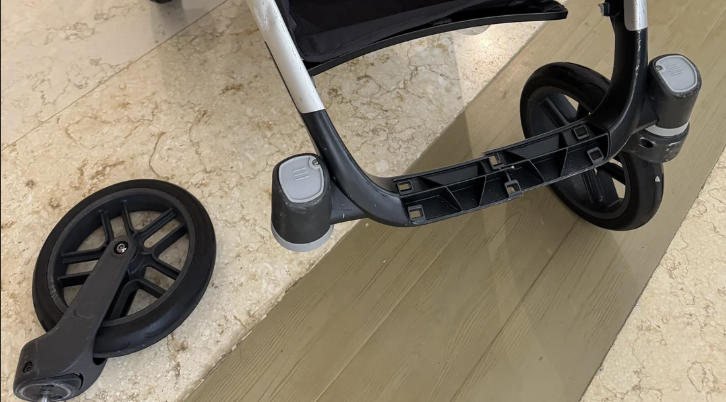
| Locking/folding failure | Joints collapse, brakes disengage | Frame Strength | Test folding cycles and locking engagement |
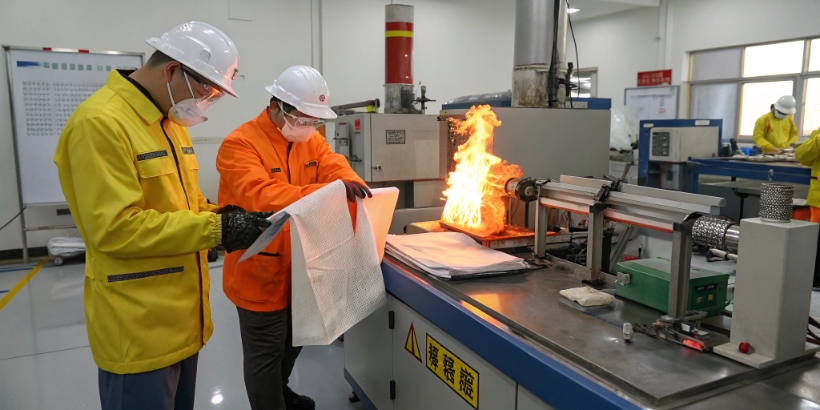
| Chemical/fabric issues | Excessive VOCs, banned dyes | – | Request MSDS, EN71/ASTM test reports |
| Weight capacity exceeded | Stroller breaks under child load | How Much Does a Stroller Weight? | Check manufacturer specs, conduct real load tests |
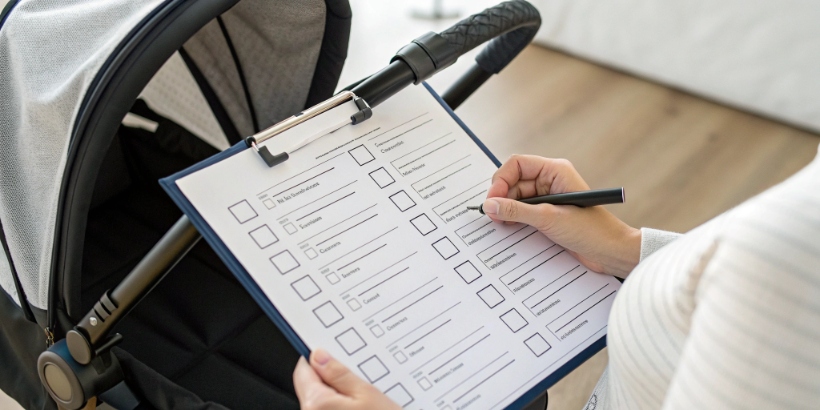
How Frame and Structure Failures Lead to Recalls
Frame issues are by far the most frequent cause of recalls. I’ve seen dozens of strollers fail because the frame couldn’t handle normal usage. Even small weld gaps or thin tubing can lead to bending or snapping over time.
- Frame weakness is directly connected to tipping risk. See Why Strollers Tip Over for detailed testing strategies.
- Weight limits must be respected. Overloading beyond the recommended range is a frequent cause of structural failures. For reference, see How Much Does a Stroller Weight?.
Buyers often miss the subtle signs during initial inspections, so I always check:
- Tube thickness and material quality
- Weld integrity
- Locking system durability
- Long-term folding and unfolding cycles
Tipping and Stability Hazards
A stroller that tips over easily can cause serious injury and trigger recalls. From my experience, tipping usually happens due to:
- High center of gravity
- Narrow wheelbase
- Lightweight frame design
- Improper parent use
Even if a stroller passes lab tests, if it is not evaluated under real-life usage conditions, tipping risks can still be high. That’s why I always link frame strength and weight assessments together in the early sourcing phase.
Locking and Folding Mechanisms
Locking and folding malfunctions are surprisingly common recall reasons. They often appear in:
- Foldable travel strollers
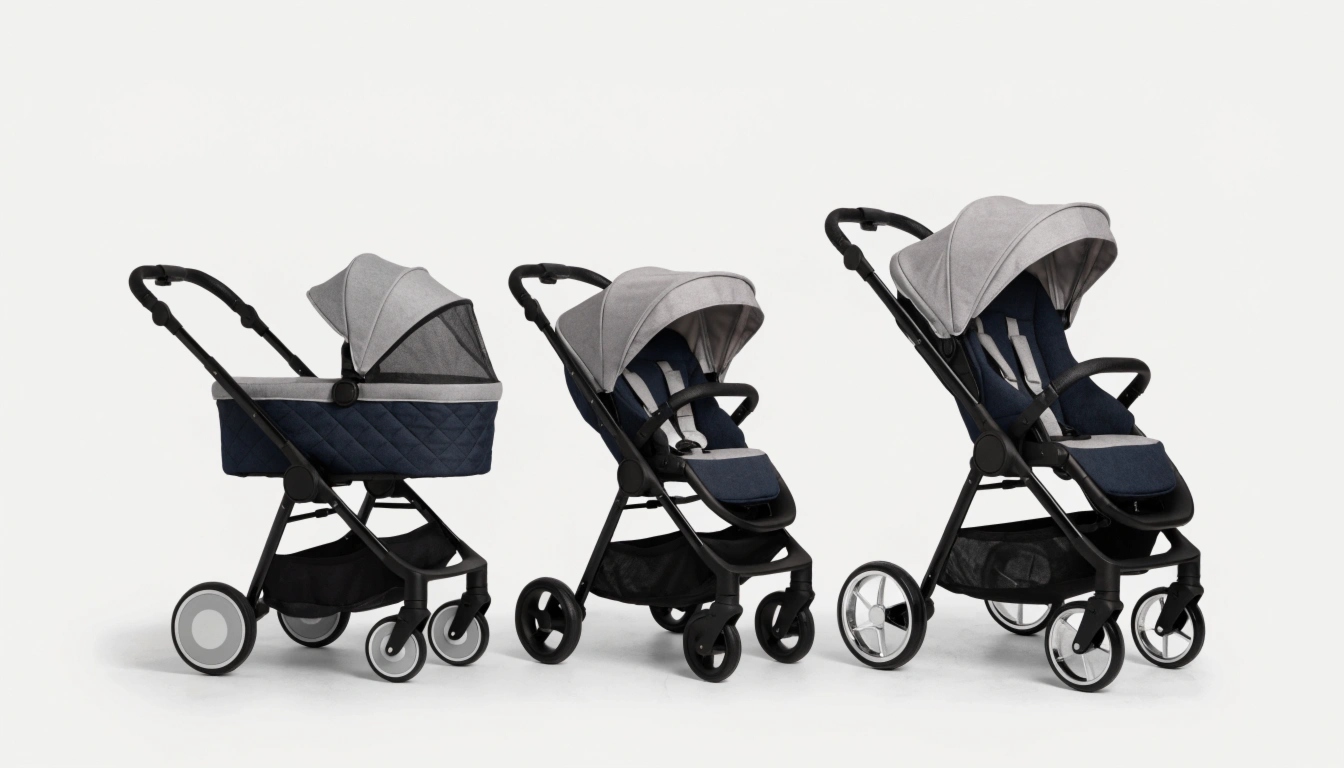
- Multi-function strollers with removable seats or bassinets
I make sure that every prototype passes:
- Hundreds of folding/unfolding cycles
- Braking engagement tests
- Locking system stress tests
Weak folding mechanisms can combine with tipping risks to become double hazards, so this is always a priority in my evaluation process.
Fabric and Chemical Safety Issues
Chemical hazards are a growing focus. Recalls often cite:
- Excess VOCs (Volatile Organic Compounds)
- Banned dyes or flame retardants
- Unsafe padding materials
From a buyer perspective:
- Always request MSDS and EN71/ASTM reports
- Check if fabric is certified for low VOC and chemical safety
- Include chemical testing in your pre-shipment inspection
Even if all other mechanical tests pass, chemical hazards alone can trigger a recall.
Weight Capacity Exceedance
Weight limits are often misunderstood. Buyers sometimes assume that heavier strollers support heavier children. That’s not always true.
- See How Much Does a Stroller Weight? for guidance on matching weight to capacity.
- Strollers overloaded beyond design capacity risk frame failure, brake disengagement, and tipping.
- I always conduct real load tests to simulate the maximum weight children may reach.
How Buyers Can Prevent Recalls (Practical Steps)
From my experience working with over 200 global buyers, preventing recalls is about anticipating failure points:
-
Link frame strength with weight
- Evaluate both together, not separately
- Simulate real-life loads and folding cycles
-
Check tipping scenarios
- Test on uneven surfaces
- Simulate parent behaviors (bags, leaning children)
-
Verify locking and folding mechanisms
- Use repeated cycle tests
- Check for joint wear and brake consistency
-
Inspect chemical and fabric safety
- Request documentation from suppliers
- Perform independent tests if needed
-
Document all checks
- Keep test results for internal audits and buyer reassurance
Why These Three Factors Work Together
I always tell buyers that frame, weight, and tipping assessments are inseparable. Ignoring one increases recall risk for all:
- Frame weakness + weight mismatch = higher chance of structural failure
- Frame weakness + tipping risk = higher injury risk
- Folding/locking failure + chemical issues = regulatory non-compliance
Understanding this chain allows buyers to source smarter and safer products, reducing cost and post-shipment issues.
Internal Links Summary
- How to Evaluate Stroller Frame Strength and Stability?
- How Much Does a Stroller Weight?
- Why Strollers Tip Over
My Role
I work directly with procurement managers and buyers sourcing strollers for global markets. Anhui Windmill Imp. & Exp. Co., Ltd. has over 15 years of experience in children’s products, working with 100+ factories and 200+ clients worldwide.
My goal is to help buyers prevent recalls, understand real usage risks, and make safer purchasing decisions, not to sell products blindly.
Conclusion
Stroller recalls are predictable and preventable. By evaluating frame strength, tipping risk, locking systems, fabric safety, and weight capacity together, buyers can minimize risks, avoid regulatory issues, and ensure safer products reach families.