High chair recalls are one of the most expensive and reputation-damaging events in the baby products industry. For B2B buyers, importers, and brand owners, a single recall can mean lost listings, legal exposure, chargebacks, and permanent brand trust damage.
The most common reasons for high chair recalls include tip-over incidents, harness failures, structural breakage, and misleading weight or age labeling. Buyers who understand these root causes early can prevent over 80% of recall risks through better design review, testing, and factory audits.
| Recall Reason | Typical Failure Point | Real-World Risk | Buyer Prevention Strategy |
|---|---|---|---|
| Tip-over | Narrow base, high center of gravity | Child injury | Stability testing beyond minimum |
| Harness failure | Weak stitching or buckles | Falls | Dynamic load & misuse testing |
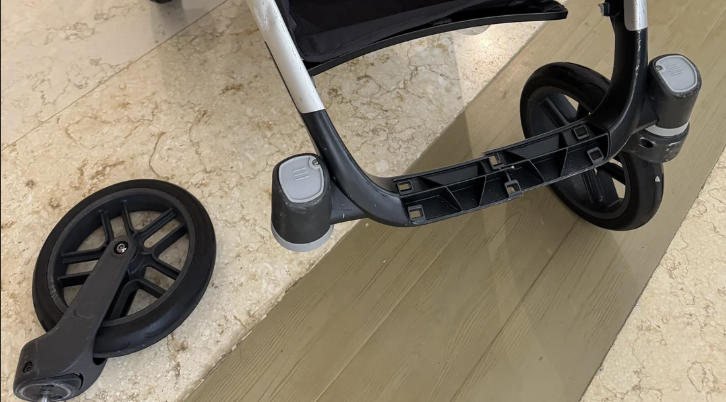
| Structural breakage | Poor material or welding | Collapse | Fatigue & lifecycle testing |
| Mislabeling | Incorrect age/weight claims | Legal recall | Conservative labeling |
| Tray detachment | Weak locking mechanism | Impact injury | Push–pull force testing |
Article updated: January 17, 2026
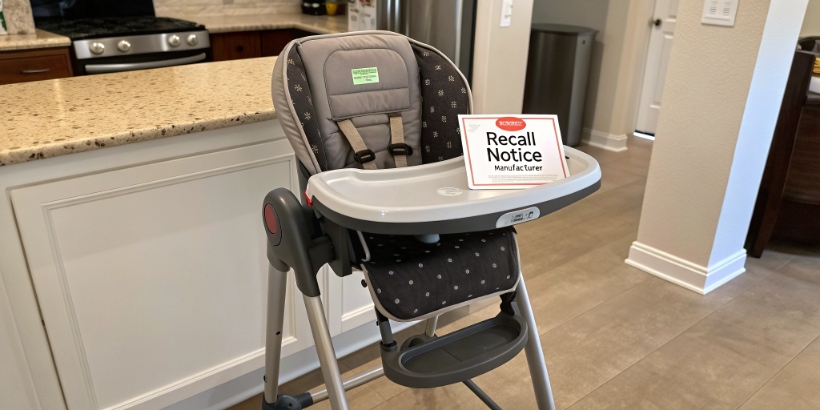
1. Tip-Over Incidents (The #1 Recall Trigger)
Tip-over incidents are the leading cause of high chair recalls globally, especially in North America.
Why Tip-Overs Happen
- Narrow leg footprint
- Elevated seat height without counterbalance
- Lightweight frames without structural spread
- Child standing or pushing against tray
Many chairs technically pass lab tests but fail under real-life misuse, which is why ASTM F404 recalls are common.
How Buyers Can Prevent Tip-Over Recalls
- Require stability margins beyond EN 14988 minimum
- Test with forward + side dynamic forces
- Evaluate center-of-gravity with tray fully loaded
- Cross-check against Why High Chairs Tip Over (And How to Prevent It)
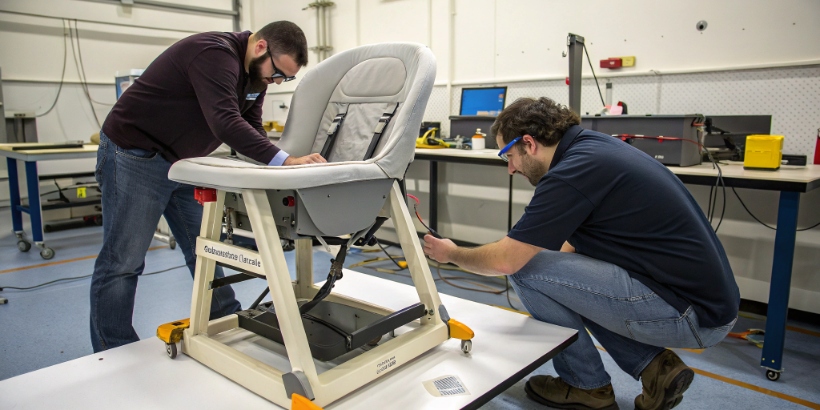
2. Harness and Restraint System Failures
Harness-related recalls usually involve:
- Buckle breakage
- Strap slippage
- Stitching tear under load
- Poor anchoring points
Why This Happens
Factories often:
- Use non-tested buckles
- Skip dynamic misuse testing
- Focus only on static pull strength
Buyer Prevention Checklist
- Require 5-point harness for higher seat designs
- Test buckles under repeated open-close cycles
- Apply misuse simulation (child standing, twisting)
- Match harness testing to ASTM F404 behavior scenarios
3. Structural Breakage and Material Fatigue
Structural recalls often occur months after launch, not during initial inspections.
Common failure points:
- Plastic joints
- Wooden crossbars
- Metal welds
- Foldable locking hinges
How Buyers Reduce Structural Recall Risk
- Request fatigue testing, not just static load
- Simulate 2–3 years of use cycles
- Avoid sharp internal stress points
- Align with insights from Wood vs Plastic High Chairs: Safety and Durability Comparison
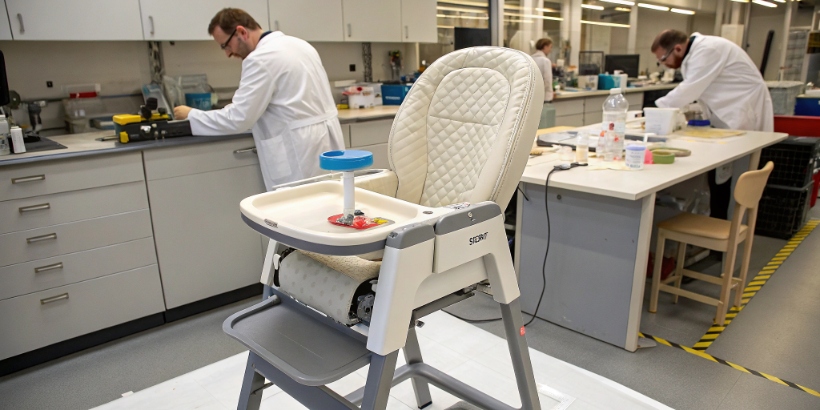
4. Incorrect Weight or Age Labeling
This is a silent recall trigger — the product may be structurally fine, but labeling causes regulatory action.
Typical issues:
- Overstated weight limits
- Vague age guidance (“for toddlers”)
- Missing misuse warnings
Buyer Best Practices
- Use conservative weight limits
- Align labeling with actual stability data
- Sync EN 14988 and ASTM F404 labeling language
- Cross-link to High Chair Weight Limits and Stability Testing Explained
5. Tray Detachment and Locking Failures
Tray-related recalls usually involve:
- Weak locking tabs
- Single-sided locking systems
- Plastic deformation over time
ASTM F404 specifically tests push–pull misuse forces, which many EU-only designs fail.
Buyer Prevention Strategy
- Require dual-lock tray mechanisms
- Test with asymmetric force
- Perform wear testing after repeated removal cycles
6. Factory Process Gaps That Lead to Recalls
Even good designs fail due to:
- Inconsistent material sourcing
- No incoming QC for critical parts
- Lack of social & quality audits
Smart buyers connect recall prevention to:
- Factory audits
- Social compliance
- Process consistency
This links directly with:
- High Chair Safety Standards: EN 14988 vs ASTM F404
- Stroller / High Chair Factory Audit Checklist (BSCI vs SMETA vs ISO)
How Buyers Should Build a Recall-Prevention System
Professional buyers typically:
- Design to dual-market standards
- Test misuse scenarios early
- Audit factories beyond paperwork
- Review historical recall databases
- Link design, testing, and labeling together
This transforms safety from a cost into a competitive advantage.
How This Article Strengthens the High Chair Safety Hub
This page is a conversion-focused authority article that internally links to:
- High Chair Safety Standards: EN 14988 vs ASTM F404
- Why High Chairs Tip Over (And How to Prevent It)
- High Chair Weight Limits and Stability Testing Explained
- Wood vs Plastic High Chairs: Safety and Durability Comparison
Final Takeaway for Buyers
High chair recalls are rarely caused by a single mistake.
They happen when design, testing, labeling, and factory control are disconnected.
Buyers who understand recall patterns before sourcing protect not just children — but their brand, margins, and long-term market access.
Written by Sherry, Baby Product Sourcing Manager with 15+ years of experience in stroller and high chair supply chains, working with supermarkets and distributors worldwide.