Editor Profile
I am the editor behind AH Windmill’s Baby Product Safety Hub, focusing on high chair safety, stroller compliance, product recalls, and international standards.
But I’m not just writing from documents or regulations.
I’m a parent of two children, and I’ve also been on the confusing, stressful side of choosing baby products for my own family.
When I bought our first high chair, I had the same questions many parents and buyers still ask today:
- Should I choose wood or plastic?
- Why do some chairs feel stable while others wobble?
- Are all “certified” products really safe?
- What actually causes high chairs to get recalled?
Those early questions later became the foundation of deeper research, including our detailed comparison of
👉Wood vs Plastic High Chairs: Safety and Durability Comparison
and our breakdown of real-world recall triggers.
That personal experience is what pushed me to go deeper into product safety, testing standards, and compliance systems—not just as a parent, but as a professional.
Professional Background
I work in the baby products manufacturing and export industry, with hands-on experience covering:
- High chairs & baby seating systems
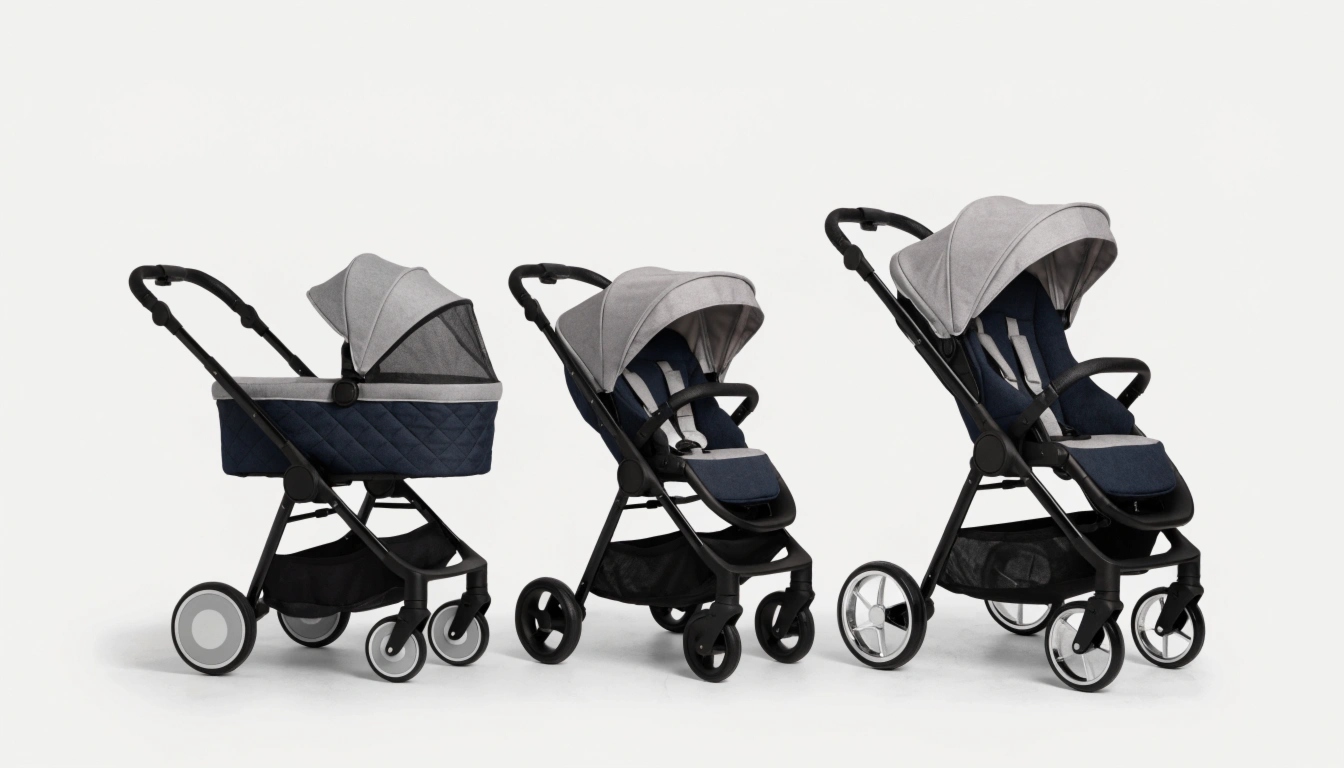
- Strollers and travel systems
- OEM / ODM product development
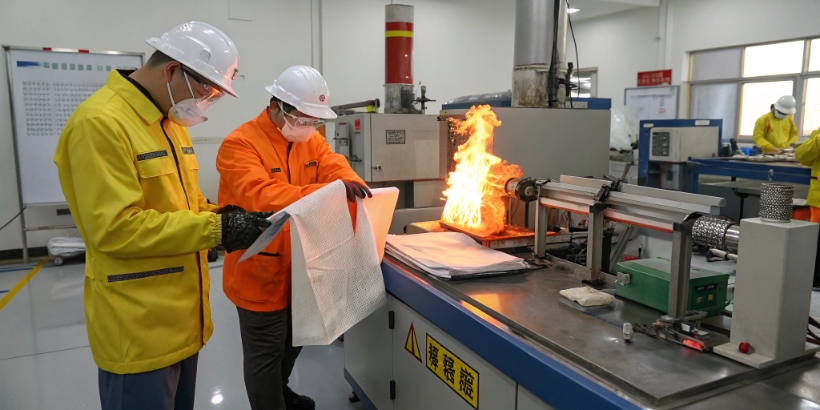
- Factory audits and compliance reviews
- Buyer-side risk control and pre-shipment safety checks
Over the years, I’ve worked directly with:
- Product engineers
- Quality managers
- Third-party testing labs
- Retail and brand buyers from Europe, North America, and Latin America
This gives me a dual perspective:
I understand what regulators expect and what parents worry about.
That dual perspective is reflected throughout the Hub, especially in articles like
👉Standard High Chair Dimensions Explained,
where design intent, testing logic, and real child behavior intersect.
Safety & Compliance Expertise
My work focuses heavily on international baby product safety standards, including but not limited to:
- EN 14988 – European High Chair Safety Standard
- ASTM F404 – U.S. High Chair Safety Standard
- CPSIA & CPSC recall frameworks
- Stability, load, tip-over, and restraint testing
- Material safety and structural durability
Many of the issues discussed in this Hub—such as tipping accidents, weight limit failures, or harness misuse—are real recall triggers I’ve seen repeatedly in audits and test reports.
These risks are explained in depth in
👉High Chair Safety Standards: EN 14988 vs ASTM F404
and further connected to real incidents in
👉High Chair Recall Reasons and How Buyers Can Avoid Them.
Why This Hub Exists
This Hub was created to solve a problem I see every year:
Buyers and brands repeat the same mistakes—not because they don’t care, but because safety knowledge is fragmented and overly technical.
Most articles online either:
- Oversimplify safety (“just check the certificate”), or
- Overload readers with regulations without explaining real-world risks
Here, I aim to:
- Translate standards into clear, practical insights
- Explain why recalls happen, not just that they happen
- Help buyers reduce returns, recalls, and liability risks
- Help parents understand what actually keeps children safe
For example, tipping incidents are often blamed on “user misuse,”
but as explained in
👉Why High Chairs Tip Over (And How to Prevent It),
design geometry and center-of-gravity decisions are frequently the real root cause.
Experience as a Parent
As a parent, I’ve also learned something standards don’t always capture:
Children don’t follow manuals.
For example, our son stopped wanting to sit in a high chair at around 3 years old, even though many products claim higher age limits.
That experience directly shaped how I analyze:
- Age vs. behavioral readiness
- Misuse risk (climbing, standing, leaning)
- Why “passing a test” doesn’t always mean “safe in real life”
This thinking also informs how we discuss transition timing, misuse risk, and stability failures across multiple Hub articles.
Editorial Principles
Every article published under my name follows these principles:
- Accuracy first – Based on real standards, test methods, and recall data
- Experience-based – Grounded in factory, audit, and parenting realities
- Buyer-oriented – Written to support sourcing, compliance, and risk decisions
- Search-intent driven – Structured for how buyers and parents actually search
No generic AI summaries.
No recycled safety clichés.
Each Hub article is intentionally interlinked to build topic authority, not isolated blog traffic.
About AH Windmill
AH Windmill works with global buyers to develop and supply baby products that meet international safety and compliance requirements, with a strong focus on:
- High chairs
- Strollers
- Baby seating & feeding products
This Safety Hub is an extension of that mission:
making safety knowledge usable, not just compliant.
Connect & Attribution
All Hub articles authored or edited by me link back to this page to ensure:
- Clear editorial responsibility
- Transparent expertise attribution
- Consistent Author Entity signals for Google
If you’re a buyer, brand, or compliance team looking to reduce risk before problems happen, you’re reading the right place.
Written by Sherry, Baby Product Sourcing Manager with 15+ years of experience in stroller and high chair supply chains, working with supermarkets and distributors worldwide.