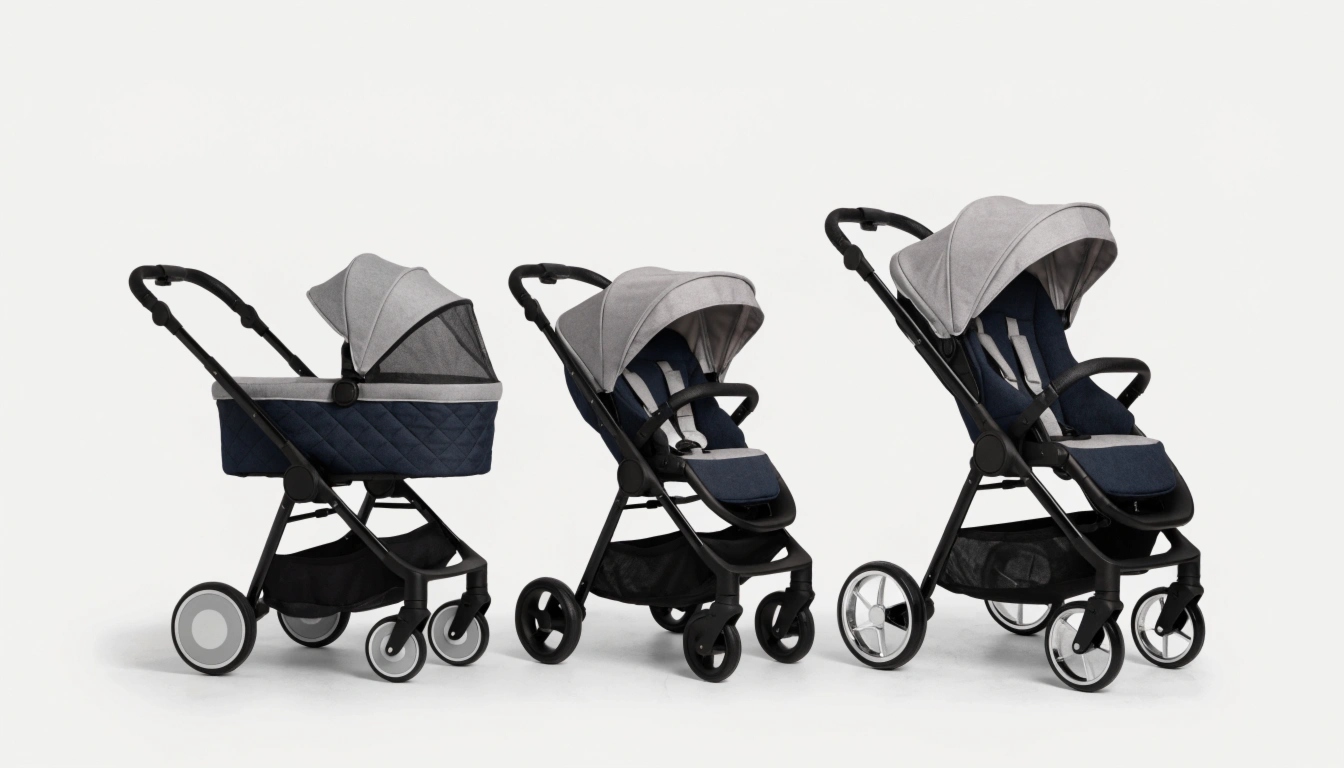
The first time I flew with a stroller, I thought it would be simple.
I had already shipped thousands of strollers overseas as an export manager.
I knew EN standards. I knew cartons and pallets. I knew weight limits.
But standing at the airport gate with my own child, I realized something very different:
Airlines do not treat strollers like baby products.
They treat them like luggage.
And that difference causes most of the problems buyers, brands, and parents face later.
I have two children. I’ve flown with umbrella strollers, compact travel strollers, and even once with a full-size stroller that I regretted immediately.
Those experiences changed how I look at stroller design, labeling, and buyer instructions in 2026.
Direct answer: what most airlines actually allow
| Item | Typical Airline Policy | Hidden Risk |
|---|---|---|
| Umbrella stroller | Allowed gate-check | Damage during loading |
| Compact travel stroller | Often cabin-allowed | Size rules vary |
| Full-size stroller | Checked baggage | High breakage rate |
| Battery stroller | Often restricted | Airline refusal |
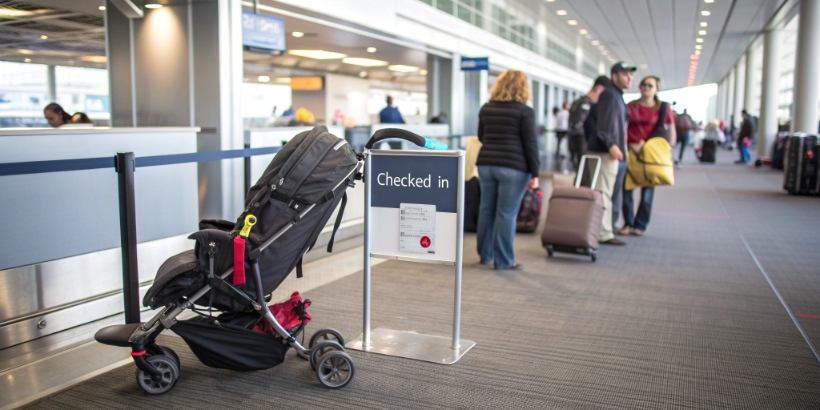
Can You Bring a Stroller on an Airplane Without Checking It In?
This is the question buyers ask me most, especially supermarket and online sellers.
The honest answer is: sometimes, but never guaranteed.
From my experience, airlines usually allow:
- One stroller per child
- Gate-check for free
- Cabin use only if it fits overhead size limits
But here is what factories rarely tell buyers:
Cabin approval is not based on stroller category.
It is based on folded size and airline crew judgment.
I have seen compact strollers pass on one flight and be rejected on the return flight.
Nothing changed except the crew.
Common buyer mistakes:
- Marketing “airplane approved” without size disclaimer
- Ignoring folded dimensions in manuals
- Not testing real airline bins
| Buyer Assumption | Reality |
|---|---|
| “Travel stroller = cabin OK” | Depends on crew |
| “Airline approved” label | Not regulated |
| One-size rule | Airline-specific |
As a supplier, I now always tell buyers:
- Publish folded dimensions clearly
- Avoid absolute claims
- Prepare customers for gate-check reality
This also links closely with weight and folding safety
👉 You can read another article How Much Does a Stroller Weigh and Why It Matters
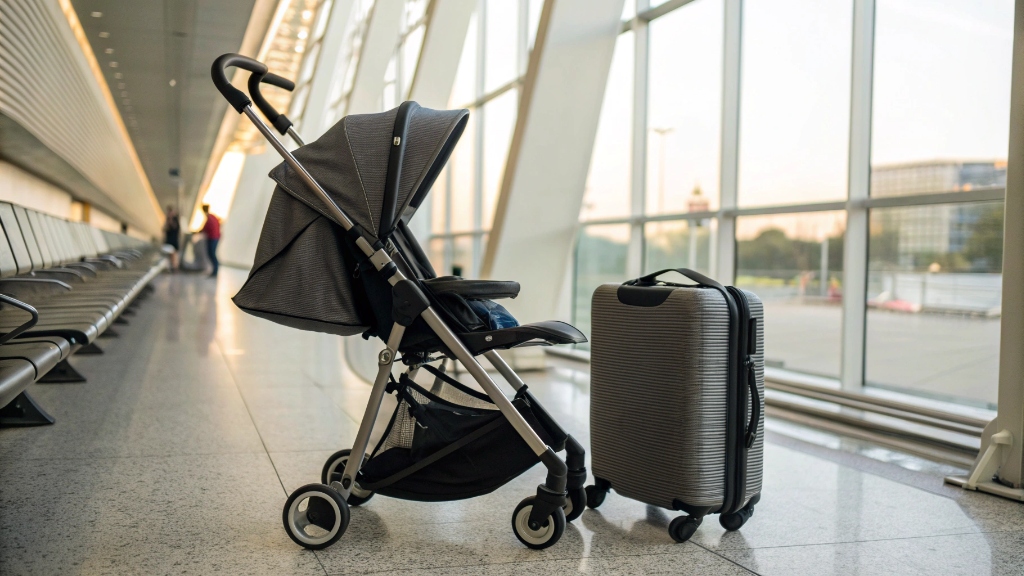
What Happens to Strollers During Gate Check and Why Damage Is Common?
Many buyers underestimate gate-check risk because it feels “special” and safe.
It is not.
From what I’ve seen in logistics and personal travel:
- Gate-checked strollers still go into cargo holds
- They are loaded late and unloaded fast
- No protective carton
- No structural support
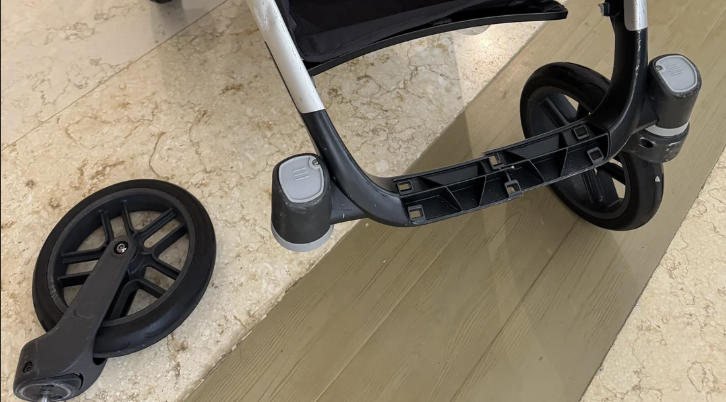
This is why damage patterns repeat:
- Bent frames
- Broken folding locks
- Twisted wheels
- Torn fabric
Factories often design strollers to survive cartons, not bare handling.
That creates a mismatch.
| Handling Stage | Design Weakness Exposed |
|---|---|
| Lifting | Lock strength |
| Stacking | Frame torsion |
| Sliding | Wheel alignment |
For buyers, this leads to:
- Returns after travel use
- “Arrived broken” complaints
- Brand reputation damage
This is why I always evaluate:
- Folding lock durability
- Frame recovery after impact
- Wheel alignment tolerance
If you are reviewing structure risks, this connects directly with
👉 How to Evaluate Stroller Frame Strength and Stability
Should Buyers Design or Source Strollers Specifically for Air Travel?
In my opinion, yes—but with discipline.
Travel strollers are not just lighter versions of standard models.
They require different priorities:
- Compact fold first
- Lock redundancy
- Fewer protruding parts
What factories often hide:
- Cost cutting by thinner tubes
- Removing secondary locks
- Lower fatigue testing
That passes basic tests but fails in travel reality.
For buyers, the right approach is:
- Treat travel use as a high-risk scenario
- Add internal drop and vibration tests
- Train customer service on airline expectations
| Design Choice | Travel Impact |
|---|---|
| Dual lock | Prevent collapse |
| Smaller wheels | Less bending |
| Reinforced joints | Survive handling |
This also reduces post-launch returns, which I discuss in detail here
👉 How to Reduce Stroller Returns After Launch
How We Actually Help Buyers Reduce Airline-Related Stroller Claims
At Anhui Windmill, we don’t design strollers “for airlines”.
We design them for reality.
In practice, we:
- Test folding systems repeatedly
- Review airline damage cases with factories
- Adjust lock and frame points early
- Help buyers write honest usage guidance
We do this because airline-related damage is one of the fastest ways to lose buyer trust.
Conclusion
Airline stroller policy is not just a travel question.
It is a product risk question.
When buyers understand how airlines actually handle strollers,
they make better sourcing and design decisions.
That protects parents, brands, and long-term sales.
Article edited by Sherry on January 17, 2026
This article is part of our Baby Stroller Safety & Selection Hub, where I explain how buyers can reduce risk and avoid recalls.